Travel Tips
Everest Base Camp Trek: Best Season Guide
A season-by-season breakdown of when to trek to Everest Base Camp — peak season crowds, spring climbing windows, monsoon challenges, and the cold beauty of winter.
Overview
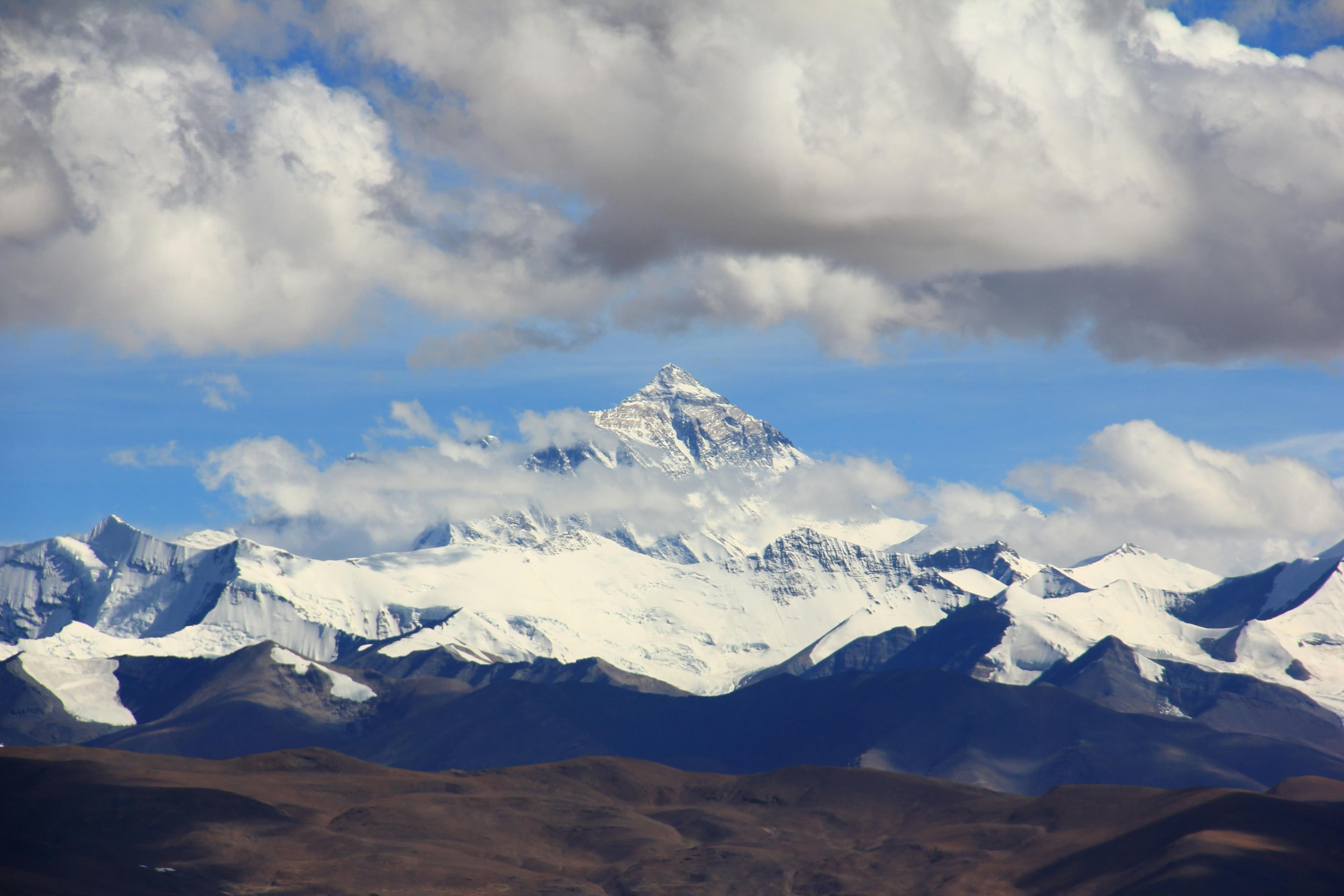
The Everest Base Camp trek is one of the world's most iconic walks, taking trekkers through the Sherpa heartland of the Khumbu region to the foot of the world's highest mountain at 5,364 m. Season matters enormously on this route. Weather windows, lodge availability, crowd levels, and mountain visibility vary dramatically across the year. Understanding when to go determines whether you experience the Khumbu at its best or struggle through difficult conditions.
Autumn (October–November) — The Gold Standard
October is the best month to trek to Everest Base Camp. The monsoon departs, leaving the atmosphere exceptionally clear. The Khumbu peaks — Ama Dablam, Lhotse, Nuptse, and Everest itself — stand in perfect definition against deep blue skies. Trail conditions are dry and stable. Temperatures at Base Camp drop to -10 to -15°C overnight but are manageable in the daytime with proper gear.
The downside is crowds. October sees the highest concentration of trekkers on the EBC trail. Namche Bazaar fills to capacity on weekends. Lodges in Dingboche and Gorak Shep book out months in advance. Book accommodation and Lukla flights three to four months ahead for October.
November offers similar conditions with thinning crowds and colder temperatures. The Khumbu Glacier can freeze, creating icy sections on the trail above 5,000 m.
Planning this trip? 🎒
Don't stress about transport or guides. Sajilo offers verified cabs, luxury tourist buses, and expert guides across Nepal.
Spring (March–May) — Climbing Season Window
Spring is the primary window for Everest summit attempts. From mid-April, the South Col route above Base Camp is busy with expeditions from dozens of countries. For trekkers, this means an extraordinary spectacle at Base Camp — a city of expedition tents, Puja ceremonies, ice doctors fixing ladders on the Khumbu Icefall, and the palpable energy of major climbing objectives being pursued.
Trekking conditions in spring are excellent in March and April. Pre-monsoon haze builds in May, reducing visibility. Morning clarity is still good but afternoon clouds develop earlier than in autumn.
Book spring Lukla flights and lodges two to three months in advance. March has more availability than April.
Monsoon (June–September) — Not Recommended
Monsoon trekking on the EBC route is strongly discouraged for most trekkers. The Khumbu receives less rainfall than lower Nepal — it sits in a partial rain shadow — but still sees enough cloud and intermittent rain to eliminate mountain views for most of each day. Trails become slippery. Lukla flights face frequent cancellations and diversions. The spectacular scenery that makes EBC worth trekking is largely invisible from June through August.
Winter (December–February) — For Serious Trekkers
Winter EBC is a genuine challenge. Temperatures at Gorak Shep (5,170 m) can fall to -25°C overnight. Most lodges above Namche Bazaar either close entirely or operate with minimal heating and reduced menus. The trail between Lobuche and Gorak Shep can accumulate deep snow.
However, winter offers absolute solitude. The trail is virtually empty. Sunrise views from Kala Patthar on a clear winter morning are among the finest mountain panoramas on earth. For experienced cold-weather trekkers with proper gear, winter EBC is a profound experience.
FAQ
Q: How long does the EBC trek take?
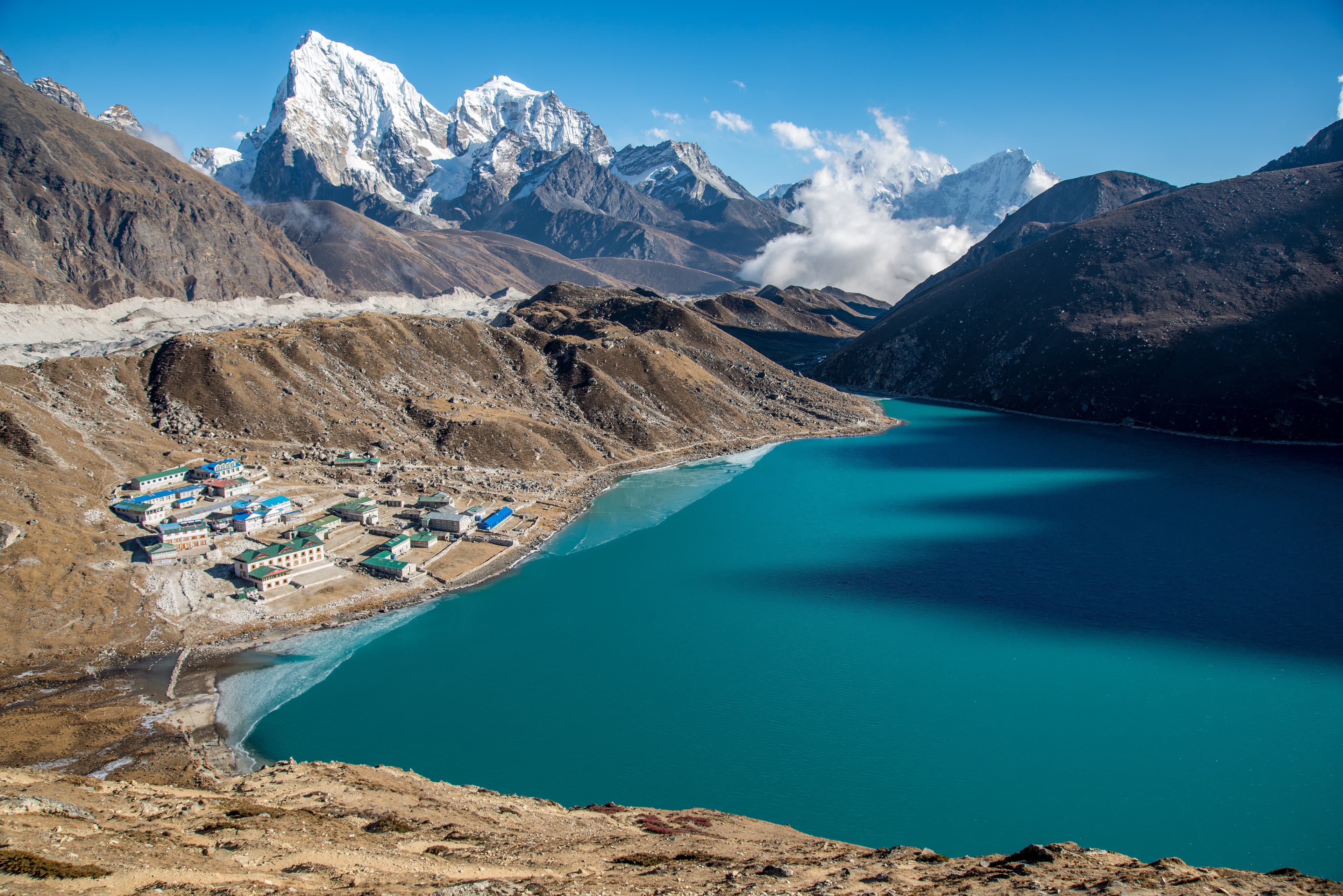
The standard EBC trek takes 12–14 days from Lukla to Base Camp and back. Adding Kala Patthar (recommended — the best Everest viewpoint) adds half a day. Adding Gokyo Lakes as an extension creates a 3-week itinerary via the Cho La pass.
Q: Do I need a guide to trek EBC?
EBC is one of Nepal's well-marked, lodged routes. Independent trekking is permitted and common. However, guides provide significant value in navigation during bad weather, acclimatization advice, communication with local lodges, and emergency assistance. First-time high-altitude trekkers strongly benefit from a certified guide.