Travel Tips
Ethical Portrait Photography in Nepal
How to photograph local people respectfully and create meaningful portraits.
Overview
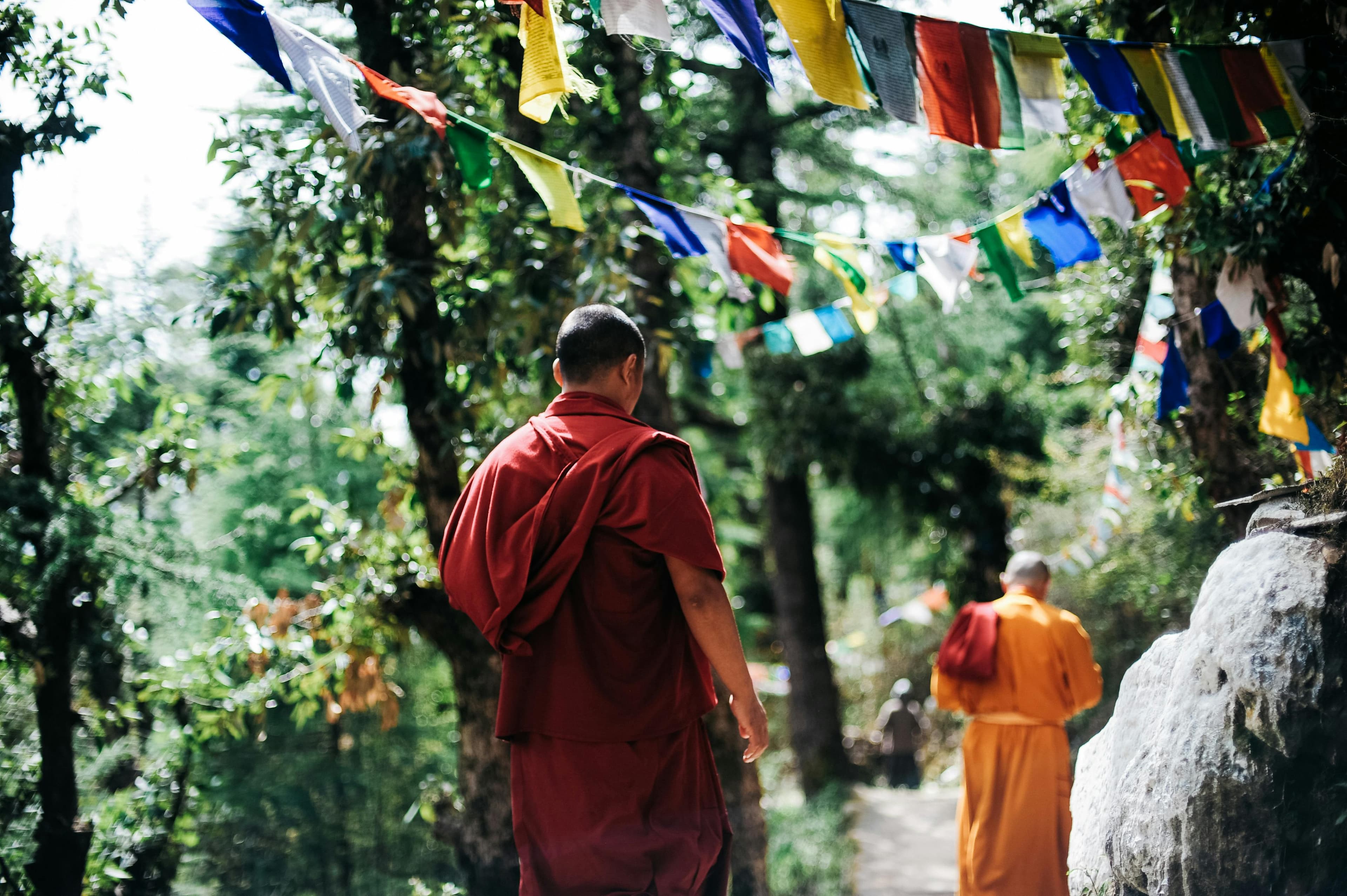
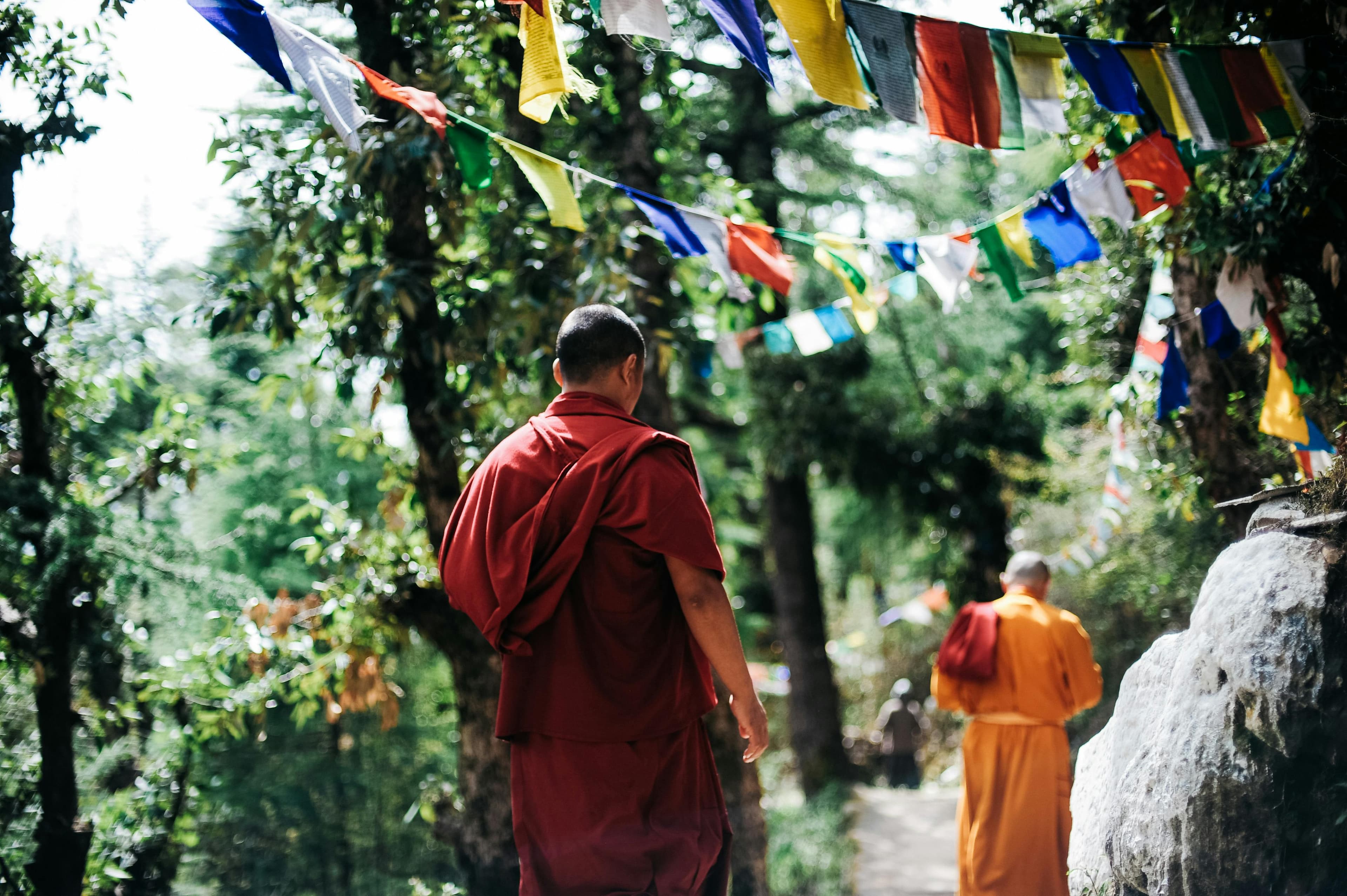
Nepal's diversity of faces — Sherpa, Tharu, Gurung, Tamang, Newar, Madhesi — makes it one of the richest countries on earth for portrait photography. But that richness comes with responsibility. Photographing people without consent, treating them as props, or distributing images without consideration of their dignity harms both communities and the broader culture of travel photography. The ethical approach is also, in practice, the approach that produces better photographs.
The Ask-First Principle
Learning three words of Nepali opens doors immediately. "Tasvir khichnu huncha?" ("May I take your photograph?") delivered with a smile is almost always met warmly. When someone declines, thank them and move on — no photograph is worth making someone uncomfortable. When someone agrees, show them the image on your screen afterwards. This small act of sharing creates genuine connection and often leads to a second, more relaxed portrait.
Avoid the Coin-for-Photo Economy
In tourist-heavy areas of Thamel, Boudhanath, and Pashupatinath, some individuals have learned to demand payment for photographs. This transactional model degrades the interaction for everyone. If you want to show appreciation, buy something from their stall or hire them as a guide rather than handing over a coin in exchange for a portrait.
Working in Communities
If you plan to spend extended time in a village, introduce yourself to the ward chair or local school teacher first. Community gatekeepers who understand your intentions will help you gain organic access to daily life. Villages in the Mustang and Dolpo regions in particular have seen photography tourism before — residents appreciate photographers who contribute to the community (a small donation to the school, helping carry supplies) over those who simply take images and leave.
Planning this trip? 🎒
Don't stress about transport or guides. Sajilo offers verified cabs, luxury tourist buses, and expert guides across Nepal.
Post-Production and Sharing
Ask yourself before publishing a portrait: would this person be comfortable seeing themselves represented this way to a global audience? Avoid captions that exoticise or reduce subjects to their poverty. If you intend to sell an image commercially, a signed model release — even a simple one on your phone — protects both parties.
FAQ
Q: Is photographing religious ceremonies appropriate?
Often yes, but follow local cues. At public festivals like Indra Jatra or Tihar, photography is expected and welcomed. Inside temples during private puja, cameras should stay away unless you receive explicit invitation from a priest.
Q: How should I handle photographing children?
Always secure parental consent. Never photograph children in vulnerable situations — begging, illness, distress. Images of children in these contexts, however well-intentioned, can perpetuate harmful narratives about Nepal and normalise the exploitation of minors.
Q: Should I share final images with my subjects?
Whenever possible, yes. Carry a small portable printer (Fujifilm Instax or Canon SELPHY) on longer trips. Leaving a printed portrait with a family is one of the most meaningful things a travel photographer can do.