
Travel Tips
Eco Lodges in Nepal: A Complete Guide
Nepal's eco lodge movement is growing fast, offering travellers genuine sustainability credentials alongside excellent hospitality in some of the country's most scenic landscapes.
What Makes a Genuine Eco Lodge?
In Nepal, the term eco lodge is used loosely. Genuine eco lodges share several characteristics: they are built with local materials using traditional techniques, they source food from nearby farms or their own kitchen gardens, they employ local staff, manage waste responsibly, run on renewable energy, and actively contribute to conservation or community development projects. Greenwashed operations may use the word without the substance — asking specific questions about energy, waste, and community links reveals the difference quickly.
Eco Lodges in the Everest Region
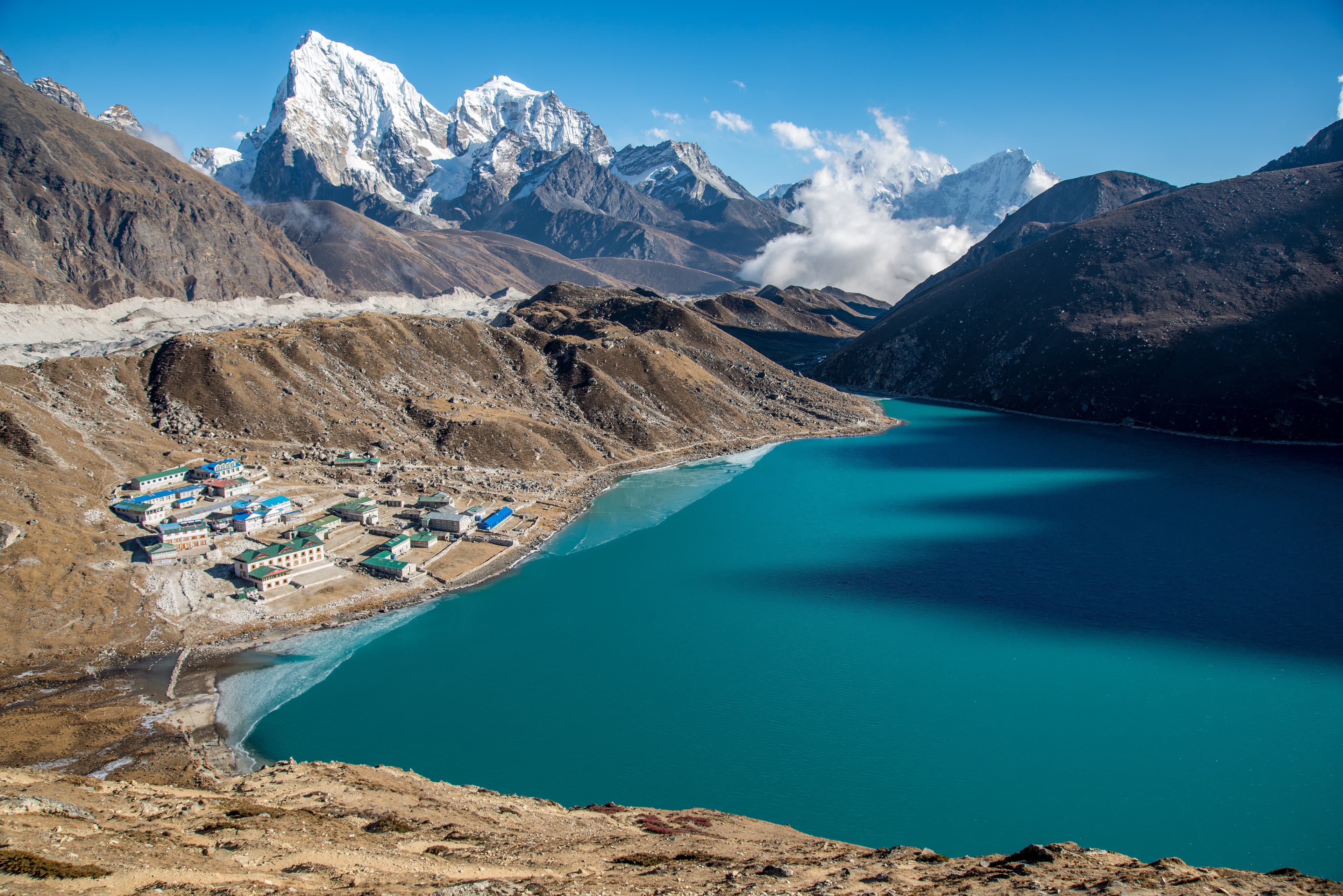
Several lodges on the Everest Base Camp trek have invested heavily in sustainability. Properties in the Phortse and Khumjung areas stand out for community ownership models that return profits to village schools and health posts. Solar panels and small micro-hydro systems provide electricity. Locally grown buckwheat and barley supplement imported supplies. Staying at these lodges meaningfully supports the Sherpa communities that sustain the entire Everest trek economy.
Eco Lodges in the Annapurna Region
The Annapurna Conservation Area Programme has encouraged lodge owners across the circuit to adopt waste management and energy efficiency standards. Several lodges above Manang and on the Poon Hill circuit have installed solar water heaters, biogas digesters that convert kitchen waste into cooking fuel, and composting systems. Community-managed lodges in villages like Ghandruk and Chomrong are among the best examples on this circuit.
Terai Eco Lodges
Chitwan and Bardia have produced Nepal's most sophisticated eco lodge operations. Lodges in buffer zones around both national parks typically operate under community forestry agreements, employ local naturalists, and run environmental education programmes for village children. Waste is sorted and managed, plastic water bottles are replaced with filtered water stations, and kitchen gardens supply much of the fresh produce.
Planning this trip? 🎒
Don't stress about transport or guides. Sajilo offers verified cabs, luxury tourist buses, and expert guides across Nepal.
Why Eco Stays Matter in Nepal
Nepal's trekking and wildlife tourism generates large amounts of plastic waste, puts pressure on forests for firewood, and channels most economic benefit to Kathmandu-based agencies rather than mountain communities. Choosing a genuine eco lodge shifts revenue toward the people who live alongside the landscapes you come to see. It also reduces your environmental footprint at a time when glacial retreat and deforestation are visibly accelerating.
Questions to Ask Before Booking
How is electricity generated? How is wastewater managed? Where does the food come from? How many local villagers are employed? Does the lodge contribute to any conservation fund? Clear, specific answers to these questions indicate a genuine operation.
FAQ
Are eco lodges more expensive than regular teahouses?
Not necessarily at the basic level. Community-managed lodges on major trekking routes often charge the same as conventional teahouses. Purpose-built premium eco lodges in Chitwan and Bardia cost more but are competitive with non-eco jungle lodges in the same area.
What is the most eco-friendly trekking route?
Routes in the Annapurna Conservation Area and Sagarmatha National Park operate under established conservation frameworks. Trekkers on these routes already pay conservation entry fees that fund trail maintenance and community projects.