Travel Tips
Everest Base Camp Teahouse Guide: What to Expect
The EBC trek's teahouse network has evolved dramatically — from basic shelters to solar-heated rooms with attached bathrooms at key stops. This guide sets realistic expectations and highlights the standout lodges on each stage.
The teahouse network between Lukla and Everest Base Camp is the world's most famous trekking accommodation system. Understanding how it works — and what you are actually paying for — removes the biggest source of first-timer frustration.
How Teahouses Work
Teahouses are family-run lodge-restaurants providing accommodation, meals, and a social space for trekkers. The unwritten rule on the EBC trail: room rates are low (often NPR 500–800 per night) because teahouses earn primary income through food and drink sales. Eating exclusively at your teahouse is the expected practice. Ordering only breakfast and using the communal dining area for evenings at another establishment is generally considered poor form.
Quality by Altitude
Lukla to Namche Bazaar (2,840m–3,440m): The most developed lower section. Phakding has several well-run lodges with hot showers. Namche is Khumbu's largest settlement — lodge quality here matches a decent Kathmandu guesthouse, with Wi-Fi, ATMs, bakeries, and multiple dining options. The acclimatisation day in Namche allows time to explore and choose carefully.
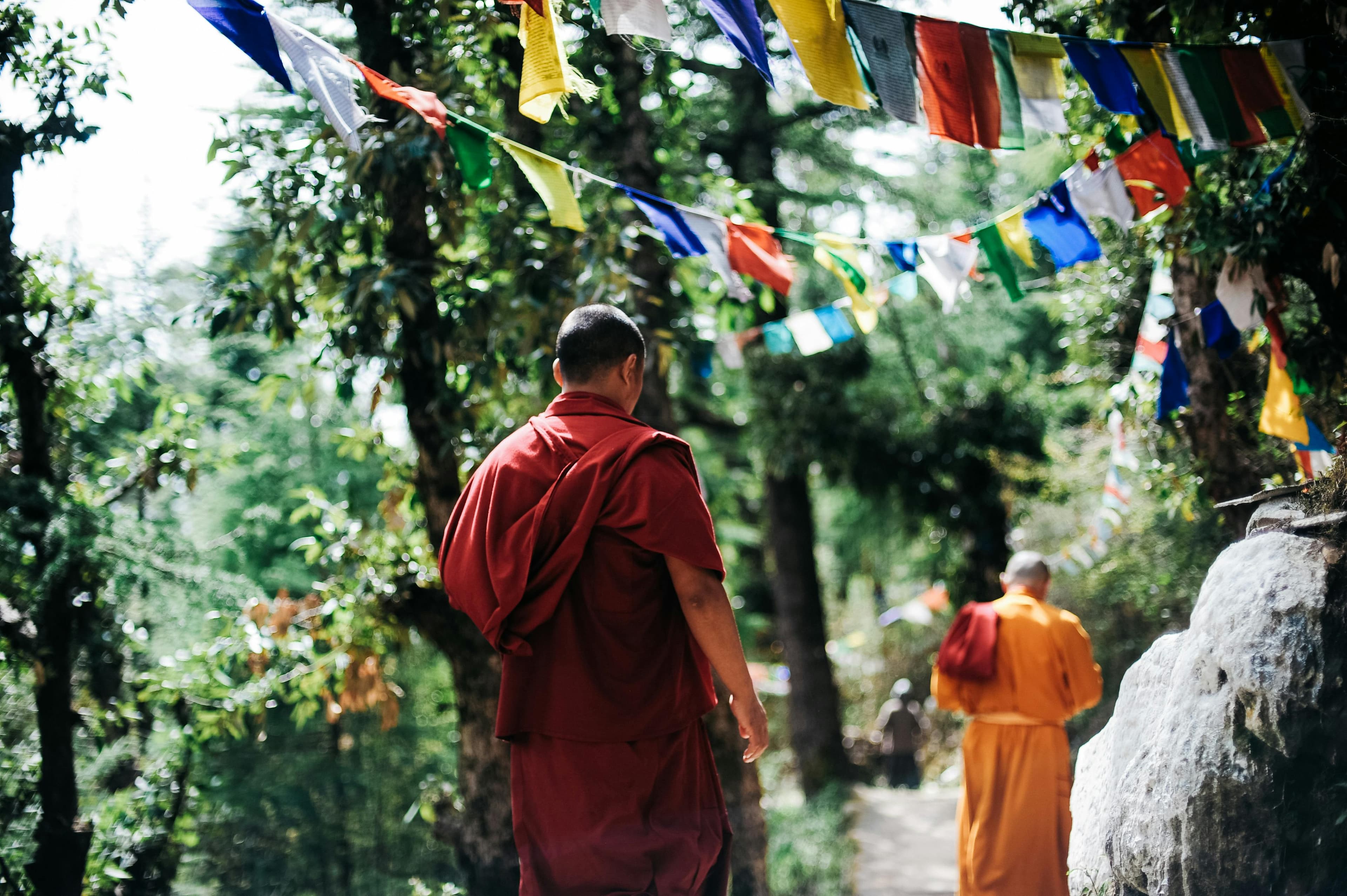
Namche to Tengboche (3,440m–3,860m): Phortse Tenga and Tengboche village have smaller, simpler lodges. Tengboche Monastery's guesthouse offers the most atmospheric stay on the entire route — rooms are basic but waking to monastery prayer horns at dawn is unforgettable.
Planning this trip? 🎒
Don't stress about transport or guides. Sajilo offers verified cabs, luxury tourist buses, and expert guides across Nepal.
Tengboche to Dingboche (3,860m–4,410m): Dingboche has expanded significantly with solar-heated lodges, charging facilities, and a few properties with attached bathrooms. The Himalayan Hotel and Yak Hotel are consistently well-reviewed. Book the sunny south-facing rooms for afternoon mountain light.
Dingboche to Lobuche (4,410m–4,940m): Lobuche is functional, not comfortable. Basic rooms in wooden-walled lodges, communal toilets, and thick yak blankets are the standard. The altitude and cold make comfort less achievable — focus on warmth and hydration.
Lobuche to Gorakshep (4,940m–5,164m): Gorakshep lodges are the highest permanent accommodation on the route. Heating is minimal. Expect cold nights regardless of season. The Yeti Lodge and Khumbu Lodge are the main options — both adequate for the one or two nights required. Carry a sleeping bag rated to -15°C.
Key Tips
Book ahead from Namche: Below Namche, walk-in availability is fine year-round. Above Namche in October–November, key stops fill by mid-afternoon. Ask your guide to phone ahead each morning.
Wi-Fi above Namche: Available at most teahouses via Everest Link cards (NPR 500–1,000 for 24-hour access). Speed is slow and inconsistent above Dingboche.
Charging: Solar charging is available at most teahouses but at a cost (NPR 300–500 per device). Carry a power bank from Kathmandu.
Showers: Hot showers (usually solar-heated bucket system) are available at most teahouses up to Dingboche. Above Dingboche they become sporadic and the cold makes them impractical anyway.
FAQ
Can I pre-book teahouses on the EBC route? Yes, but most trekkers use a guide who handles daily bookings by phone. Direct online booking is possible for a handful of properties in Namche.
Are teahouses safe for solo female trekkers? Generally yes — the trail is well-travelled and teahouses host mixed groups. Standard traveller awareness applies.
What do teahouse meals cost? Budget NPR 500–1,200 per meal above Namche. Dal bhat (rice and lentil set meal) is the best value and most nutritious option on the trail.