Travel Tips
Camera Gear for Nepal Himalaya
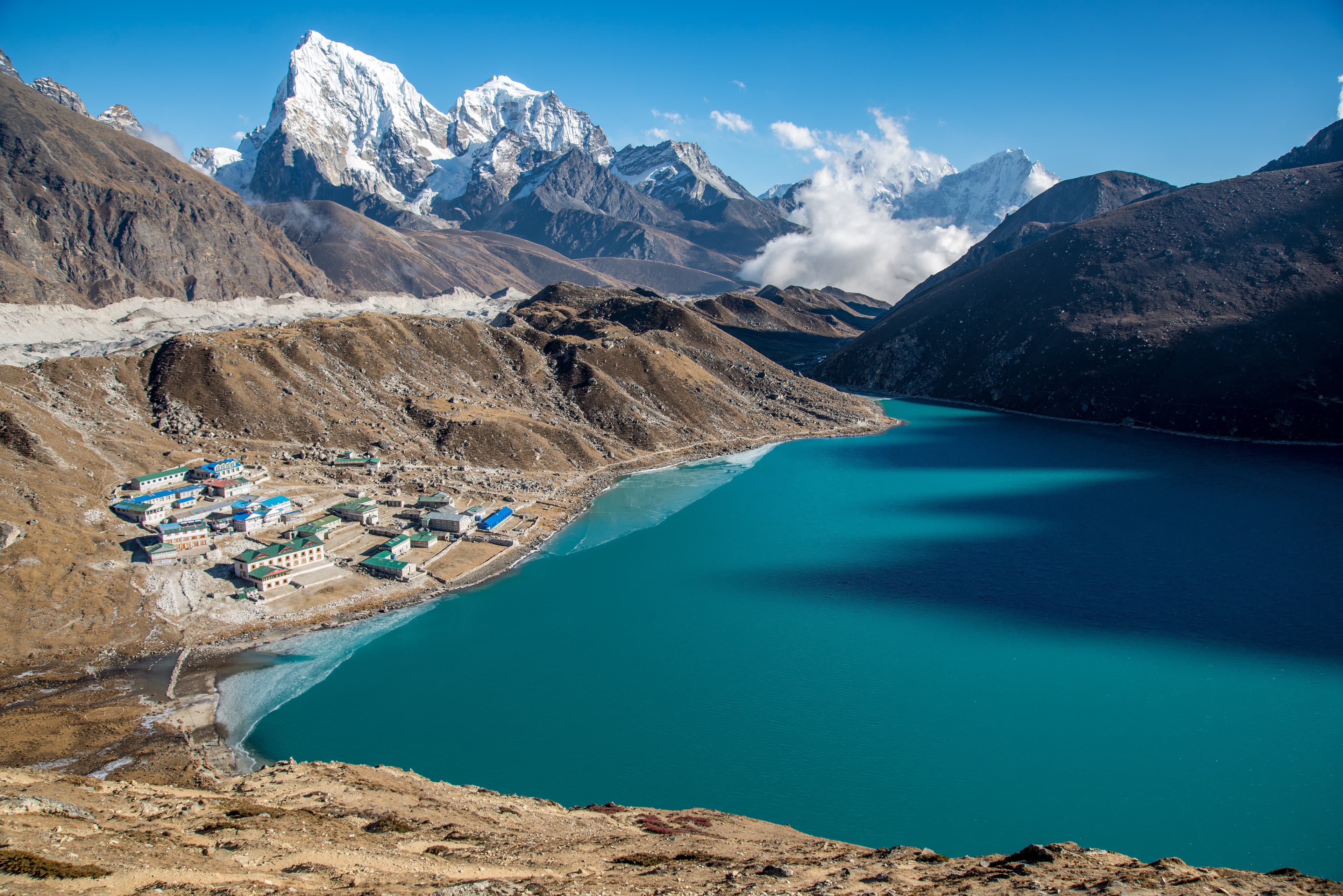
Nepal offers some of the most photogenic landscapes on earth. The right camera system captures them without destroying your knees under a heavy pack.
The Weight vs Quality Trade-Off
Nepal trekking imposes a clear penalty for every extra kilogram carried. Camera systems range from a 150-gram phone to a 3-kilogram DSLR-plus-lens setup. The decision depends honestly on how central photography is to your trek versus how much the extra weight will affect your experience across 10-20 hiking days.
For most trekkers, a mirrorless camera system with one or two lenses represents the optimal balance. Modern APS-C mirrorless bodies (Sony a6700, Fujifilm X-S20, Canon R50) deliver image quality that exceeds any DSLR from ten years ago at 400-600 grams body weight. Add a standard zoom (18-55mm equivalent) at 200 grams and a telephoto zoom (55-210mm equivalent) for mountain close-ups at 300 grams, and the complete system weighs under 1.2 kilograms — manageable in a day pack.
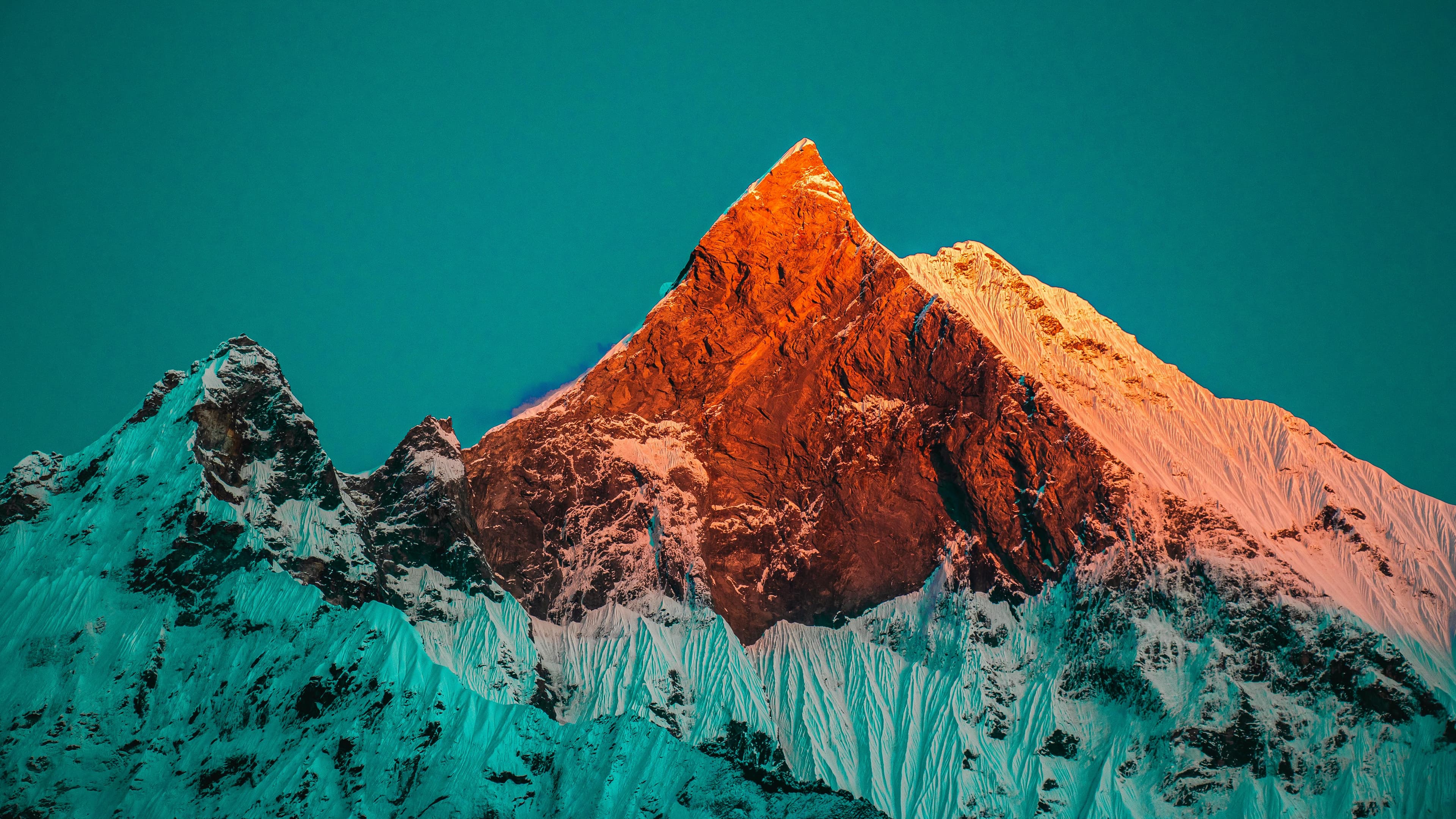
Full-frame mirrorless (Sony A7 series, Nikon Z6, Canon R6) deliver superior image quality for professional or serious amateur photographers willing to manage 700-900 grams body weight plus heavier lenses. The Himalayan light conditions — golden sunrise on Ama Dablam, evening alpenglow on the Annapurna massif — reward full-frame dynamic range capabilities.
Lens Selection for Nepal
A single versatile zoom (24-70mm full frame equivalent) covers teahouse interior shots, portrait photography, and medium landscape compositions. Add a telephoto (70-200mm equivalent) for mountain detail work and wildlife photography in lower elevations (Rhododendron forests, bird-rich Langtang Valley). A wide-angle (16-24mm) is useful for interior shots in narrow teahouse dining rooms and capturing sky-spanning panoramas.
Planning this trip? 🎒
Don't stress about transport or guides. Sajilo offers verified cabs, luxury tourist buses, and expert guides across Nepal.
Prime lenses are impractical for trekking unless you commit to a single focal length — the need to zoom with your feet in rugged mountain terrain makes zooms significantly more useful.
Weather Protection
Nepal's afternoon thunderstorms and river crossing mist create camera-damaging moisture. Carry your camera in a padded waterproof bag or a camera-specific rain cover. A lens hood is standard — it also provides some rain protection for the front element. Silica gel packets stored in your camera bag prevent fungal growth inside lens barrels during monsoon-adjacent humidity.
Cold temperatures above 4,000 metres drain batteries faster than at sea level. Carry two to three batteries per camera body and store one inside your jacket against body warmth during shooting sessions in cold conditions.
Alternatives to Dedicated Cameras
Smartphone cameras have reached a standard that satisfies many trekkers. The iPhone 16 Pro and Samsung Galaxy S25 Ultra produce excellent results in daylight and good results in low light — with the advantage of GPS geotagging, immediate social sharing, and the ability to upload via teahouse WiFi. The primary limitation is optical zoom quality above 10x and low-light performance compared to dedicated sensors.
GoPro and similar action cameras are ideal for Sajilo vehicle journeys on mountain roads, river crossings, and suspension bridge walks — situations where a mirrorless camera would be stowed safely.
FAQ
Q: Where can I charge camera batteries on the trek?
A: Most teahouses charge a fee (100-300 NPR) for device charging from their generator or solar system. Above 4,500 metres, charging options become unreliable. Carry sufficient batteries for three to four days between reliable charging points.
Q: Is a drone worth bringing to Nepal?
A: Drone use in Nepal requires a permit from the Civil Aviation Authority of Nepal (CAAN) and is prohibited in national park areas and near airports. The permit process is slow and uncertain. Most trekkers leave drones at home.
Q: Can I get camera repairs done in Kathmandu?
A: Kathmandu has camera repair shops in the New Road area capable of handling basic issues. Complex sensor or lens damage requires sending equipment abroad. Protect your gear carefully.