Travel Tips
Buddhist Meditation Kopan Monastery
Kopan Monastery above Kathmandu Valley has hosted international Buddhist meditation courses since 1971. Learn what to expect from this iconic Tibetan Buddhist retreat centre.
A Brief History of Kopan
Kopan Monastery was established in 1969 by Lamas Thubten Yeshe and Thubten Zopa Rinpoche on a hill north of Boudhanath, overlooking the Kathmandu Valley. In 1971, they offered the first month-long meditation course open to Westerners — a milestone that introduced Tibetan Buddhism to a generation of seekers. The Monastery is now part of the Foundation for the Preservation of the Mahayana Tradition (FPMT), a global network of Buddhist centres.
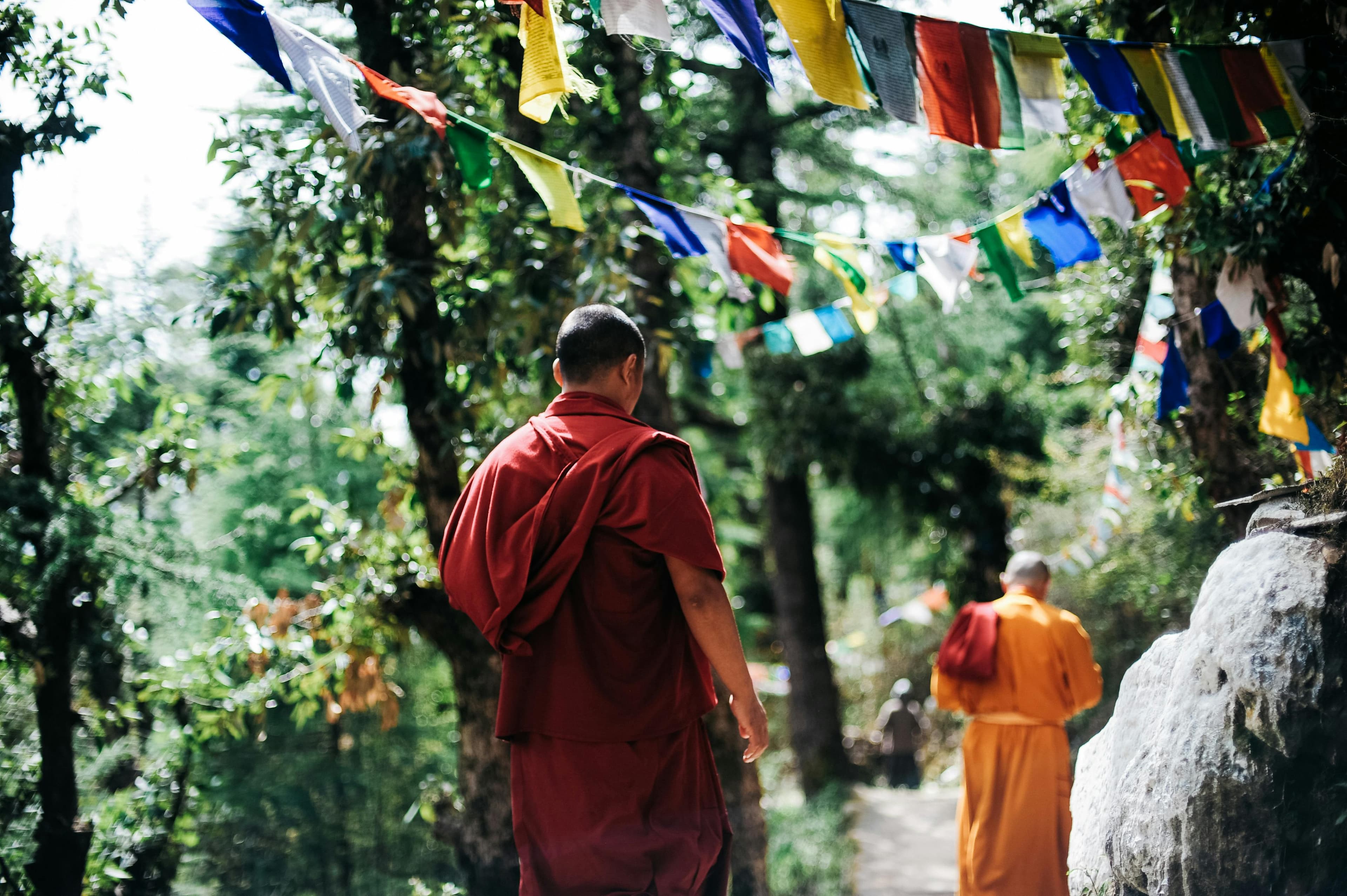
Today Kopan is home to around three hundred monks and nuns from Nepal, Tibet, and neighbouring regions. The monastery complex includes a large ornate Gompa (assembly hall), monks' residences, the Kopan Nunnery adjacent to the main campus, a library, a bookshop, and retreat accommodation for lay visitors.
Courses and Retreats
The November Kopan Course is the most famous and longest-running programme: a month-long residential exploration of Buddhist philosophy and meditation drawing students from dozens of countries. It covers the Lam Rim (Stages of the Path to Enlightenment), analytical and stabilising meditation, and basic Tibetan Buddhist concepts including impermanence, karma, emptiness, and bodhicitta. Applications open months in advance and fill quickly.
One-week and Weekend Meditation Courses run throughout the year and provide an accessible introduction to Tibetan Buddhist meditation. These include guided sessions, teachings, and time for individual practice on the monastery grounds.
Planning this trip? 🎒
Don't stress about transport or guides. Sajilo offers verified cabs, luxury tourist buses, and expert guides across Nepal.
Individual Retreat space is available for those who want self-directed quiet time in the monastery's peaceful environment. The library is open to retreat guests, and certain teachers are available for private interviews by appointment.
Meditation Practices Taught
Kopan's curriculum centres on Tibetan Gelug Buddhist practices: Shamatha (calm abiding) as the foundation, followed by Vipassana (insight) within the Mahayana context. Analytical meditation — using reasoning and reflection to examine the nature of the self, suffering, and reality — is a hallmark of the Gelug approach and distinguishes it from purely breath-focused traditions.
Specific practices introduced in introductory courses typically include: mindfulness of breathing, analytical meditations on impermanence and death, compassion (Tonglen), and dedication of merit. Mantra practice and visualisation are introduced gradually as students progress.
Practical Information
The monastery is located approximately a thirty-minute drive from Thamel, Kathmandu. Shared taxis and private vehicles are the practical options; public transport reaches Boudhanath, from which a short uphill walk or rickshaw ride brings you to the gate.
Accommodation at Kopan is simple — clean, shared or private rooms with basic furnishings. Meals are vegetarian Nepali and Western dishes served communally. The dress code is conservative: covered shoulders and knees are required on the monastery grounds.
What Makes Kopan Distinctive
Several things set Kopan apart from secular meditation centres. The living monastic community creates an atmosphere of genuine practice rather than spiritual tourism. The philosophical teachings are systematic and deep, offering a complete worldview rather than meditation techniques in isolation. And the setting — a forested hill with panoramic valley views, away from Kathmandu's noise — provides a genuine sense of refuge.
For those new to Tibetan Buddhism, the one-week introductory courses offer a respectful, welcoming entry point without requiring any prior commitment to Buddhism.
FAQ
Q: Do I need to be Buddhist to attend?
A: No. Courses are open to people of all backgrounds and beliefs. The teachings are philosophical and experiential, not evangelical.
Q: Can I visit Kopan without attending a course?
A: The monastery grounds are open to visitors during daytime hours. The bookshop and Gompa are accessible. Residential courses require formal booking.
Q: How far in advance should I book the November Course?
A: Applications typically open six months prior. The course fills within weeks of opening. Check kopanmonastery.com for current schedules.