Travel Tips
Boudhanath Complete Guide: Kathmandu's Great Stupa
Boudhanath is the largest stupa in Nepal and a living centre of Tibetan Buddhist culture. This complete guide covers entry, rituals, monasteries, and the best times to visit.
Overview
Boudhanath Stupa rises from the eastern edge of Kathmandu in a vast white dome topped by the all-seeing eyes of the Buddha. It is the largest stupa in Nepal and one of the most important Buddhist monuments in the world, listed as a UNESCO World Heritage Site. The stupa anchors a thriving Tibetan refugee community that arrived in Nepal after 1959 and has built dozens of monasteries, thangka workshops, and Buddhist institutes around its circumference. Pilgrims from Tibet, Nepal, Bhutan, and further afield circle the stupa continuously from dawn to dusk.
Getting There
Boudhanath is about seven kilometres northeast of Thamel. Taxis are the most comfortable option and take 20-30 minutes depending on traffic. Shared tempos run from Ratna Park in central Kathmandu for a fraction of the taxi fare. The stupa area has a large parking zone for those arriving by private vehicle.
The Kora
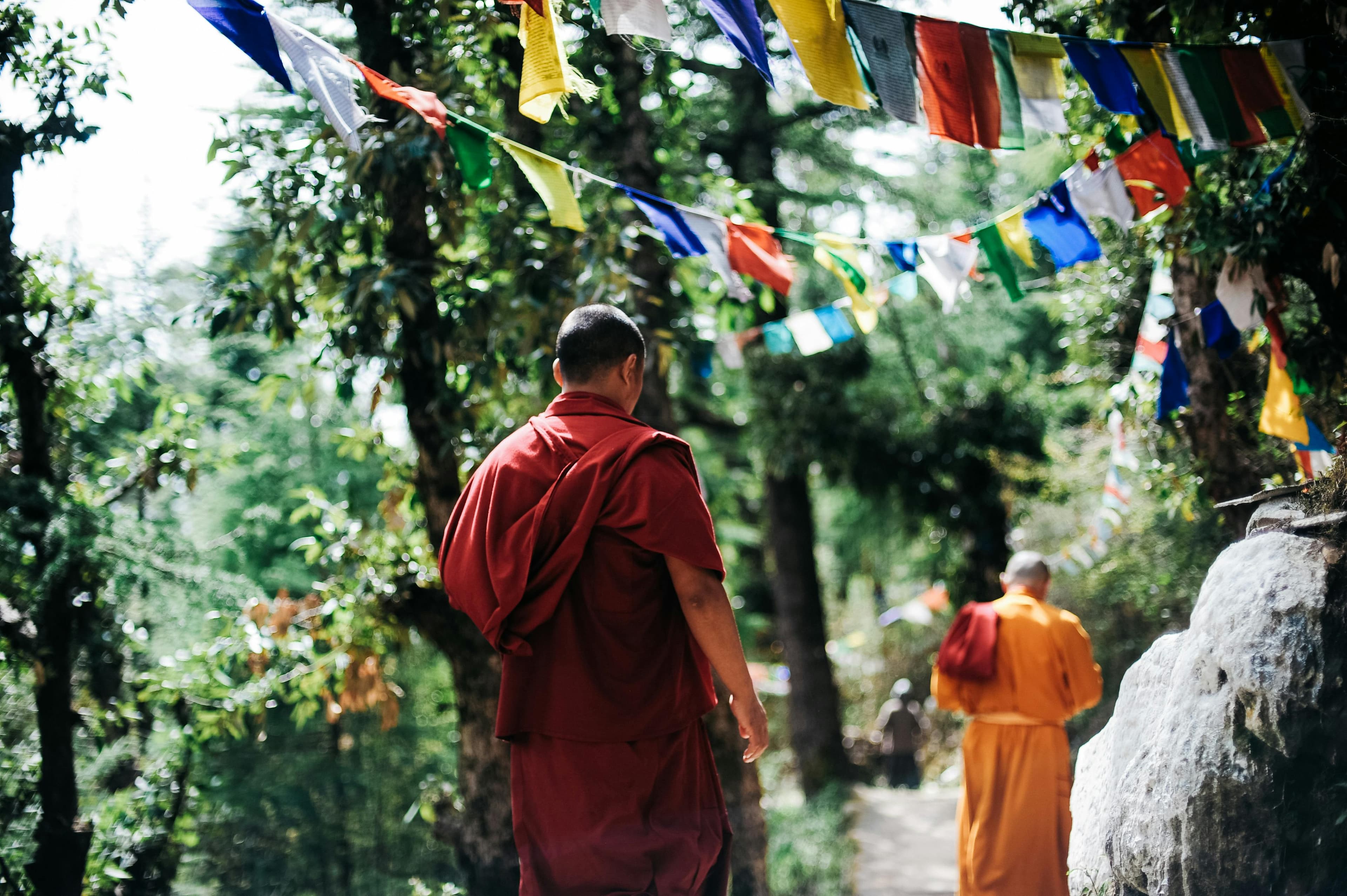
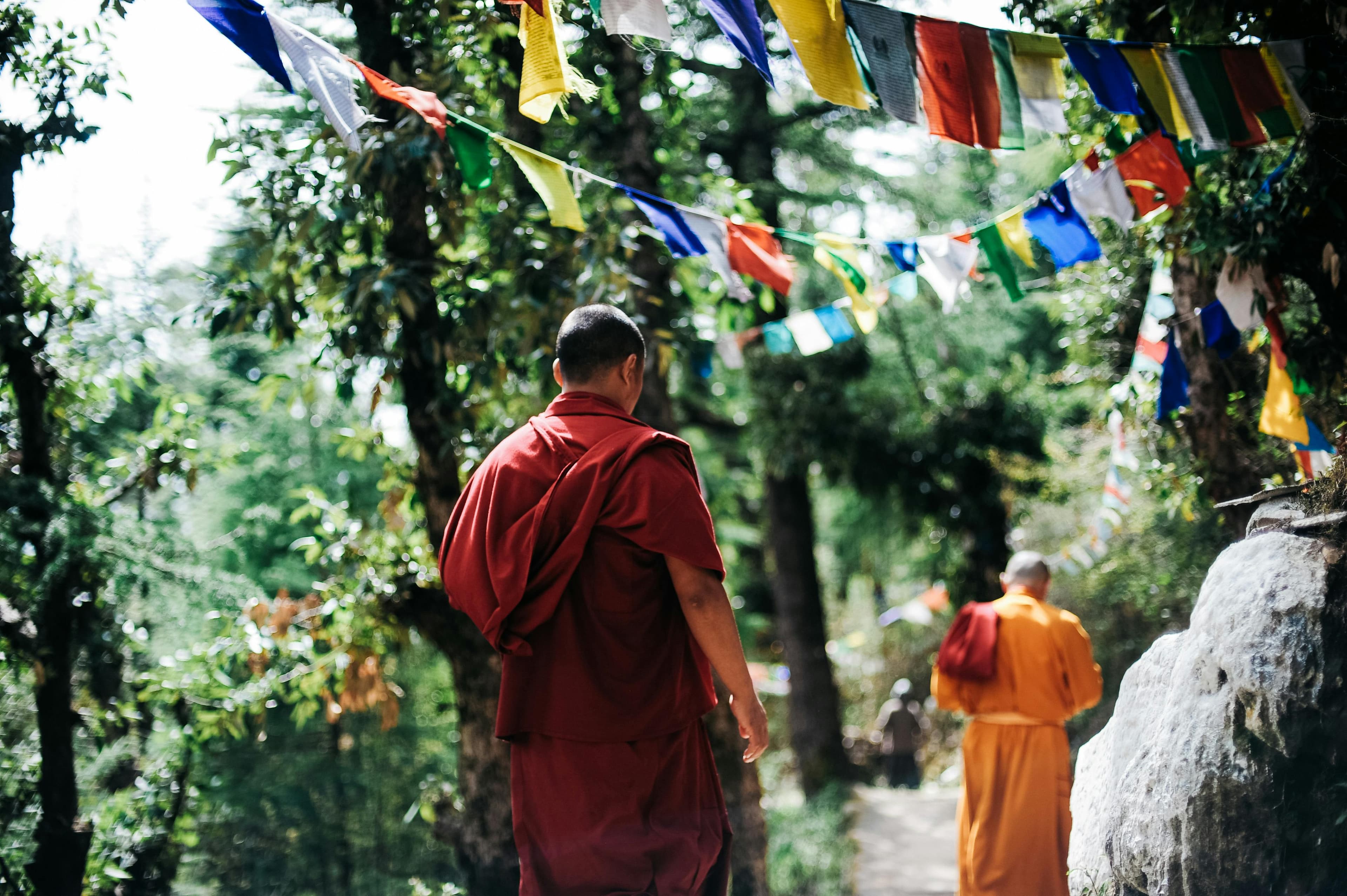
The kora (circumambulation) path around the base of the stupa is where the spiritual life of Boudhanath plays out. Walk clockwise, as pilgrims do. The path takes about five minutes per circuit at a relaxed pace. Spinning the rows of prayer wheels along the perimeter is considered meritorious. During the morning and evening hours the kora is thick with monks in maroon robes, elderly Tibetan pilgrims with rosaries, and visitors from every corner of the world.
The Monasteries
More than fifty monasteries surround Boudhanath. Many are open to respectful visitors. Kopan Monastery on the hill above the stupa offers regular meditation courses for foreigners. Shechen Monastery to the north of the stupa is architecturally outstanding and has a rooftop viewing area. Jamchen Lhakhang hosts regular puja sessions. Check notice boards around the stupa for current schedules and drop-in opportunities.
Planning this trip? 🎒
Don't stress about transport or guides. Sajilo offers verified cabs, luxury tourist buses, and expert guides across Nepal.
Entry and Hours
Entry to the stupa compound costs NPR 400 for foreign visitors. The gate opens early morning and closes in the evening. The rooftop of the stupa itself is accessible via a small fee at the steps on the south side and gives a close-up view of the gilded tower and eyes.
Eating and Shopping
The ring of rooftop restaurants around the stupa is excellent. The views improve as you eat and the food — Tibetan, Nepali, and international — is generally good quality. Thangka galleries around the stupa sell both hand-painted pieces and printed versions; ask the artist to explain the iconography. Singing bowls, malas, and incense are also widely available.
FAQ
What is the best time of day to visit Boudhanath?
Sunrise and dusk are the most atmospheric times. At dusk, butter lamps are lit throughout the complex and monks chant in the surrounding monasteries. Full moon evenings draw large crowds for special ceremonies.
Is Boudhanath suitable for children?
Yes. Children enjoy the scale of the stupa, the butter lamps, and the monks. The flat circumambulation path is easy for all ages.