Travel Tips
Best Time to Visit Nepal in 2026: Month-by-Month Guide
When is the best time to visit Nepal? Complete month-by-month breakdown of weather, crowds, festivals, and what to do in each season.
Nepal's appeal spans every month of the year -- but the experience you'll have in October is wildly different from what you'll find in July. The weather, the trails, the festivals, the prices, and even the mood of the country shift dramatically across seasons. This guide helps you find the window that best matches what you want from your Nepal trip.
The Four Seasons at a Glance
| Season | Months | Trekking | Crowds | Prices |
|---|---|---|---|---|
| Autumn | Oct–Nov | Excellent | High | Peak |
| Spring | Mar–May | Very Good | Medium-High | High |
| Monsoon | Jun–Sep | Difficult | Low | Budget |
| Winter | Dec–Feb | Possible (low altitude) | Low | Budget |
October–November: The Best Time to Visit Nepal
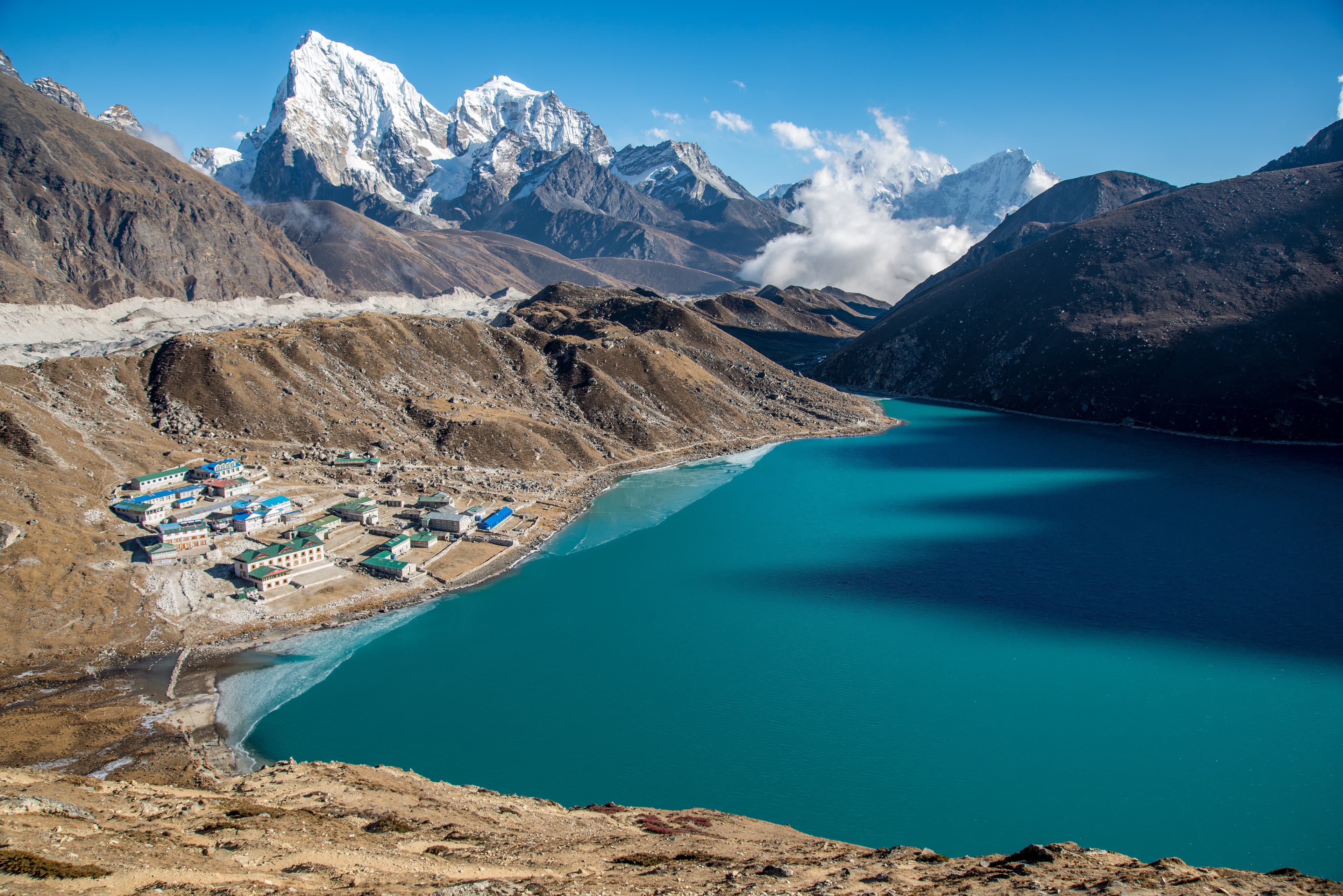
Autumn is Nepal's crown season. The monsoon has cleared the air of dust and haze, leaving crisp blue skies that showcase the Himalayas in sharp relief. Temperatures are comfortable at lower elevations (15–25°C in Kathmandu) and manageable on the trails. Every major trekking route is accessible.
Trekking: All routes open -- EBC, Annapurna Circuit, Langtang, Manaslu, and beyond.
Festivals: Dashain (Nepal's biggest festival, late September to October), followed by Tihar (Festival of Lights, October/November). These are spectacular cultural events with family gatherings, worship rituals, and illuminated streets.
Downside: Peak season. Popular tea houses on EBC and Annapurna Circuit fill up fast -- book accommodation in advance.
March–May: Spring Blooms and Himalayan Views
Spring is Nepal's second-best season and arguably the most beautiful. Rhododendron forests erupt in colour across the middle hills -- Nepal's national flower turns entire ridgelines red and pink. Temperatures warm up, making lower-altitude treks particularly pleasant.
Planning this trip? 🎒
Don't stress about transport or guides. Sajilo offers verified cabs, luxury tourist buses, and expert guides across Nepal.
Trekking: Excellent. EBC climbing expeditions happen during spring (April–May). Annapurna Circuit and Langtang are spectacular.
Festivals: Holi (Festival of Colours, March) is a joyful street celebration. Losar (Tibetan New Year, February/March) is celebrated in Sherpa and Tibetan communities.
Downside: Afternoon clouds build above 4,000m as the season progresses.
June–September: Monsoon Season
The monsoon arrives from the southeast in June and blankets Nepal in warm, heavy rain through September. Trails become muddy and leeches emerge on forested paths. This is not the time for high-altitude trekking.
The Mustang and Dolpo regions -- in the rain shadow north of the main Himalayan range -- remain dry and are actually best visited during monsoon.
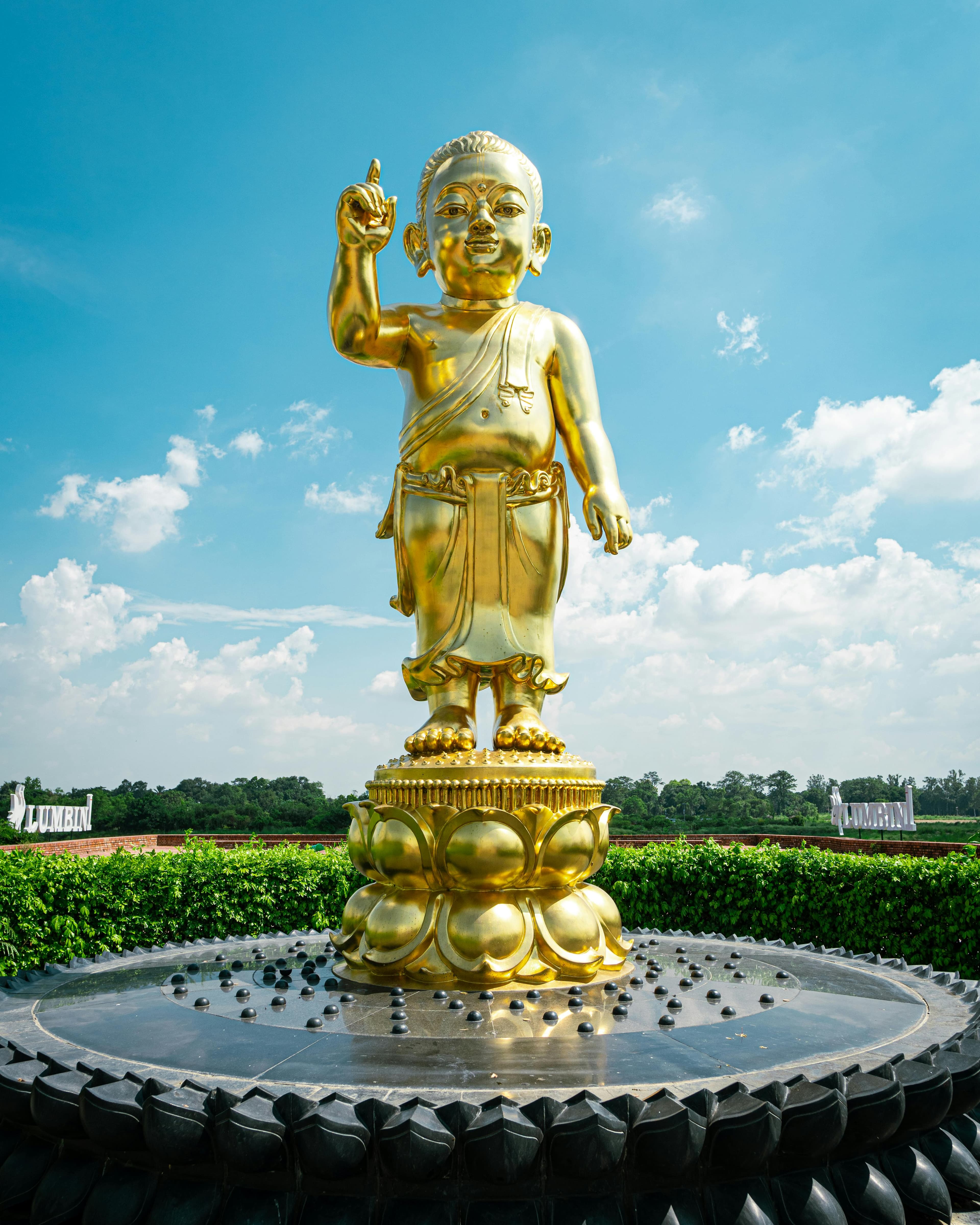
Best activities: Chitwan National Park (wildlife viewing is excellent), Lumbini (Buddhist pilgrimage site), Kathmandu cultural tours.
Downside: Landslides can block roads. Some flights to remote airstrips are grounded.
December–February: Winter Quiet
Winter brings cold, clear days to Nepal. Kathmandu can drop to 2–5°C overnight but is pleasant by midday. Snow closes the highest passes, making winter unsuitable for Thorong La and challenging above 4,000m on EBC.
However, winter is excellent for lower-altitude destinations. Chitwan and Pokhara are warm (15–20°C) and crowd-free. Cultural visits to Kathmandu, Bhaktapur, and Lumbini are delightful.
Trekking: Ghorepani Poon Hill, Langtang Valley below 3,900m, Tamang Heritage Trail -- all manageable. EBC is possible with the right gear but demanding.
Festivals: Maha Shivaratri (February/March, Pashupatinath) -- a massive Hindu pilgrimage festival.
Month-by-Month Quick Reference
| Month | Highlight | Avoid |
|---|---|---|
| January | Quiet Kathmandu, Pokhara sun | High-altitude trekking |
| February | Losar, Shivaratri, winter clarity | EBC above 4,000m |
| March | Holi, first rhododendrons | -- |
| April | Peak spring, full rhododendrons | Afternoon clouds at altitude |
| May | Spring trekking | Late May pre-monsoon heat |
| June | Mustang opens, monsoon arrives | Most trekking routes |
| July | Lush green Nepal | Landslides, trail trekking |
| August | Monsoon peak, Chitwan wildlife | Trekking above 3,000m |
| September | Monsoon ends, Indra Jatra | Early month unstable |
| October | PEAK -- best of everything | Nothing |
| November | PEAK -- clear views, Tihar | Popular spots fill fast |
| December | Off-peak, winter calm | High passes |
Transport Tips for Every Season
Sajilo operates year-round across Nepal's major cities for cab and bus bookings. During peak season (October and November), book your inter-city bus seats in advance through Sajilo's platform at sajilo.net/bus -- popular routes like Kathmandu to Pokhara fill up weeks ahead.
Frequently Asked Questions
Is Nepal safe during monsoon season?
Yes, for most activities. The risks are landslides on mountain roads and trail difficulty rather than personal safety. Stick to lower-altitude destinations and check road conditions before traveling.
What month is cheapest to visit Nepal?
June–August (monsoon) and December–February (winter) offer the lowest prices on accommodation and tours, often 30–40% cheaper than peak season.
Can I trek in Nepal in winter?
Yes -- lower-altitude treks below 3,500m are very manageable in winter. High passes like Thorong La are typically closed December–February. EBC is possible with serious cold-weather gear.
When is the best time to see Everest?
October–November offers the clearest views. March–May is second best. During monsoon, Everest is often hidden behind clouds for weeks at a time.
What festivals should I plan my trip around?
Dashain (October) and Tihar (October/November) are the most spectacular. Holi (March) is uniquely fun in Kathmandu and Pokhara. Indra Jatra (September, Kathmandu) is one of the most visually striking festivals in Asia.