Travel Tips
Best Photography Spots in Kathmandu
A guide to the most photogenic locations in Nepal's capital city.
Overview
Kathmandu is a photographer's dream. From ancient pagodas draped in prayer flags to chaotic street markets overflowing with colour, the city rewards patient eyes at every turn. The Durbar Squares of Kathmandu, Patan, and Bhaktapur are your anchors — each holds centuries of Newari architecture and daily rituals that unfold before sunrise.
Top Spots to Shoot
Swayambhunath stupa, perched on its hill west of the city, offers panoramic views of the valley at dawn. Arrive before 6 a.m. to catch soft golden light falling across the rooftops below. The stupa itself, with its watchful Buddha eyes, makes a striking foreground against a pink-orange sky.
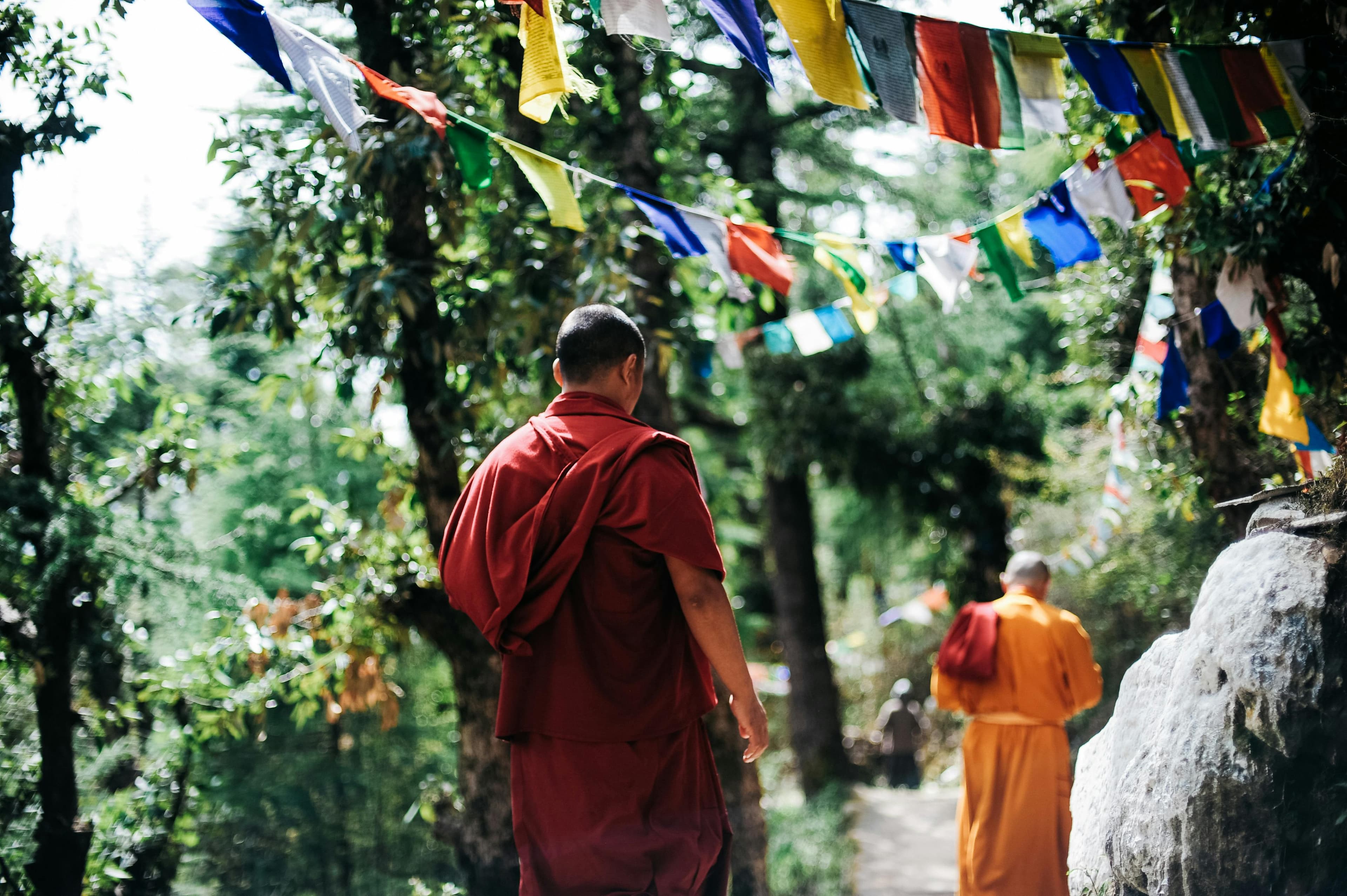
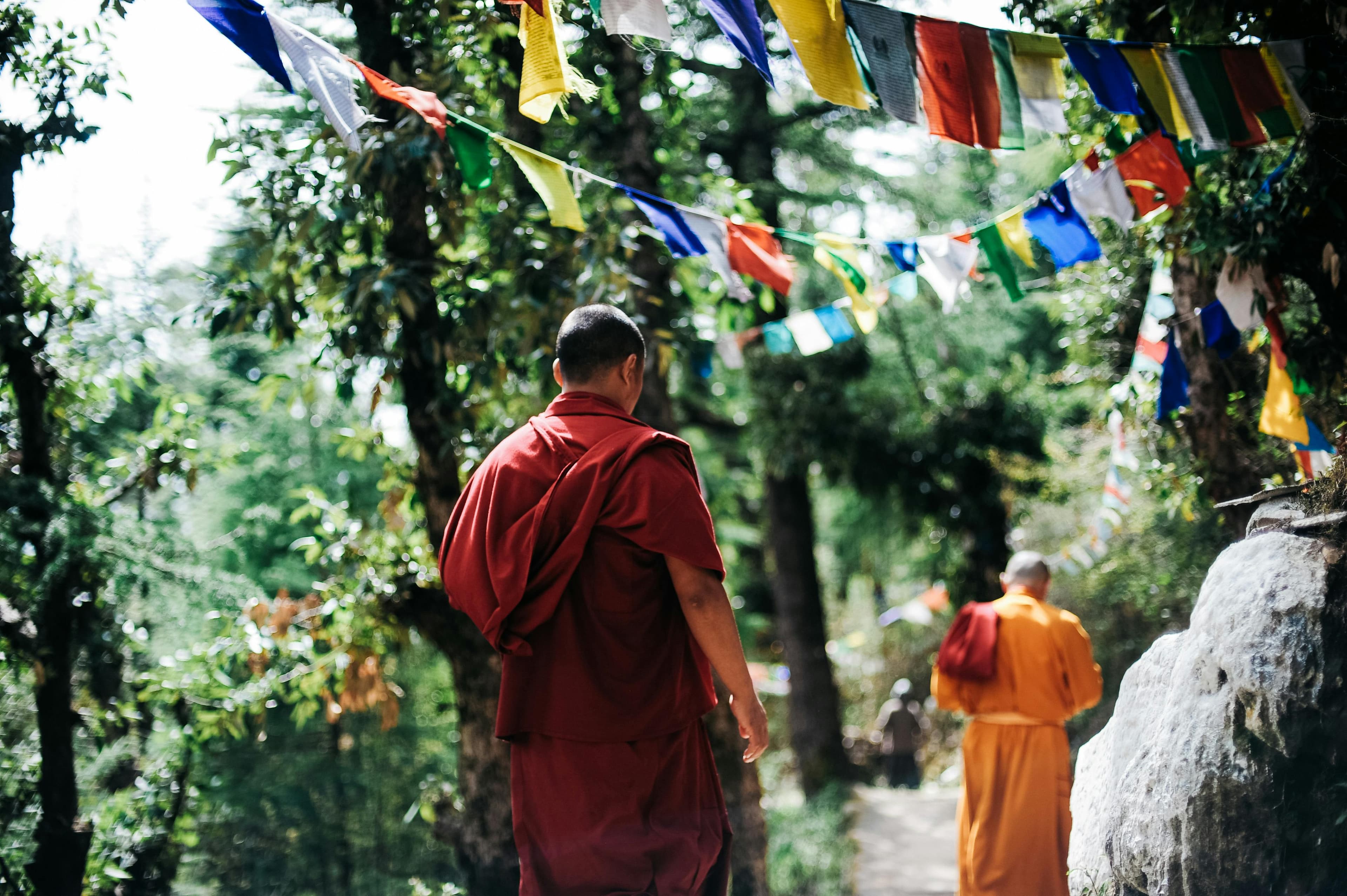
Boudhanath is best shot from a rooftop cafe on a circumambulation morning. Spin from above and you capture the mandala form of the stupa perfectly. On the ground, tight portrait shots of monks and pilgrims create powerful images.
Asan Tole market in the old city centre erupts with vendors by 8 a.m. Stalls piled with turmeric, lentils, and fresh vegetables produce rich colour contrast. A 35 mm or 50 mm prime lens is ideal here — you want to work close without a bulky zoom drawing attention.
Planning this trip? 🎒
Don't stress about transport or guides. Sajilo offers verified cabs, luxury tourist buses, and expert guides across Nepal.
Light and Timing
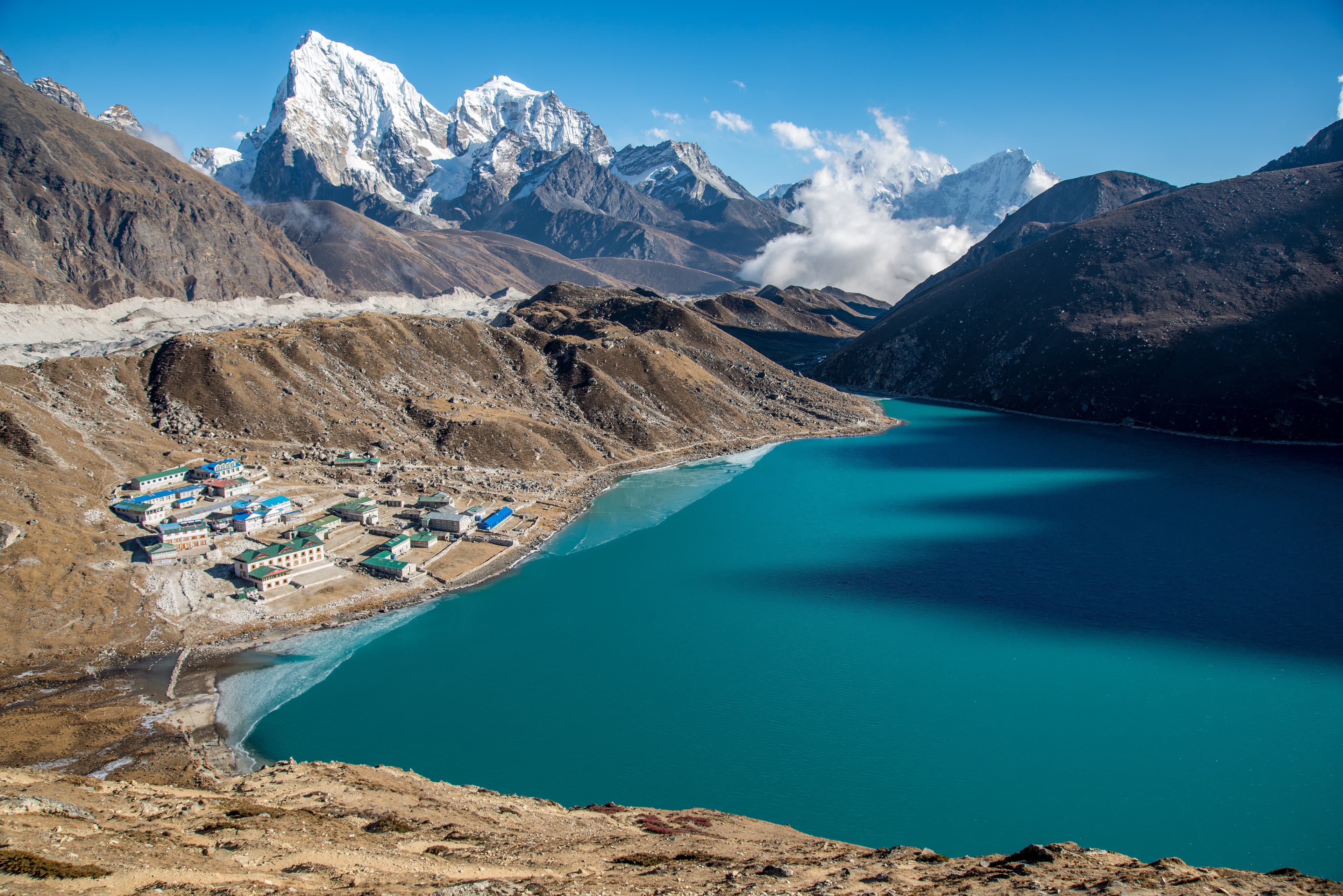
Kathmandu sits in a valley, which means morning mist often lingers until 9 a.m., creating a diffused, flattering quality of light for portraits and street work. The pre-monsoon months of March to May offer crystal-clear air after afternoon showers, making the Himalayas visible on the northern horizon — a stunning backdrop for skyline shots from Shivapuri ridge.
FAQ
Q: Do I need a permit to photograph at Durbar Squares?
Yes. An entry fee applies at all three Durbar Squares, and this doubles as your photography permit for the grounds. Fees range from NPR 1,000 to NPR 1,500 for foreign visitors.
Q: What is the best time of year for Kathmandu photography?
October and November after the monsoon deliver the clearest skies and sharpest Himalayan views. Spring (March–April) is also excellent and coincides with blooming rhododendrons on the valley rim.
Q: Are photography restrictions common inside temples?
Many inner sanctuaries prohibit camera use, especially during active puja. Always ask a priest or temple keeper before raising your camera. A respectful approach almost always receives a warm response.