Travel Tips
Annapurna Photography Guide: Shooting Nepal's Most Beautiful Range
The Annapurna massif offers Nepal's most photogenic Himalayan range -- a continuous wall of peaks from Dhaulagiri to Manaslu visible from Pokhara and multiple trekking viewpoints.
Overview
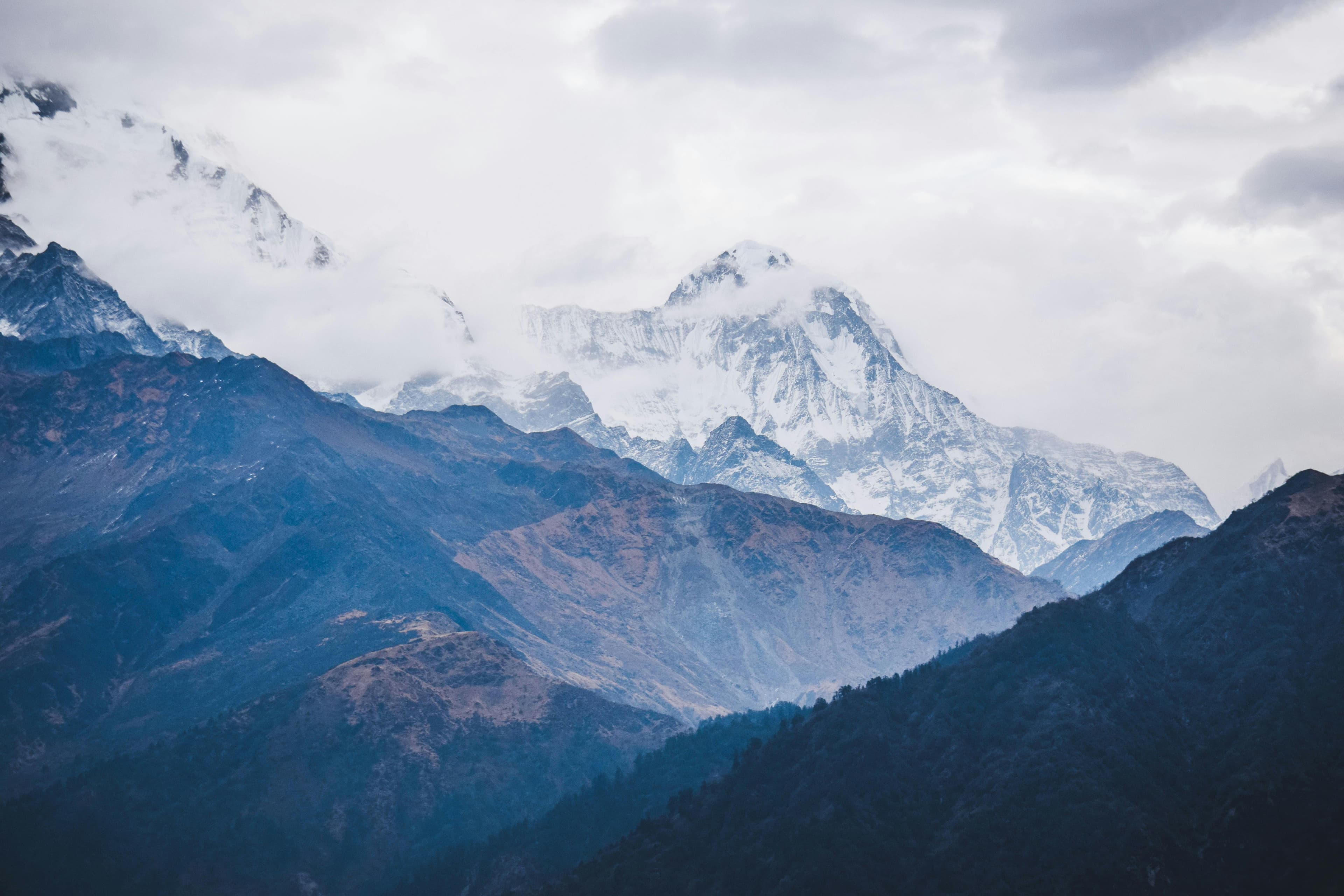
The Annapurna massif is Nepal's most photographed mountain range -- its eight peaks above 7,000 m form a continuous Himalayan wall visible from Pokhara's Phewa Lake, Sarangkot, and dozens of trekking viewpoints on the Annapurna Circuit and Sanctuary routes. Unlike Everest (which is largely hidden by flanking ridges from most ground-level viewpoints), the Annapurna range is visible in full panoramic glory from multiple accessible locations.
Pokhara Lake Reflections
The Phewa Lake reflection of Machhapuchhre (Fishtail, 6,993 m) and the Annapurna Range is one of Nepal's most iconic images. Optimal reflection conditions occur at dawn when the lake surface is completely calm -- wind starts by 9 am on most days, destroying the reflection. Position yourself on the northern Lakeside shore or on a rented rowing boat on the lake before sunrise. October and November give the clearest skies.
Sarangkot
The hilltop at Sarangkot (1,600 m, accessible by road from Pokhara in 25 minutes) gives the widest Annapurna panorama accessible without trekking. The field of view covers Dhaulagiri (8,167 m) to Manaslu (8,163 m) -- three of Nepal's eight-thousanders in a single shot with a 24 mm lens. Sunrise is the standard time but the view at full moon in October is spectacular for night photography.
Poon Hill
Poon Hill (3,210 m, a 2-day trek from Pokhara) is the peak Annapurna photography location. The composition from the observation tower includes Annapurna South, Himchuli, Annapurna I, and Machhapuchhre simultaneously, with rhododendron forest in the foreground during March and April.
Planning this trip? 🎒
Don't stress about transport or guides. Sajilo offers verified cabs, luxury tourist buses, and expert guides across Nepal.
FAQ
What is the best time of day for Annapurna photography from Pokhara?
Pre-dawn to 8 am for morning light and reflections. 4 pm to 6 pm for warm afternoon light on the southern faces. Midday is the least productive as flat overhead light removes texture from the snow faces.
Can I photograph the Annapurna range in the monsoon?
The peaks are hidden in cloud 80 to 90 percent of monsoon days (June to September). Occasional cloud breaks produce dramatic storm light images, but reliable clear views require the dry season.
Is a tripod necessary for Annapurna photography from Pokhara?
For dawn reflection shots, yes -- a tripod at the lake edge enables longer exposures that smooth the water surface. For general mountain photography in daylight, handheld with modern IS/VR lenses is sufficient.