
Travel Tips
Altitude Sickness Nepal Complete Medical Guide
Altitude sickness is the single biggest medical risk for trekkers in Nepal. Understanding its causes, symptoms, and treatments can save your life on the trail.
Understanding Altitude Sickness in Nepal
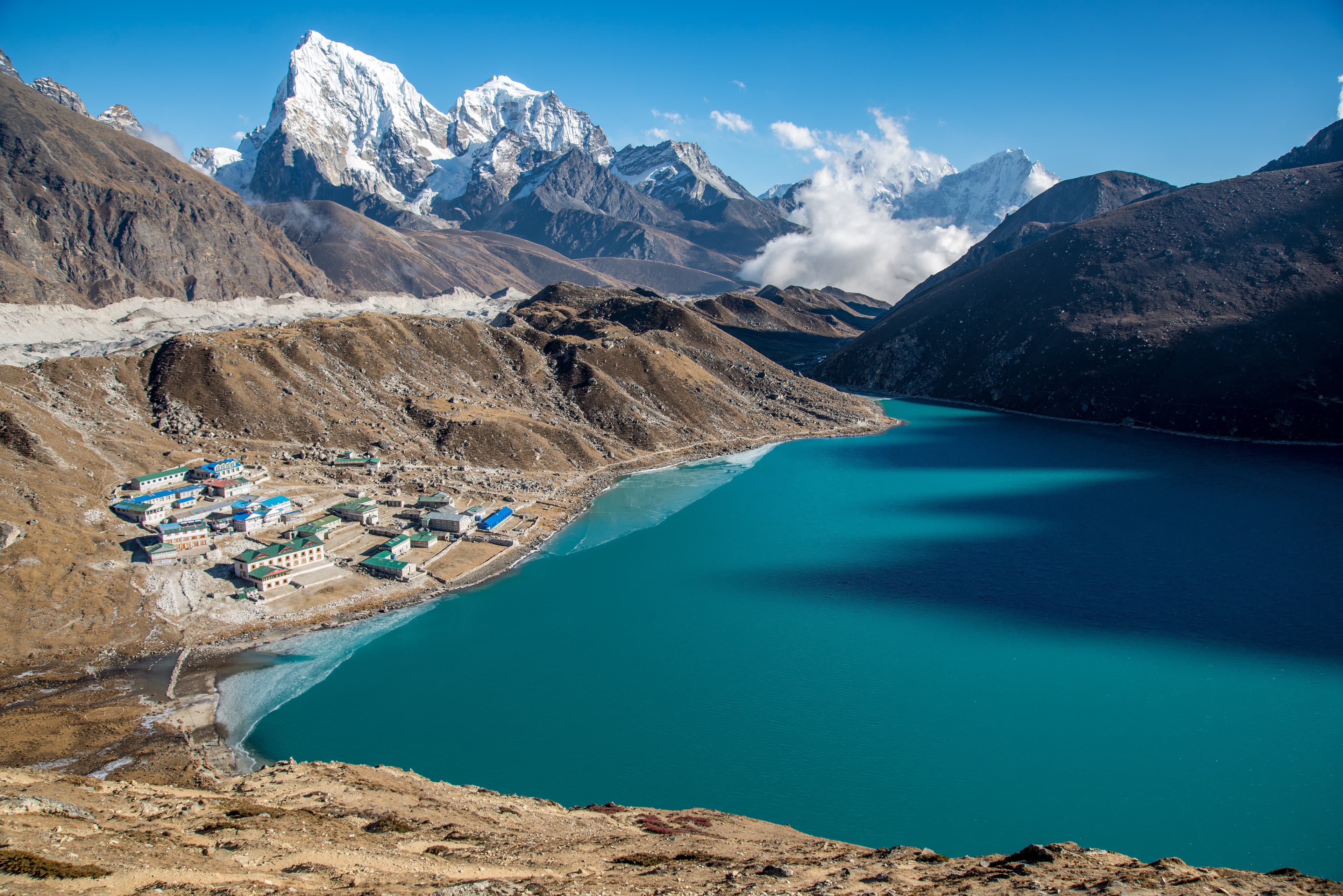
Altitude sickness, medically known as Acute Mountain Sickness (AMS), affects roughly 40 percent of trekkers who ascend above 3,000 metres in Nepal. The Himalayas rise dramatically, and the human body struggles to adapt when ascent is too rapid. At high elevation, barometric pressure drops and each breath delivers less oxygen to your bloodstream, triggering a cascade of physiological responses.
The golden rule is simple: ascend slowly. Above 3,000 metres, limit daily altitude gain to 300-500 metres and schedule a rest day every third day. The phrase "climb high, sleep low" captures the acclimatisation strategy used by experienced mountaineers worldwide.
Recognising Symptoms Early
Early AMS presents as a dull headache, fatigue, loss of appetite, and mild nausea — symptoms easily confused with dehydration or a long hiking day. The Lake Louise Score is a standard diagnostic tool: rate your headache, gastrointestinal symptoms, fatigue, and dizziness on a scale of zero to three. A combined score of three or more with headache as a component indicates AMS.
More serious warning signs include confusion, loss of coordination (ataxia), persistent dry cough, and pink or frothy sputum. These signal progression to High Altitude Cerebral Oedema (HACE) or High Altitude Pulmonary Oedema (HAPE), both medical emergencies requiring immediate descent.
Planning this trip? 🎒
Don't stress about transport or guides. Sajilo offers verified cabs, luxury tourist buses, and expert guides across Nepal.
Treatment and Medications
For mild AMS, stop ascending, rest, and hydrate. Ibuprofen (400 mg three times daily) is clinically shown to reduce headache severity. Acetazolamide (Diamox) at 125-250 mg twice daily can speed acclimatisation if started 24 hours before ascent.
Dexamethasone (8 mg initial dose, then 4 mg every six hours) is reserved for severe AMS and HACE as an emergency measure to reduce cerebral swelling — it buys time for descent but does not cure the underlying problem. For HAPE, nifedipine (30 mg extended-release) reduces pulmonary artery pressure and is carried by most expedition doctors on major routes.
A portable Gamow Bag, which simulates lower altitude by pressurising air around the patient, is available at some higher teahouses on the Everest Base Camp and Annapurna Circuit trails. Descent remains the definitive treatment for any severe altitude illness.
Prevention Strategies
Pre-acclimatisation is possible through altitude tents at home, though expensive and inconvenient. More practically, spend two nights in Kathmandu (1,400 m) or Pokhara (800 m) before flying to a trailhead. On the Everest Base Camp route, the flight to Lukla (2,860 m) is already a significant jump; adding a rest day at Namche Bazaar (3,440 m) is non-negotiable.
Avoid alcohol and sedatives during the first days at altitude, both suppress breathing during sleep. Stay hydrated — urine should remain pale yellow. Eat carbohydrate-rich meals as the body metabolises carbs more efficiently at altitude than fats. Apps like Sajilo make logistics easier, but no technology replaces a sound acclimatisation schedule.
FAQ
Q: Can I take Diamox as a preventive measure?
A: Yes. Starting Diamox 125-250 mg twice daily the day before ascent and continuing for two days after reaching peak altitude is a well-established prevention strategy. Consult a doctor first, especially if you have sulfa allergies.
Q: Is altitude sickness more common in unfit people?
A: No. Physical fitness does not predict susceptibility to AMS. Prior acclimatisation, rate of ascent, and individual genetics are the primary factors.
Q: What should I do if my trekking partner shows signs of HACE?
A: Begin descent immediately — do not wait until morning. Administer dexamethasone if available, use a Gamow Bag if on hand, and alert the nearest teahouse or call emergency evacuation services.