Trekking
Trekking with Children in Nepal: Practical Guide
Nepal offers some of the world best family trekking — if you choose the right route and prepare properly. Age-appropriate treks, porter tips, and what children actually experience.
Trekking with children in Nepal is more achievable than most parents assume — the key is honest route selection based on the youngest child in the group, not the fittest adult.
Overview
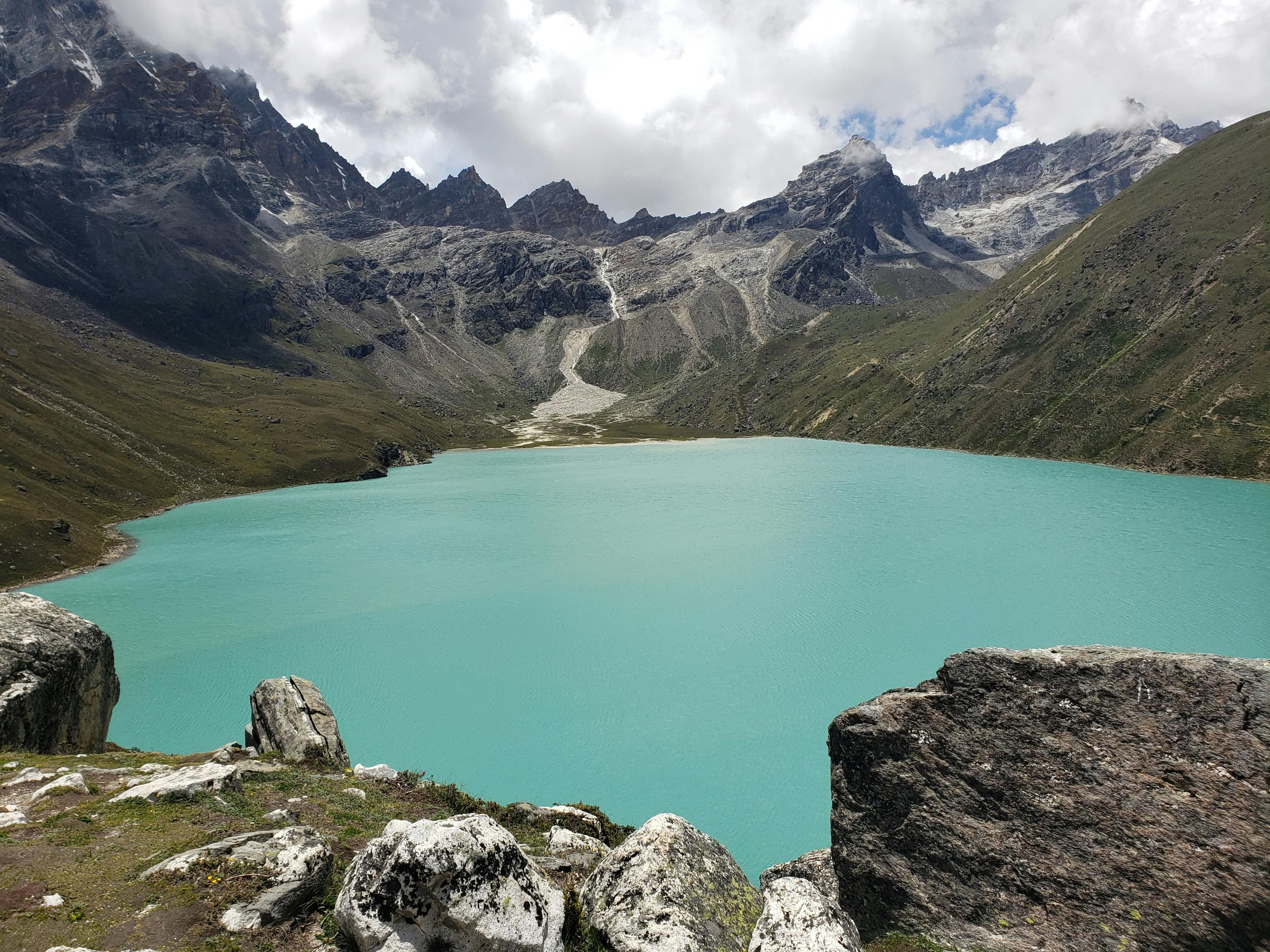
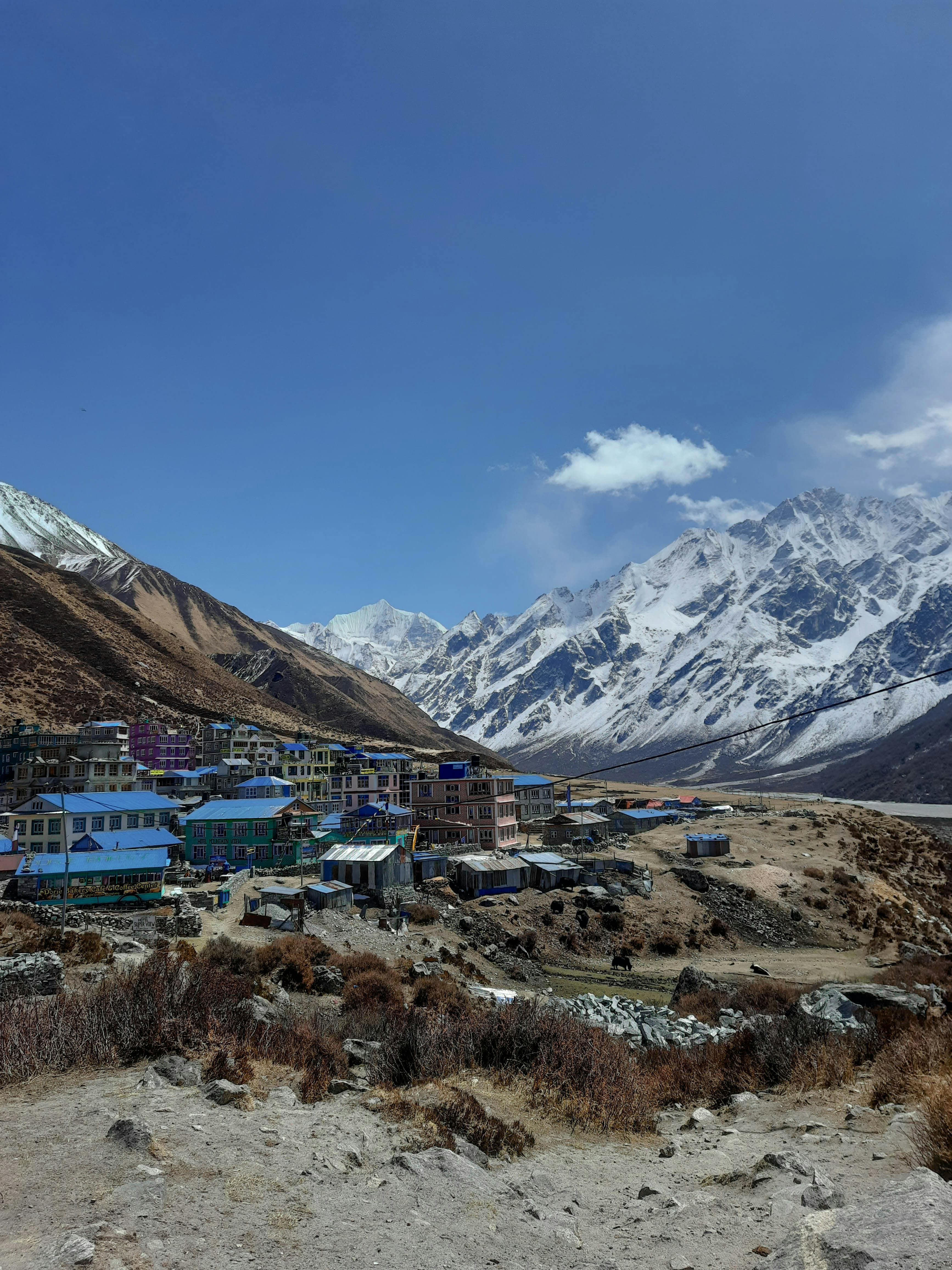
Nepal best family treks fall below 3,200m to avoid altitude sickness in children, whose symptoms are harder to self-report and may progress faster than in adults. Top family routes: Ghorepani Poon Hill (max 3,210m, manageable for children 8+), Australian Camp and Dhampus (max 2,175m, suitable from age 6), Chisapani-Nagarkot (max 2,300m, 2 days, flexible pacing), and the lower Langtang Valley to Rimche (max 2,500m for younger children). Daily distances should not exceed 10-12km for children under 12. A porter dedicated to carrying the child when legs give out is a practical investment, not a luxury. Book the Kathmandu-to-Pokhara leg for your family through Sajilo for comfortable, punctual transport without herding children through crowded bus parks.
Getting There
Pokhara is the natural base for family trekking in Nepal. From Kathmandu, Sajilo offers direct bus bookings. Internal flights (25 min) are faster but subject to cancellation — bus is more reliable for family schedules.
Key Highlights
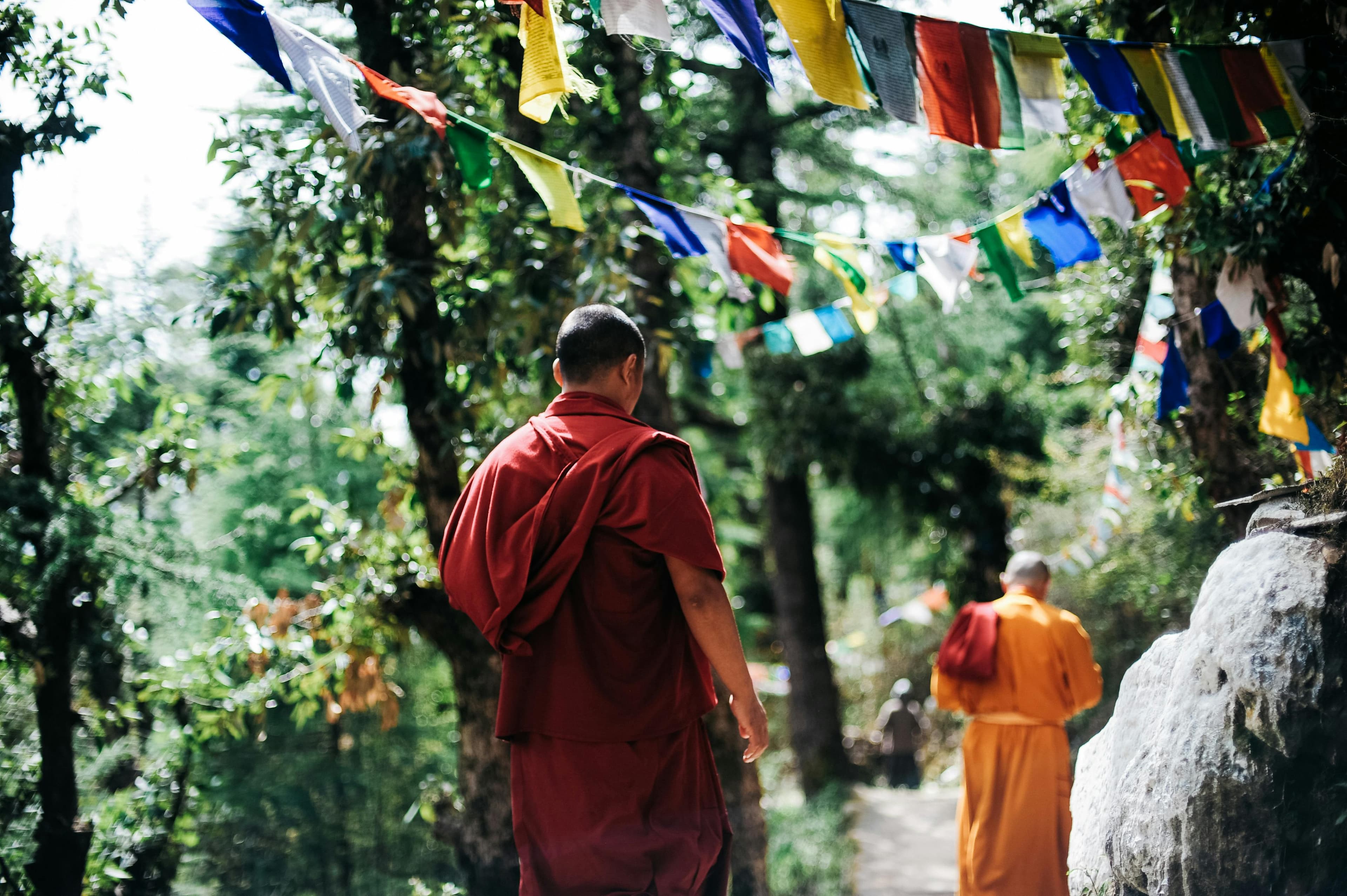
Children respond powerfully to yaks, suspension bridges, and teahouse culture in ways that adult trekkers often overlook. The Gurung villages above Pokhara are particularly engaging — locals are warm toward children and will often invite families for tea. Hot springs at Jhinu Danda (on the ABC approach) make a memorable family stop even if you go no further. Poon Hill sunrise is genuinely magical for children — the early start becomes an adventure rather than a hardship.
Planning this trip? 🎒
Don't stress about transport or guides. Sajilo offers verified cabs, luxury tourist buses, and expert guides across Nepal.
Tips
- Monitor children for AMS symptoms (headache, nausea, loss of appetite, unusual irritability) above 2,500m — children cannot always articulate what they feel.
- Build in half-days and rest days more generously than you would for an adult trek.
- Pack trail snacks that motivate — biscuits and fruit are trekking currency for tired children.
- Hire a porter-guide combination so one person manages the child and the other manages the route.
FAQ
What is the minimum age for Nepal trekking? There is no formal minimum age, but below 5 years old the child will need to be carried for significant sections. Most families find age 7-8 to be the practical minimum for short treks.
Is altitude sickness more dangerous in children? Children can acclimatise well, but they are less able to report early symptoms. Stay below 3,000m with young children and never ascend with any unexplained symptoms.
What vaccinations are needed? Standard travel vaccinations for Nepal apply regardless of trekking. Hepatitis A, typhoid, and routine vaccinations should be up to date. Rabies vaccination is recommended if children will interact with animals.