Destinations
Tourism's Role in Nepal's Economy: Beyond Everest Base Camp
Tourism is far more than trekking permits — it drives hotels, transport, handicrafts, and digital services across the country.
Overview
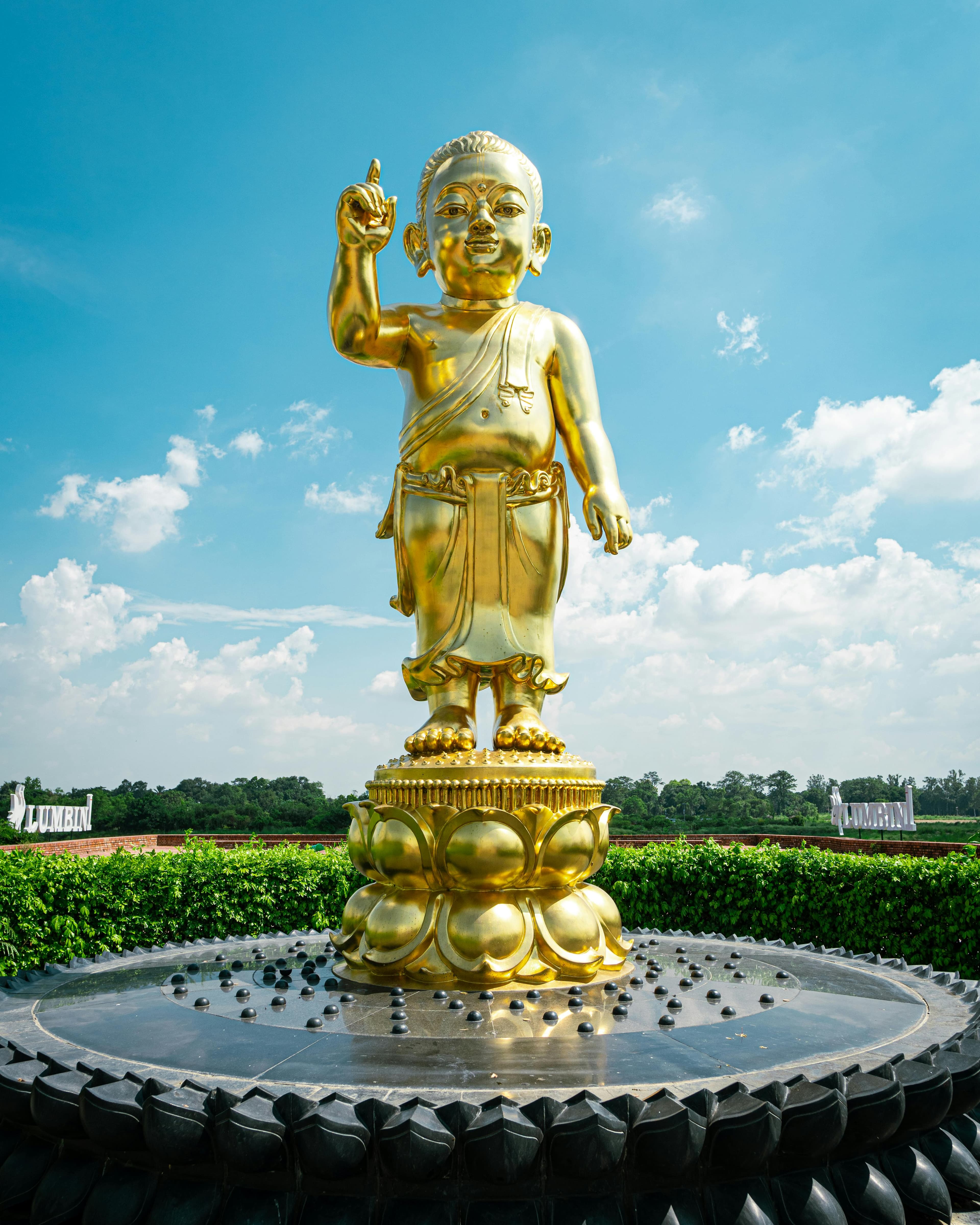
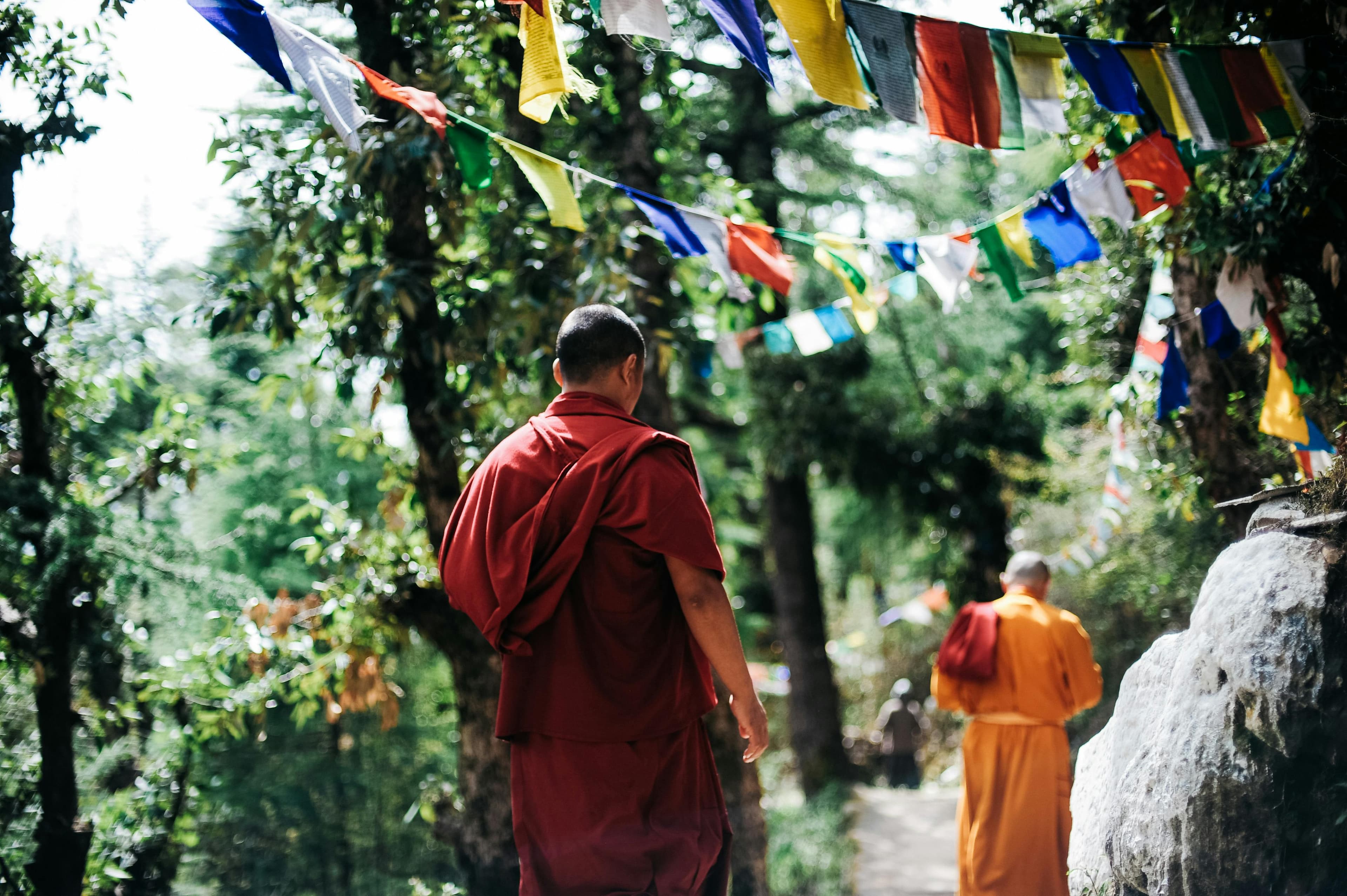
Tourism is one of Nepal's most important foreign exchange earners. Pre-pandemic, the sector contributed roughly 7–8% of GDP directly and considerably more when indirect effects are included. International visitor arrivals crossed one million in 2023 and are projected to grow further in 2024 and 2025 as Himalayan trekking, adventure sports, and spiritual tourism to Lumbini and Janakpur draw a more diverse global audience. Beyond the iconic Everest Base Camp trek, tourism dollars flow into urban hotels, local transport services, handicraft markets, and digital platforms serving travelers.
FAQ
Q: How many tourists visit Nepal each year?
Nepal welcomed approximately 1.05 million international tourists in 2023 and aims to exceed 1.5 million by 2025 under the government's tourism promotion campaigns. China and India remain the largest source markets, followed by the United States and Europe.
Q: What percentage of Nepal's GDP comes from tourism?
Planning this trip? 🎒
Don't stress about transport or guides. Sajilo offers verified cabs, luxury tourist buses, and expert guides across Nepal.
Direct tourism GDP contribution is estimated at 6–8%, but when upstream and downstream economic effects are included — accommodation, transport, food, crafts, and guide services — the figure rises to 10–12% of total economic activity.