Trekking
Sherpa History: Migration from Tibet and Mountain Mastery
The Sherpa people migrated from eastern Tibet roughly 500 years ago, settling in the high valleys of northeastern Nepal. Their extraordinary altitude physiology and mountain culture shaped modern Himalayan climbing.
The word Sherpa means "people from the east" in Tibetan — a reference to their origins in the Kham region of eastern Tibet before migrating to the Solu-Khumbu region of Nepal around the 15th and 16th centuries.
Migration and Settlement
Sherpa oral histories describe crossing the Nangpa La pass (5,716m) from Tibet into the Khumbu region. They brought yak herds, Buddhism, and a trading culture linking Nepal, Tibet, and India. The harsh high-altitude environment of Khumbu — ranging from 2,800m to nearly 9,000m — shaped their physiology and way of life over generations.
Physiological Adaptations
Modern genetics research has revealed that Sherpas carry variants of the EPAS1 gene (sometimes called the super-athlete gene) that allow more efficient oxygen processing at altitude. This genetic adaptation, combined with lifelong high-altitude exposure, gives Sherpas a significant physiological advantage. Their haemoglobin levels and blood oxygen saturation at extreme altitudes outperform acclimatised lowlanders by measurable margins.
The Climbing Partnership
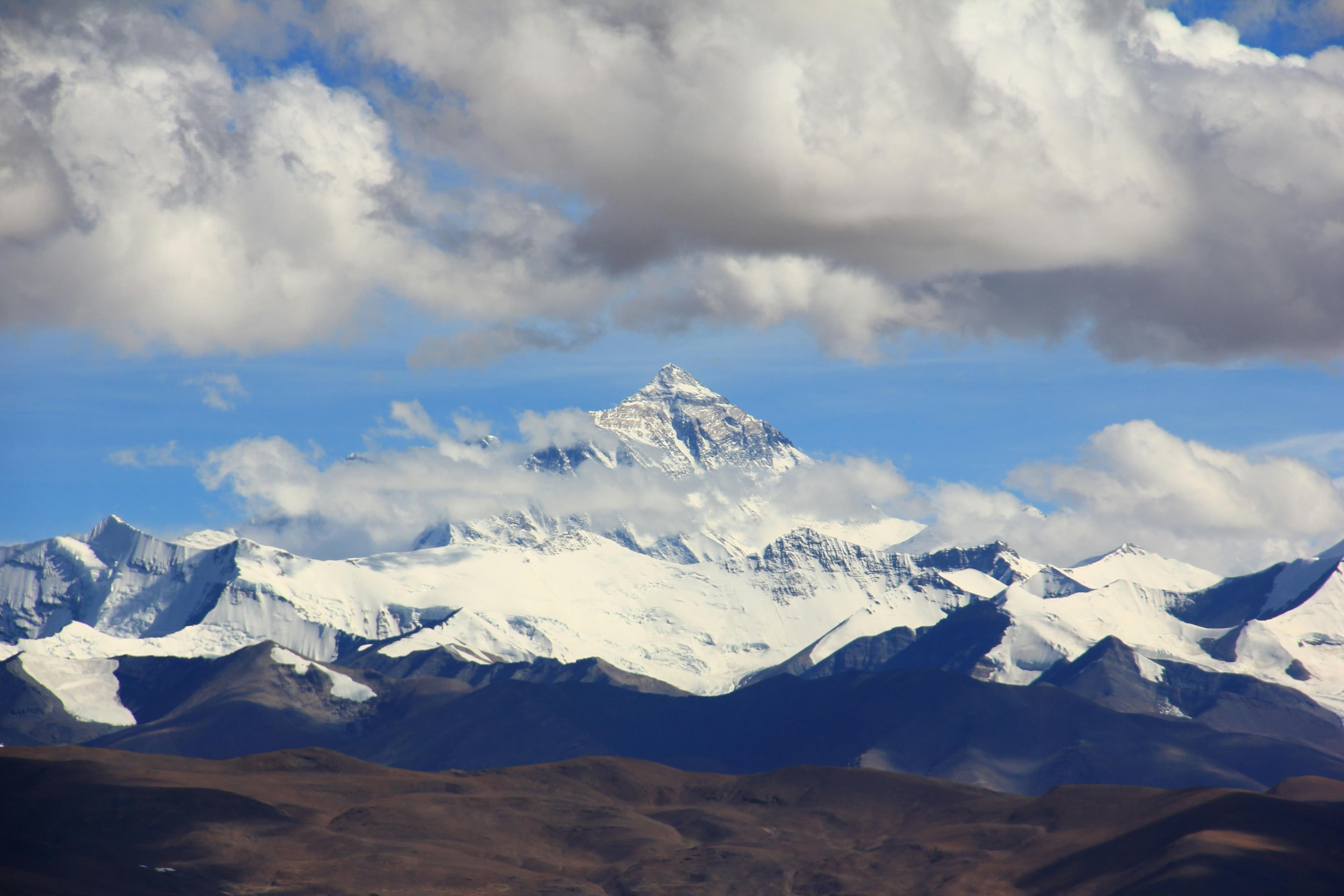
When the first European expeditions arrived in Nepal in the early 20th century, they hired Sherpa porters familiar with mountain terrain. The 1953 British Everest expedition formalised the climbing Sherpa role. Tenzing Norgay's partnership with Edmund Hillary on the summit became a global symbol. Since then, Sherpa climbers have summited Everest thousands of times, with many individuals accumulating 10 or more ascents.
Planning this trip? 🎒
Don't stress about transport or guides. Sajilo offers verified cabs, luxury tourist buses, and expert guides across Nepal.
Modern Sherpa Identity
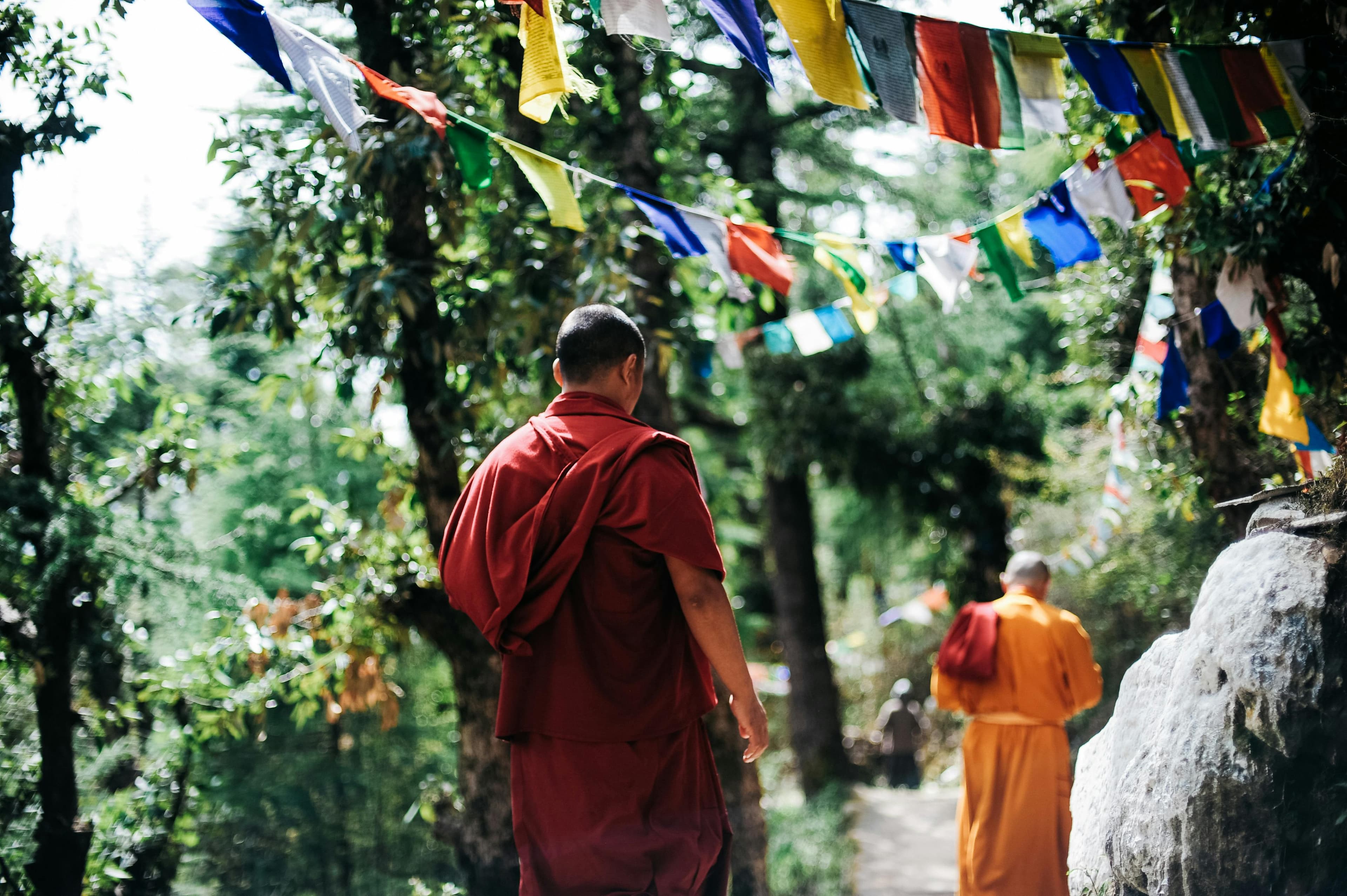
Today's Sherpas are entrepreneurs, pilots, doctors, and NGO leaders alongside climbers. Khumbu's tourism economy — supported by the Sagarmatha National Park — has brought schools, clinics, and prosperity to once-isolated villages. Cultural identity, rooted in Tibetan Buddhism and expressed through monasteries, mani walls, and festivals like Dumje and Mani Rimdu, remains vibrant.
FAQ
Are all high-altitude porters in Nepal Sherpas? No — Sherpa is an ethnic group, not a job title. Many high-altitude workers come from other groups including Rai, Tamang, and Gurung communities. Using "Sherpa" as a generic term for porter is technically inaccurate.
How many Sherpas have summited Everest? Kami Rita Sherpa holds the record with 29 summits as of 2024 — more than any other person.
What religion do Sherpas practice? Tibetan Buddhism, expressed through gompas (monasteries), prayer flags, mani stones, and festivals tied to the Tibetan lunar calendar.