Culture
Sherpa Culture in Khumbu: Beyond Everest Base Camp
The Sherpa people of Nepal's Khumbu region have a vibrant Buddhist culture of monasteries, yak herding, and Mani Rimdu festival celebrations at high altitude.
Who Are the Sherpas?
Sherpas are a Tibeto-Burman ethnic group who migrated from the Kham region of Tibet to Nepal's Khumbu region approximately five hundred years ago. Their name literally means "people from the east" in Tibetan. While the term "Sherpa" is now internationally synonymous with high-altitude climbing guides, this reflects only the most visible dimension of a rich culture shaped by Buddhism, yak pastoralism, trade across the Nangpa La pass, and a close relationship with the extreme mountain environment.
Tibetan Buddhism at Altitude
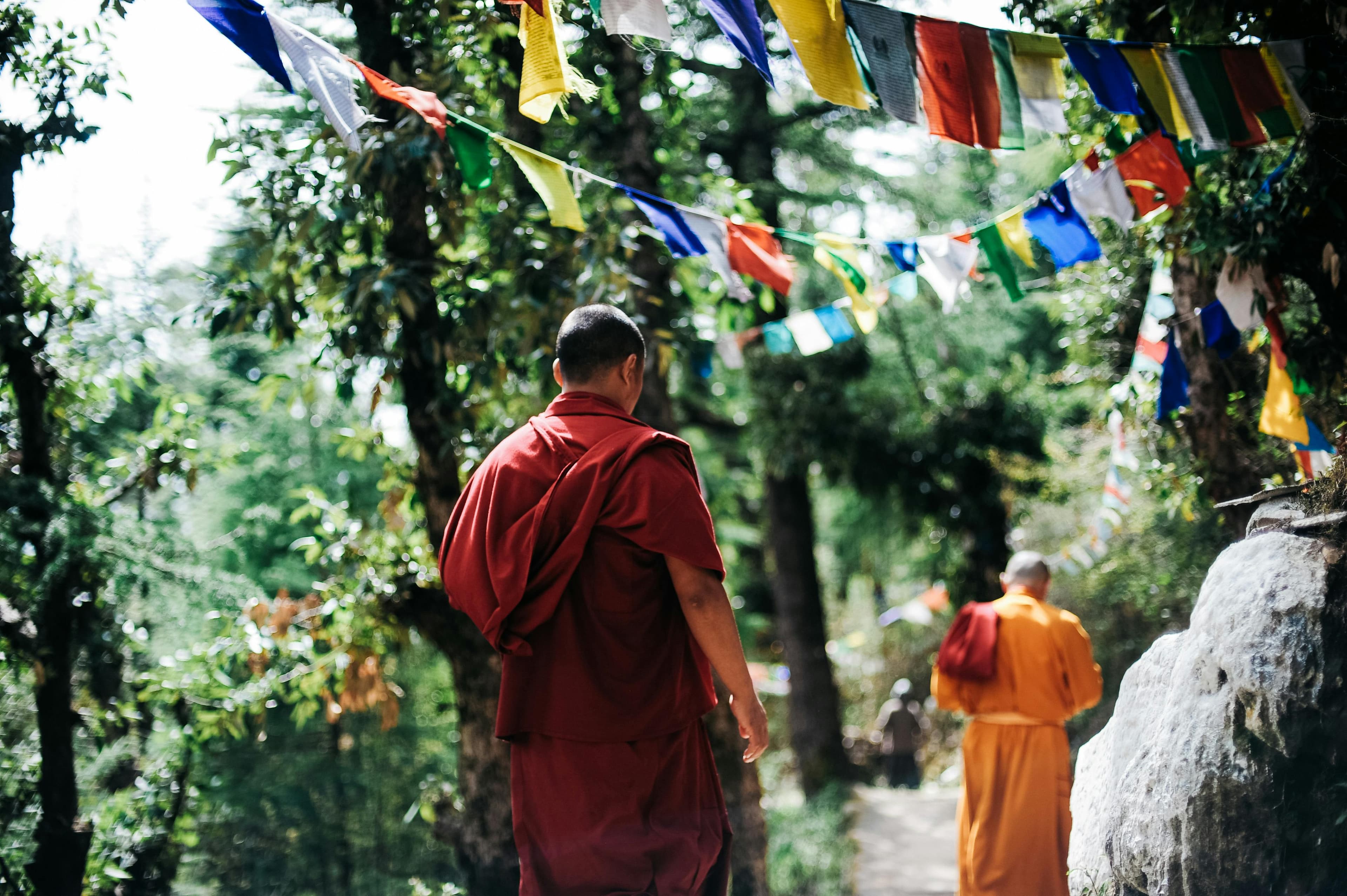
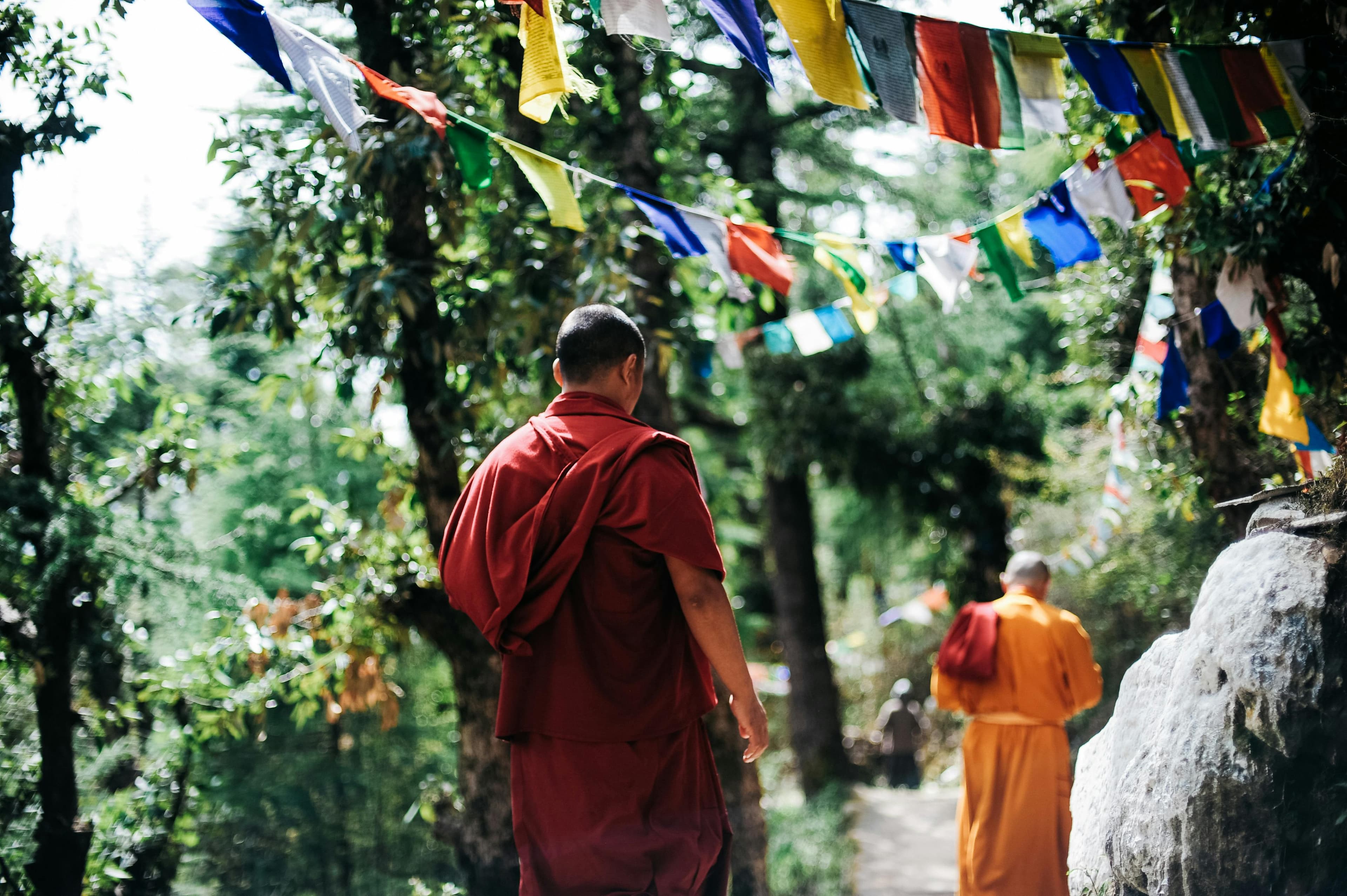
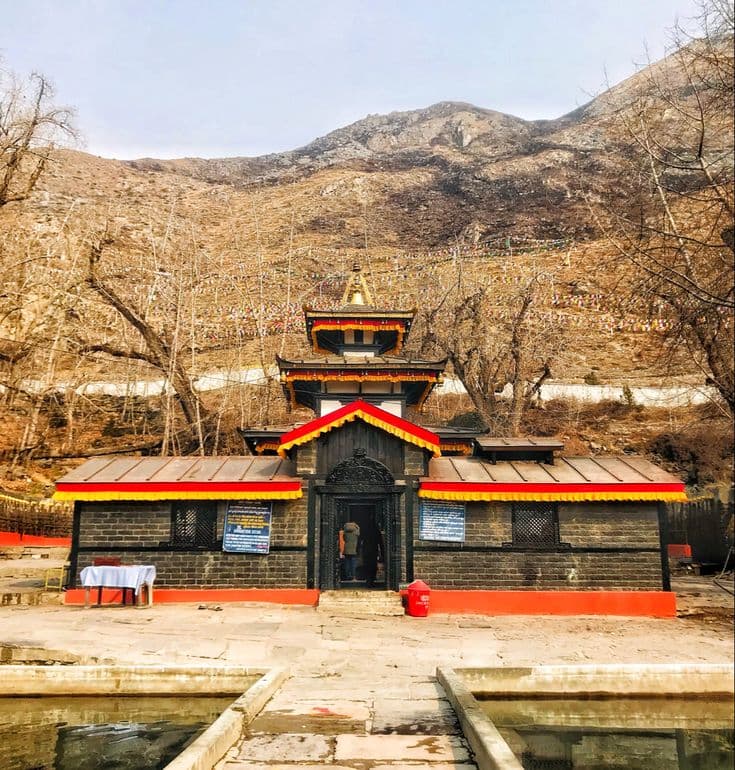
Sherpa culture is inseparably Buddhist. Monasteries, called gompas, dot the Khumbu landscape at altitudes where few other communities live. Tengboche Monastery at 3,867 meters is the most famous, offering views of Ama Dablam and Everest while monks chant the morning liturgy. Prayer wheels, mani walls carved with the mantra Om Mani Padme Hum, and chortens mark every trail junction. The Sherpa community's investment in their monasteries is remarkable. Tengboche alone has been rebuilt twice after fires and earthquakes, always through community donations.
Mani Rimdu: The Festival of the Year
Mani Rimdu is the Sherpa community's most important annual festival, held at Tengboche and Thame monasteries in October-November. Three-day public performances include Cham masked dances performed by monks, representing the battles of good over evil in Tantric Buddhist cosmology. Each mask is a work of art. Trekkers on the Everest Base Camp route time their journeys to arrive at Tengboche during Mani Rimdu. The combination of the festival, the monastery setting, and the mountain backdrop is genuinely extraordinary.
Daily Life and Yaks
Yaks are central to Sherpa livelihoods. They carry loads on high mountain trails, provide milk for butter and cheese, and supply meat and leather. Sherpa villages at lower altitudes, like Namche Bazaar and Khumjung, have transformed into vibrant hubs with bakeries, internet cafes, and trekker lodges, but the yak caravans still move through on schedule.
Planning this trip? 🎒
Don't stress about transport or guides. Sajilo offers verified cabs, luxury tourist buses, and expert guides across Nepal.
FAQ
Q: Is Sherpa a caste or an ethnicity?
Sherpa is an ethnicity with its own distinct language, Buddhist religious tradition, and cultural practices. It is not a caste within the Hindu varna system, though Sherpas like all Nepali communities have their own internal social structures.
Q: Do all Sherpas climb mountains professionally?
No. The association between Sherpas and mountaineering is historically recent. It developed after the British Everest expeditions of the early twentieth century. Many Sherpas are farmers, traders, lodge owners, and teachers. The mountaineering profession remains important but represents a minority of the Sherpa population.
Q: Can visitors attend Mani Rimdu?
Yes. Mani Rimdu at Tengboche is open to trekkers. Arrive a day early to find accommodation and attend the all-night ritual prayer session on the eve of the masked dances. Entrance is free but a donation to the monastery is customary.