Culture
Sankhu: A Guide to the Kathmandu Valley's Eastern Heritage Village
Sankhu is an ancient Newari trading town northeast of Kathmandu on the old Tibet trade route, home to the Vajrayogini temple, one of Nepal's most important Tantric shrines.
Overview
Sankhu (also spelled Sanku) is a historic Newari town located approximately 18 kilometres northeast of Kathmandu city centre, in the upper reaches of the Kathmandu Valley. It lies on the ancient trade route that connected the Kathmandu Valley with Tibet via the Helambu and Sindhupalchowk regions, and its history as a waypoint town for trans-Himalayan trade shaped its culture and architecture. Sankhu is most significant today as the location of the Vajrayogini temple, one of Nepal's four most important Tantric goddess shrines.
Historical Significance
Sankhu was a prosperous trading town from at least the Licchavi period (c. 3rd–9th centuries CE). Its position on the Tibet route gave it commercial importance that supported a wealthy mercantile class, whose legacy is visible in the quality of woodcarving and architecture in the town's old quarter. Sankhu's Newar community developed a strong tradition of scholarship and religious practice; the town is historically associated with Tantric Buddhist lineages.
The town's trade-based prosperity declined after Nepal's border with Tibet was restricted in the 20th century. Sankhu suffered very severe damage in the 2015 earthquake, which destroyed or structurally compromised a large portion of the historic old town. Recovery and restoration have been slow.
Vajrayogini Temple
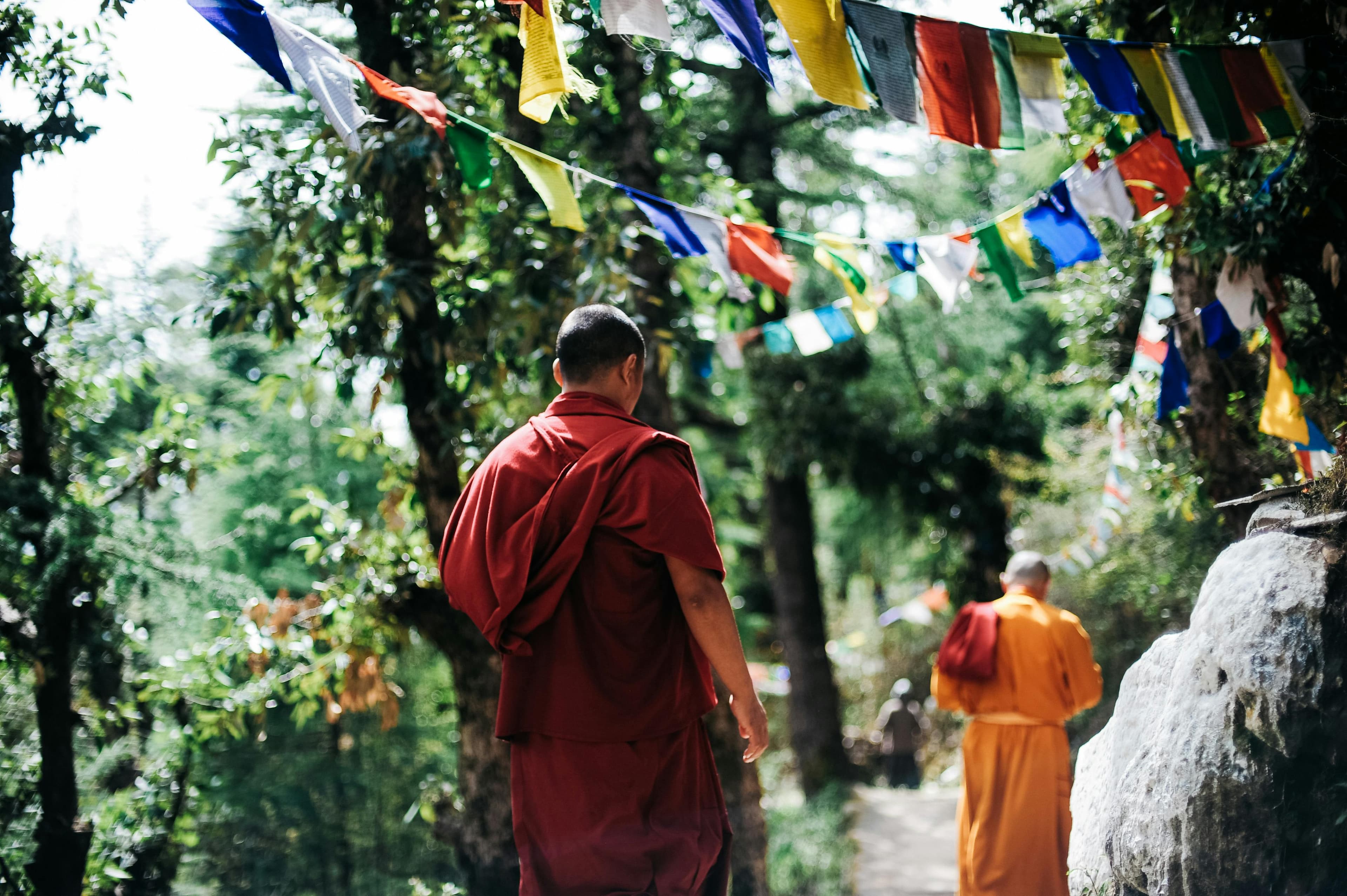
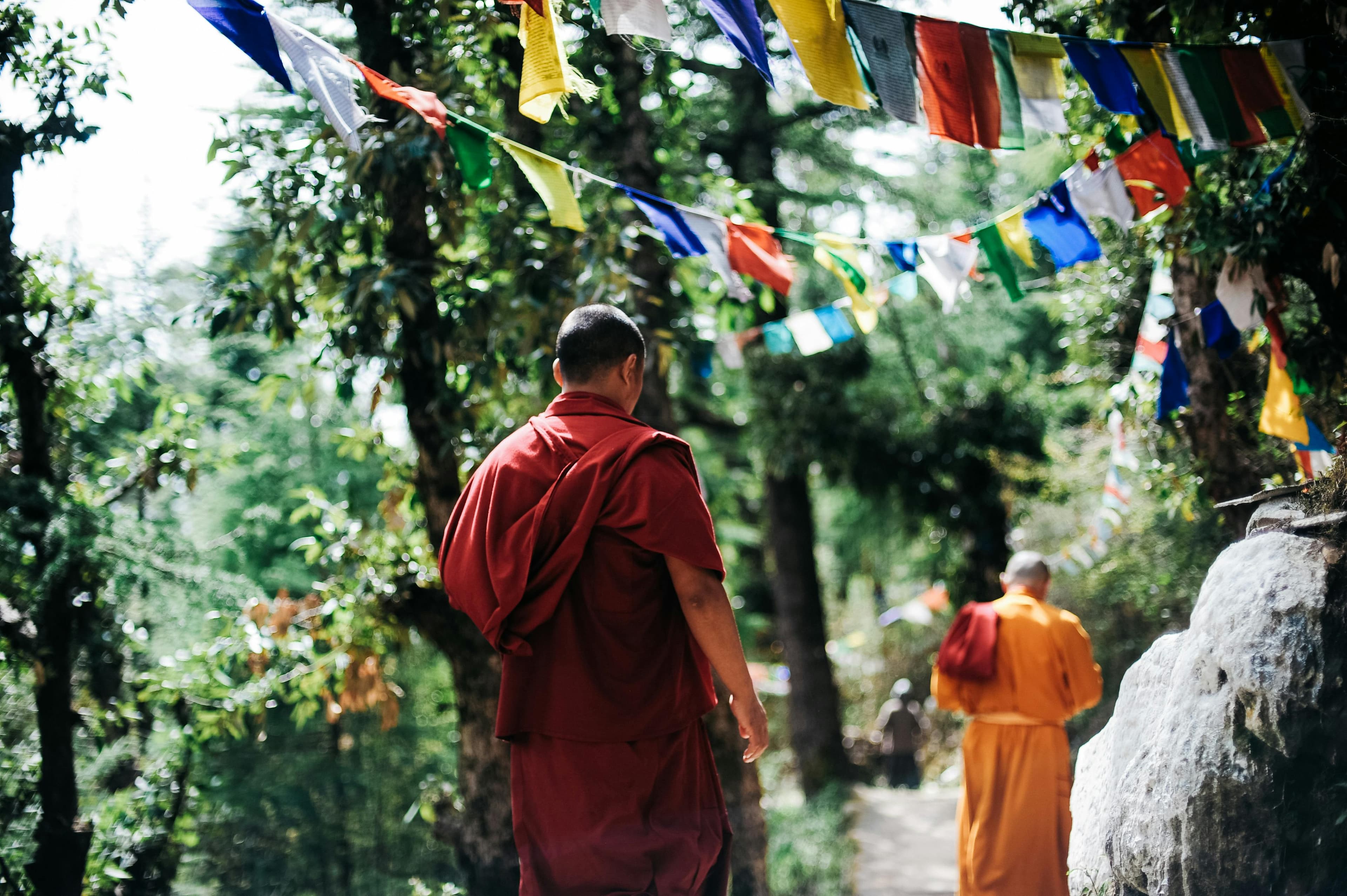
The Vajrayogini temple complex is the primary reason most visitors travel to Sankhu. Located on a forested hill above the town, accessed by a stone-stepped path through dense trees, the complex is dedicated to Vajrayogini — a fierce Tantric goddess representing the transformative power of enlightenment. She is worshipped both in the Vajrayana Buddhist tradition and within Newari Hindu-Buddhist syncretic practice.
Planning this trip? 🎒
Don't stress about transport or guides. Sajilo offers verified cabs, luxury tourist buses, and expert guides across Nepal.
The temple is one of the Char Dham (four sacred sites) of the Kathmandu Valley's goddess tradition. The current structure dates primarily to the Malla period, with 17th-century renovations. The hilltop setting, reached by a processional stairway lined with subsidiary shrines, has a powerful atmosphere.
The main sanctum holds the image of Vajrayogini, a golden figure in a dancing posture. Tantric ritual items and metalwork of high quality are displayed in the complex. Non-Hindus may generally enter the outer courtyard; access to the inner sanctum varies.
The Old Town
Sankhu's old town, though badly damaged by the 2015 earthquake, retains stretches of traditional Newari architecture with carved wooden facades. The town's main street follows an ancient route and several traditional rest-houses (sattal) and public water fountains (hiti) remain. Ongoing reconstruction has rebuilt some structures; others remain in damaged condition.
Practical Information
Getting there: Sankhu is 18 km from Kathmandu; taxi is the most practical option (35–45 minutes). Local buses run from Ratna Park in Kathmandu.
Entry fee: Small donation at the Vajrayogini temple complex.
The stairway to Vajrayogini: The walk from the base of the hill to the temple takes approximately 20 minutes on stone steps through forest. It is a pleasant walk; wear appropriate footwear.
Best time: Early morning or during the Vajrayogini festival (varies by lunar calendar).
Time required: 2–3 hours for the temple and a walk through the old town.