Trekking
Wildlife of Sagarmatha National Park: Life at the Top of the World
Sagarmatha National Park around Mount Everest supports surprisingly rich wildlife adapted to one of the harshest environments on earth.
Overview
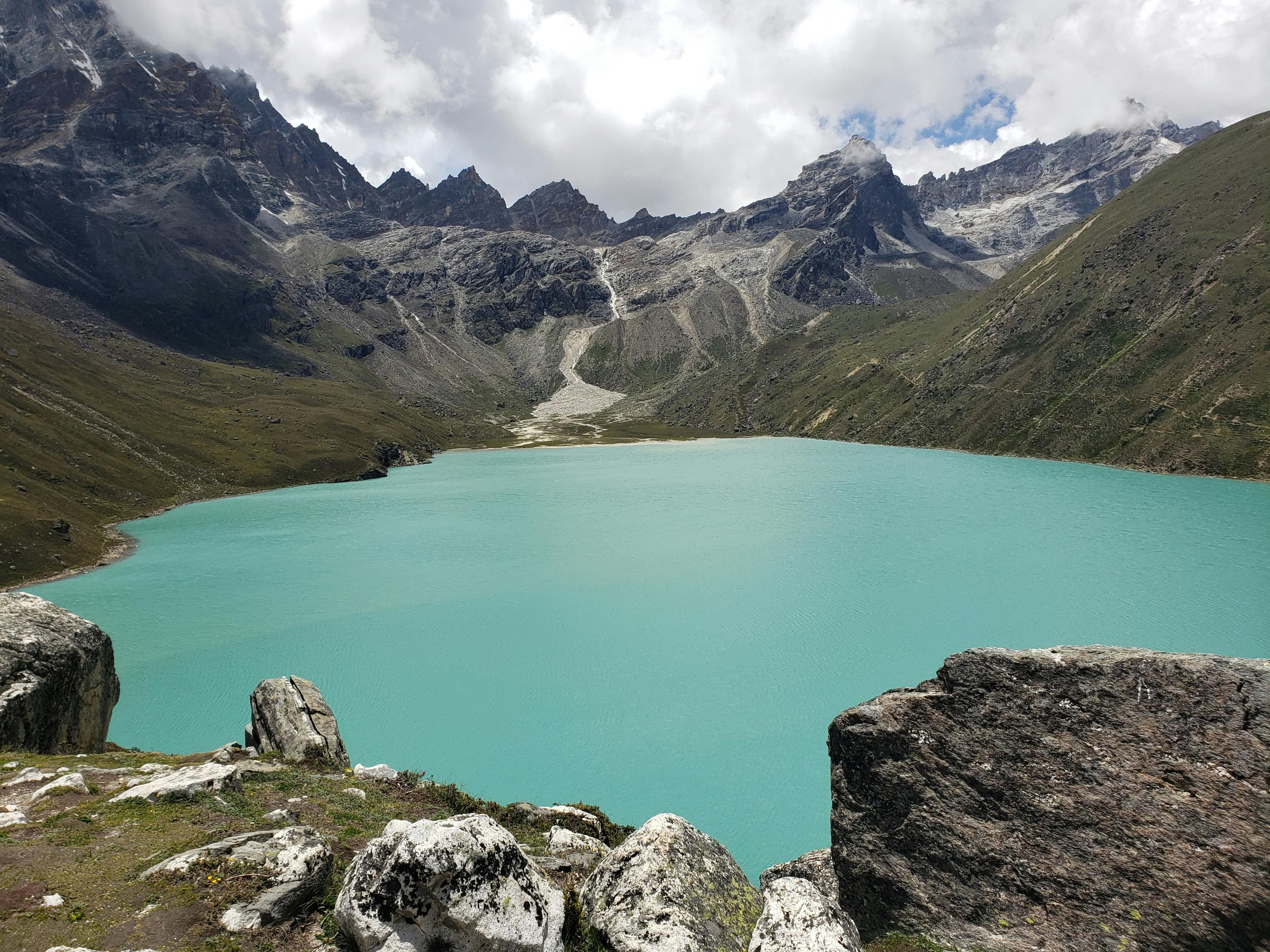
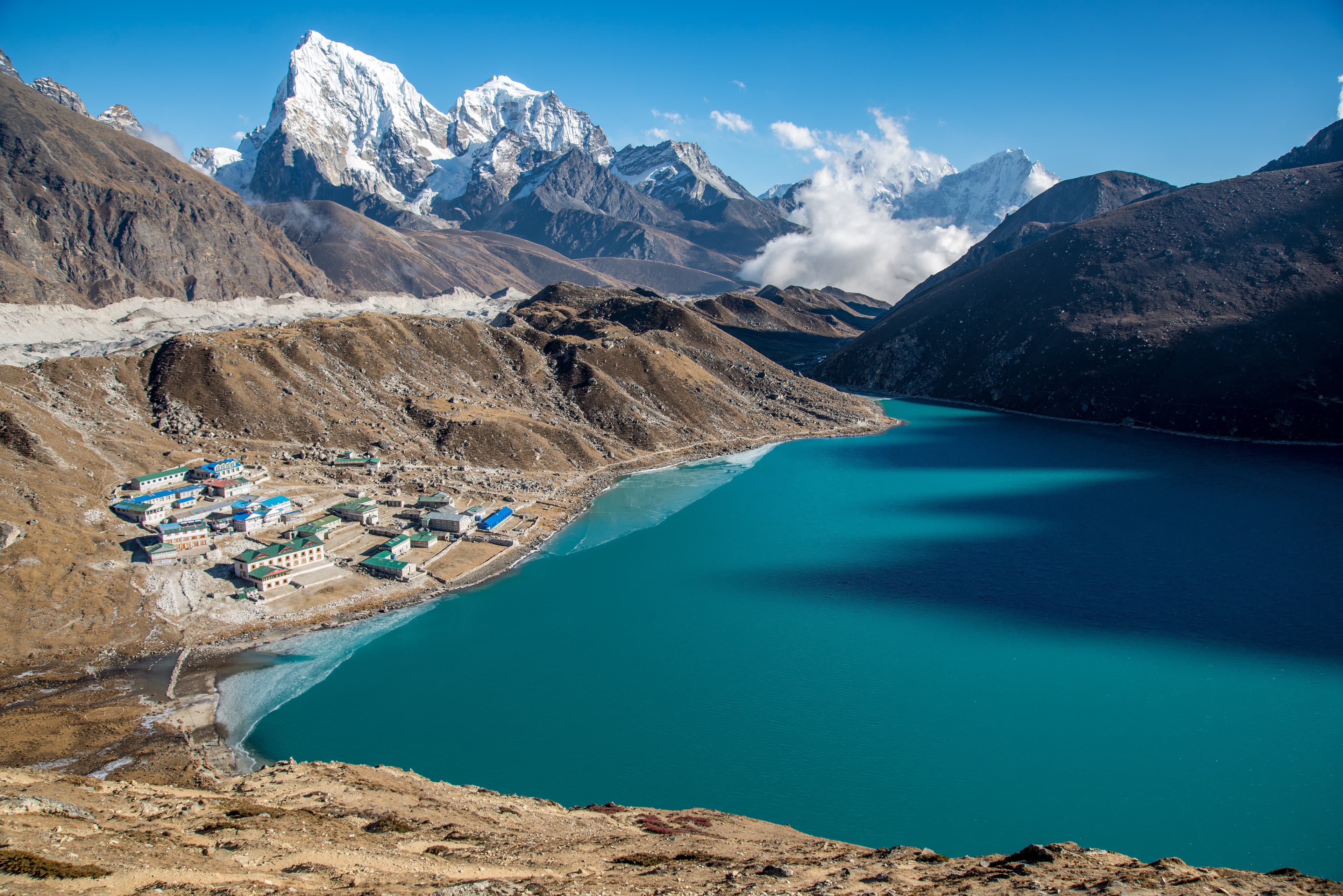
Sagarmatha National Park, a UNESCO World Heritage Site, surrounds Mount Everest and covers 1,148 square kilometres of high-altitude terrain in the Khumbu region of northeastern Nepal. With altitudes ranging from 2,845 metres at Monjo to 8,849 metres at the Everest summit, the park is the world's highest protected area. Despite the extreme conditions, life persists at every level, and the wildlife encountered on the Everest Base Camp trek is genuinely remarkable.
The park's signature mammal is the Himalayan tahr, whose sure-footed herds are commonly seen on the rocky slopes above Namche Bazaar and between Tengboche and Dingboche. Snow leopards range throughout the upper valleys, and camera trapping studies near Gokyo and the Nangpa La corridor have documented healthy populations. Himalayan black bears inhabit the birch and rhododendron forests below Namche, and musk deer are occasionally spotted in the Phakding-Namche gorge.
Birdlife is the park's most accessible wildlife feature. The Himalayan Monal, Nepal's national bird, is almost certain to be spotted between Phakding and Namche in the mixed broadleaf forest. Tibetan Snowcocks call from high ridges above 4,500 metres. Bar-headed Geese sometimes fly directly over Everest during migration. The Blood Pheasant and Grandala are coveted targets for birdwatchers on the upper approach to Gorak Shep.
Sajilo's bus service from Kathmandu to Ramechhap makes reaching the Lukla flight hub significantly easier for wildlife-focused trekkers combining the Everest region with other natural history itineraries.
Planning this trip? 🎒
Don't stress about transport or guides. Sajilo offers verified cabs, luxury tourist buses, and expert guides across Nepal.
FAQ
Q: Can I see snow leopards on the Everest Base Camp trek?
Direct sightings are rare. However, pugmarks are occasionally found on the trail near Gokyo, and the Ngozumpa Glacier edges are known snow leopard corridors. Dedicated wildlife extensions into upper Gokyo Valley increase odds considerably.
Q: Is the Himalayan Monal easy to spot in Sagarmatha National Park?
The Himalayan Monal (Danphe in Nepali) is reliably seen in the forest between Phakding and Namche during the morning hours. Males are iridescent and unmistakable. The slopes below Tengboche Monastery are also a reliable location, particularly in early morning from October to April.