Wildlife
Rara Lake: Wildlife and Nature Guide
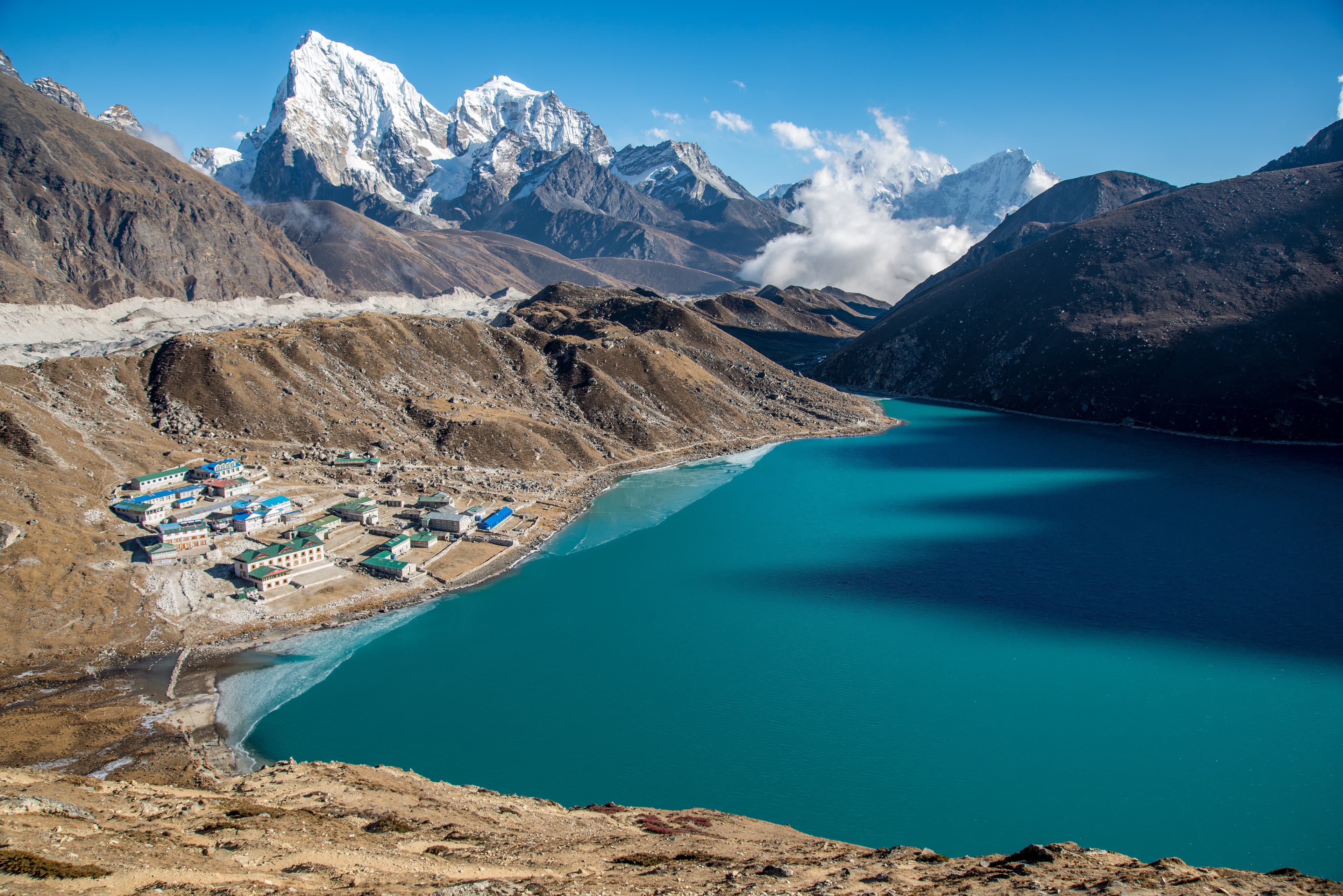
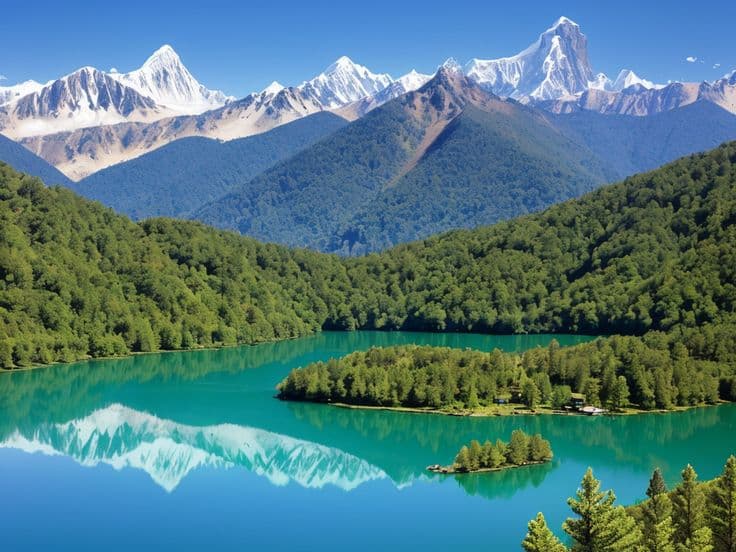
Rara Lake, Nepal's largest lake at 3,060m altitude in Mugu district, sits within a national park protecting rare Himalayan wildlife in one of the country's most remote landscapes.
Overview
Rara National Park, covering 106 sq km around Nepal's largest lake, protects a pristine ecosystem in the remote Karnali region. The park holds red panda, snow leopard, Himalayan black bear, musk deer, and over 230 bird species. The lake itself — 13.8 sq km of crystal alpine water at 3,060m — hosts bar-headed geese, red-crested pochards, and Brahminy ducks on seasonal migration.
The dominant vegetation shifts from blue pine and spruce forest on lower slopes to open alpine meadow above the lake. This mosaic creates habitat for Himalayan monal, blood pheasant, and chukar partridge on the hillsides above the park headquarters. Red panda are present in the bamboo-dense northwest section of the park and are occasionally sighted near the trail to Chuchemara Danda ridge (4,087m).
Wildlife watching here requires patience and acclimatisation — the altitude and remoteness mean most visitors are trekkers and wilderness seekers rather than dedicated wildlife tourists. This actually improves encounter quality; the animals are less habituated to people than at Chitwan or Bardia.
Access is by a 35-minute flight from Nepalgunj to Talcha airport, followed by a two-hour walk to the lake. Trekking routes from Gamgadhi also reach the lake in four to five days. The park is open year-round but October–November and March–April are recommended. Winter snowfall can close trails.
Planning this trip? 🎒
Don't stress about transport or guides. Sajilo offers verified cabs, luxury tourist buses, and expert guides across Nepal.
FAQ
Is Rara suitable for a first-time Nepal visitor? The altitude and remoteness make it better suited to experienced trekkers. Chitwan or Bardia are easier for first-time wildlife visitors.
Are there accommodation options at Rara? A few basic teahouses and a government guesthouse. Bring a sleeping bag rated for cold temperatures.
What wildlife is most reliably seen? Himalayan monal, musk deer, and bar-headed geese in season. Red panda sightings require luck and a knowledgeable local guide.