Culture
The Rana Oligarchy: 104 Years of Family Rule
From 1846 to 1951, Nepal was controlled not by its kings but by a hereditary line of Prime Ministers from the Rana family. Their century of rule combined modernisation with iron repression.
The Kot Massacre of 14 September 1846 was the founding moment of the Rana regime. Jung Bahadur Rana orchestrated the killing of dozens of court nobles in the Kot courtyard, then manoeuvred himself into the Prime Ministership and exiled the king to a ceremonial role.
Overview
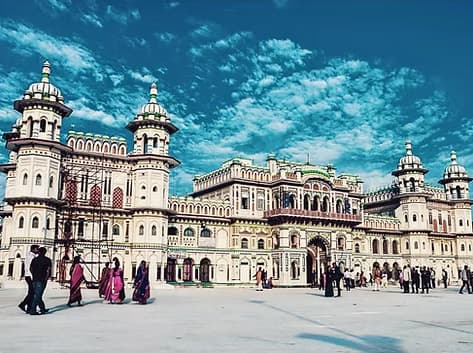
Jung Bahadur Rana visited Europe in 1850 and returned with architectural ambitions — Kathmandu's neoclassical palaces with their colonnades and plasterwork date from this period. He also codified Nepal's first legal code, the Muluki Ain of 1854, which formalised the caste hierarchy. The Rana system made the Prime Ministership hereditary within the Rana family, passing by a strict roll called the Rana succession list. Kings were kept in their palaces with no political power. Nepal was closed to foreigners — no tourists, no missionaries, no outside influence. The country modernised selectively: electricity reached Kathmandu in 1911, telephone lines in 1913, and the first car arrived on the back of porters since there were no roads. The system finally cracked when India gained independence in 1947, removing British support for the Ranas. The 1950-51 revolution ended Rana rule and restored political power to King Tribhuvan.
FAQ
Did all Ranas live lavishly? The ruling Rana families lived in palatial splendour. C-class Ranas (those not on the succession list) lived quite modestly despite the family name.
Are Rana palaces visible today? Yes — Keshar Mahal, Singha Durbar (now the government secretariat), and several converted hotels preserve Rana-era architecture in Kathmandu.
Planning this trip? 🎒
Don't stress about transport or guides. Sajilo offers verified cabs, luxury tourist buses, and expert guides across Nepal.