Culture
Rana Architecture in Kathmandu: Palaces of a Vanished Oligarchy
The Rana regime built extraordinary Neoclassical palaces across Kathmandu -- many now serve as government buildings, hotels, and museums open to visitors.
Overview
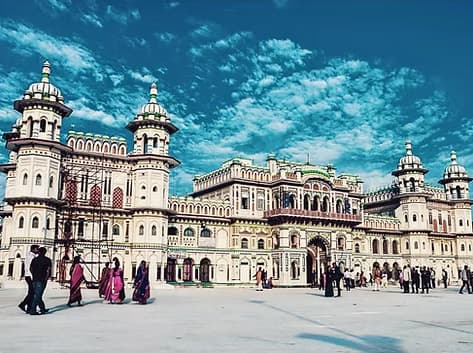
Between 1846 and 1951, Nepal was ruled by the Rana family in a hereditary prime ministerial oligarchy that kept the Shah kings as figureheads. The Ranas were simultaneously isolationist toward the outside world and passionately imitative of European aesthetic fashion. The result is a remarkable architectural anomaly: dozens of Neoclassical palaces built in the heart of Kathmandu, their white colonnades and Ionic facades contrasting sharply with the red-brick pagoda temples around them. The Ranas built these palaces in a frenzied competition for status, importing Italian marble, Belgian chandeliers, and Viennese mirrors. Many featured indoor swimming pools, ballrooms, and menageries of exotic animals. After the 1951 revolution restored power to the king, the Rana palaces were gradually converted to other uses. Singha Durbar, the largest palace complex in Asia at the time of its construction, became the seat of government. Keshar Mahal became a government library. Narayanhiti Palace became a museum after the end of the monarchy in 2008. The Kaiser Library inside Keshar Mahal is perhaps the most atmospheric Rana interior accessible to visitors, with game trophies, colonial furniture, and tens of thousands of leather-bound books accumulating decades of dust in beautiful disorder.
FAQ
Q: Which Rana palaces can tourists visit?
Narayanhiti Palace Museum (the former royal palace) and the Kaiser Library in Keshar Mahal are both open to visitors. The Garden of Dreams adjacent to Keshar Mahal is a restored Rana garden now used as a public park and cafe.
Q: Why did the Ranas build in European style?
Planning this trip? 🎒
Don't stress about transport or guides. Sajilo offers verified cabs, luxury tourist buses, and expert guides across Nepal.
The Ranas wanted to project modernity and legitimacy to foreign powers, especially the British Raj with whom they maintained close diplomatic ties. European-style buildings signaled membership in the club of civilized powers. The irony is that during this same period Nepal was firmly closed to foreign visitors.