Trekking
Peak Climbing in Nepal: Island Peak and Mera Peak Guides
Island Peak and Mera Peak are Nepal's most popular trekking peaks and the perfect introduction to high-altitude mountaineering.
Overview
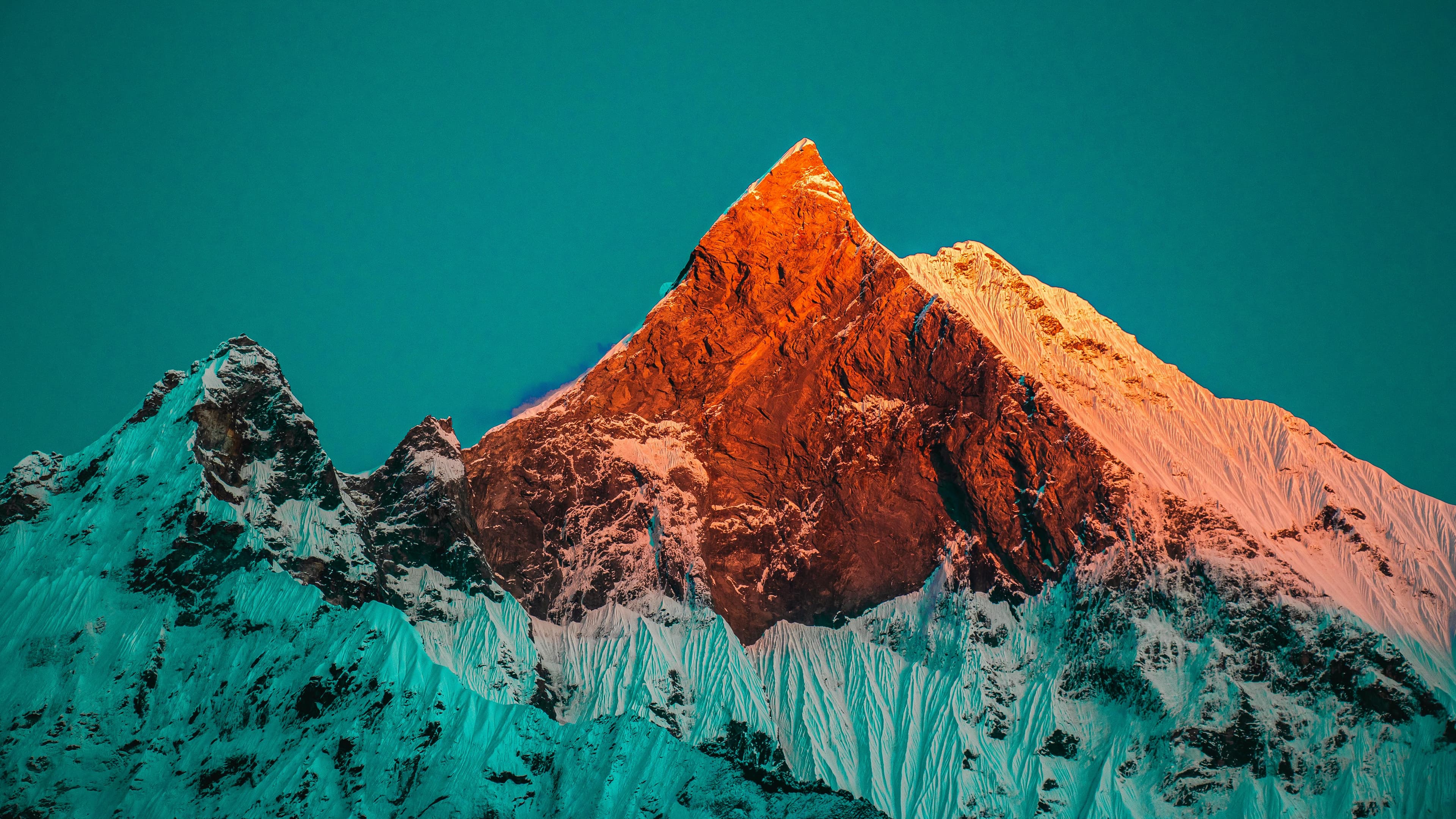
Nepal's Nepal Mountaineering Association (NMA) lists 33 trekking peaks open to permit-based climbing without full expedition requirements. Island Peak (Imja Tse, 6,189 m) in the Khumbu region and Mera Peak (6,476 m) east of the Everest trail are the two most attempted and together account for the majority of Nepal's high-altitude mountaineering permits. Both are classified as trekking peaks rather than technical expeditions, but do not be misled — both require crampons, ice axe, harness, fixed line ascending, and proper high-altitude acclimatisation. Island Peak features a final summit ridge with a 60-degree snow-ice face; Mera Peak has a gentler but longer summit glacier plateau.
Island Peak (Imja Tse, 6,189 m)
The standard route approaches from Chhukung (4,730 m) via Island Peak Base Camp (5,100 m) and High Camp (5,600 m). The summit push begins at midnight, with most parties reaching the top between 7 am and 10 am. The technical crux is a 200-metre headwall of mixed snow and ice fixed with ropes. On a clear day, the summit view takes in Lhotse's south face directly above — one of the most dramatic summit panoramas in the Khumbu.
Mera Peak (6,476 m)
Mera is the higher of the two and statistically has better summit success rates due to its more gradual approach. The standard route goes via Khare (5,050 m), Mera La (5,415 m), and High Camp (5,800 m). The summit glacier walk is long and exposed to wind but non-technical. Mera Central (the highest sub-summit) gives views of five of the world's six highest peaks simultaneously.
Permits and Cost
Island Peak permit: USD 250 per person (autumn season). Mera Peak permit: USD 135 per person. Guided packages including permit, all camping, meals, and acclimatisation rotations run USD 1,800 to USD 3,000 depending on group size and agency.
Planning this trip? 🎒
Don't stress about transport or guides. Sajilo offers verified cabs, luxury tourist buses, and expert guides across Nepal.
FAQ
Q: Do I need mountaineering experience to climb Island Peak?
Basic mountaineering skills are required — crampon use, ice axe arrest, and jumar ascending on fixed lines. Most guided operators run a half-day skills clinic at base camp. Trekkers with strong fitness and a good head for heights succeed regularly.
Q: What is the best season?
October–November is the primary season for both peaks. Spring (April–May) is also popular. Winter and monsoon seasons see very low success rates.
Q: How long does a guided Island Peak trip take?
A typical guided trip from Kathmandu takes 18 to 21 days including Everest Base Camp trekking for acclimatisation.