Culture
Patan Museum: A Complete Visitor's Guide
The Patan Museum inside the Royal Palace is Nepal's finest museum of sacred art, housing masterpieces of Newari bronze casting, stone sculpture, and woodcarving.
Overview
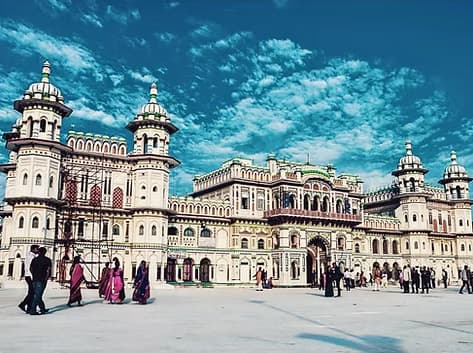
The Patan Museum occupies the Mul Chowk and Keshav Narayan Chowk sections of the historic Patan Royal Palace, directly on Patan Durbar Square in Lalitpur. Opened in 1997 after an extensive restoration supported by the Austrian government, it is universally acknowledged as Nepal's finest museum and one of the best museums of sacred art in Asia. The building itself — a 17th-century Malla palace courtyard — is as remarkable as the collection it houses.
The Collection
The museum's permanent collection of approximately 1,400 objects is organized thematically across two floors. All objects were collected from within Nepal and many are linked to active religious traditions.
Hindu Sacred Art
The Hindu galleries display stone and metal sculptures dating from the Licchavi period (c. 300–879 CE) through the Malla era (12th–18th century). Standout pieces include:
- A superb 10th-century Vishnu Vikrantha (depicting Vishnu's cosmic stride) in stone
- A gilded Bhairab mask used in processions
- A series of Shiva Lingas with beautifully carved Nandi attendants
Buddhist Sacred Art
Nepal's syncretic religious tradition means Hindu and Buddhist art developed side by side. The Buddhist galleries show:
Planning this trip? 🎒
Don't stress about transport or guides. Sajilo offers verified cabs, luxury tourist buses, and expert guides across Nepal.
- Bronze Bodhisattva figures, many of which were crafted in Patan workshops using the cire-perdue (lost-wax) technique
- Manuscript covers painted in the early medieval period
- Ritual objects including dorjes, bells, and butter-lamp holders
Metalwork
A dedicated gallery traces the evolution of Newari metalworking from simple cast forms to the elaborate gilded repoussé work of the 17th century. Explanatory panels explain the lost-wax and repoussé processes with clarity.
Woodcarving
The architectural woodcarving gallery includes removed elements from damaged temples — bracket figures (struts), window panels, and torana fragments — that would otherwise have been lost. These pieces illustrate the full vocabulary of Newari decorative carving.
The Palace Architecture
The museum building itself warrants close attention. The Keshav Narayan Chowk courtyard features a gilded shrine, elaborately carved wooden balconies, and stone work typical of peak Malla-period construction. The restoration followed traditional methods and materials wherever possible.
Practical Information
Hours: 10:30 a.m. to 5:00 p.m., closed Tuesdays and public holidays.
Entry fee: NPR 500 for foreigners (separate from the Patan Durbar Square ticket of NPR 1,000).
Audio guide: Available in English and several other languages; strongly recommended as labels are concise.
Photography: Permitted in most galleries without flash; tripods not allowed.
Time required: 1.5–2 hours for a thorough visit.
Tips for Visitors
- Visit the museum before exploring the square to gain context for what you will see outside.
- The rooftop terrace offers a good view over Patan Durbar Square and is included in the ticket.
- The museum shop stocks quality publications on Newari art and architecture not easily found elsewhere.
- Serious scholars should request access to the research library with advance notice.