Culture
Patan Durbar Square: The Complete Guide
Discover Patan Durbar Square, Lalitpur's jewel of Newari craftsmanship and the spiritual center of the ancient city of artists.
Overview
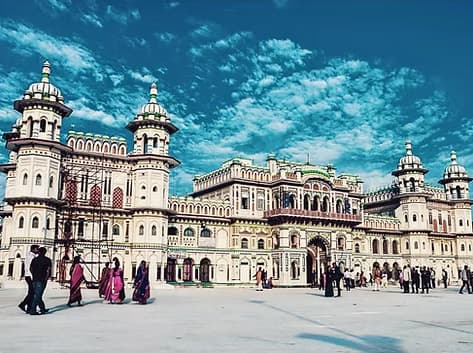
Patan Durbar Square lies at the center of Lalitpur (Patan), the city of artisans, immediately south of Kathmandu across the Bagmati River. Considered by many scholars to be the finest of the three Durbar squares in the Kathmandu Valley, Patan's square is a dense concentration of temples, courtyards, and royal structures that testify to the extraordinary artistic output of the Malla dynasty. The site is part of the UNESCO World Heritage Site designated in 1979.
History
Patan is one of the oldest cities in Nepal, with Buddhist stupas traditionally attributed to Emperor Ashoka's visit in the 3rd century BCE. The city's name Lalitpur — city of beauty — reflects its deep identification with fine arts and crafts. The Malla kings who ruled Patan from the 12th century onward were great patrons of art and architecture. After the kingdom split in the late 15th century, Patan's Malla rulers competed with Kathmandu and Bhaktapur in a building rivalry that filled the city with remarkable structures. Prithvi Narayan Shah conquered Patan in 1768, ending the Malla era.
Key Monuments
Krishna Mandir
Built in 1637 by King Siddhi Narsingha Malla, this shikhara-style stone temple is unique in the valley for its Indian-influenced architecture. Three storeys of stone porticos encircle the central shikhara, each carved with friezes depicting scenes from the Mahabharata and Ramayana. Krishna Mandir is an active place of worship visited daily by devotees.
Bhimsen Temple
This three-storey structure dedicated to Bhimsen, the patron deity of traders, stands at the northern end of the square. The ground floor is an open hall; the upper floors house the deity. The facade is richly gilded and the temple is important to the Newari merchant community.
Planning this trip? 🎒
Don't stress about transport or guides. Sajilo offers verified cabs, luxury tourist buses, and expert guides across Nepal.
Degutalle Temple
The personal deity temple of the Patan Malla kings, Degutalle is a three-storey pagoda adjoining the royal palace. Its torana depicts Taleju Bhawani, the tutelary goddess of the Malla dynasty.
Vishwanath Temple
Dedicated to Shiva, this 17th-century pagoda features elaborately carved struts depicting erotic scenes on the lower levels — a common Newari architectural tradition thought to ward off lightning. Stone elephants flank the entrance.
Hiranya Varna Mahavihar (Golden Temple)
A short walk north of the square, this 12th-century Buddhist monastery is one of Patan's most sacred sites. The courtyard holds a gilded three-storey shrine and the entire complex is covered with metalwork, woodcarving, and stone sculpture. A child from the Shakya community is selected every five years to tend the shrine.
Patan Museum
The former royal palace has been converted into the Patan Museum, widely regarded as the finest museum in Nepal (see separate guide).
Practical Information
Entry fee: Entry to Patan Durbar Square costs NPR 1,000 for foreigners. The Patan Museum has a separate ticket (NPR 500).
Getting there: Patan is accessible from Kathmandu by taxi (15–25 minutes), local microbus, or on foot via the pedestrian bridge at Pulchowk. No Bhaktapur-style city entry fee applies.
Best time to visit: Early morning or late afternoon for photography. The square is particularly beautiful during the Rato Machhindranath chariot festival (April–May) and Krishna Janmashtami.
Time required: Allow 3–4 hours for the square and museum; a full day if exploring surrounding courtyards and the Golden Temple.
Art and Craft Tradition
Patan's metalworkers have produced statues, ritual objects, and decorative items for centuries. The city is particularly known for dhoka (repoussé metalwork) and bronze casting using the lost-wax method. Many workshops are clustered around the Durbar Square and in the streets leading to it. Patan craftsmen have supplied temples across South and Southeast Asia.