Culture
Nuwakot Durbar: Guide to Prithvi Narayan Shah's Strategic Palace
Nuwakot Durbar, the seven-storey palace of Prithvi Narayan Shah in Nuwakot district, is one of Nepal's finest surviving examples of Newari palace architecture and a key site in the country's unification history.
Overview
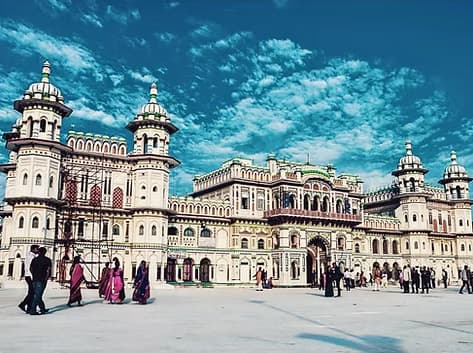
Nuwakot Durbar is a historic palace complex located in Nuwakot town (also called Nuwakot Bazaar) in Nuwakot district, approximately 75 kilometres northwest of Kathmandu. The palace is most famous as the base of operations from which Prithvi Narayan Shah, the founder of the unified Nepalese state, launched his conquest of the Kathmandu Valley in the 18th century. The seven-storey palace (Saat Tale Durbar) is the most prominent building in the complex and one of the tallest and most intact traditional palace structures surviving in Nepal outside the valley.
Historical Background
Nuwakot was a strategic town controlling access from the Trisuli valley — and ultimately from Tibet — to the Kathmandu Valley. Prithvi Narayan Shah, king of the Gorkha principality, recognized its strategic value and made its capture a priority. He first attacked Nuwakot in 1744 and failed; he succeeded in 1744 on a second attempt (some sources give 1744–1745 for the sequence of events). The capture of Nuwakot gave Gorkha control of trade routes and established a forward base from which to attack the valley kingdoms.
Prithvi Narayan Shah used Nuwakot extensively during the years of his valley campaign. He spent long periods here planning military operations and administering his growing territory. The durbar complex reflects the importance he placed on the town. After the valley's conquest in 1768–1769, Nuwakot remained significant as a waypoint but its strategic centrality declined.
The Palace Complex
Saat Tale Durbar (Seven-Storey Palace)
The centrepiece of the complex is the seven-storey palace, an extraordinary structure of brick and timber rising above the town. Each storey has characteristic Newari carved wooden windows that grow smaller as the storeys ascend. The ground floor contains storage spaces; upper floors were used for residence and administration. The palace is accessible; visitors may climb through the interior to reach the upper floors for views over the valley and the Trisuli River.
Planning this trip? 🎒
Don't stress about transport or guides. Sajilo offers verified cabs, luxury tourist buses, and expert guides across Nepal.
Bhairab Temple
A large and important Bhairab temple adjoins the palace complex. The Panchamukhi (five-faced) Bhairab image here is particularly significant and draws worshippers from the surrounding area.
Taleju Temple
The Taleju Bhawani temple in the Nuwakot complex reflects the Gorkha royal tradition of Taleju worship brought from the Malla tradition the kings absorbed as they conquered more of Nepal.
The Town
Nuwakot town has retained some of its traditional architecture, though the overall fabric is less complete than the valley towns. The hilltop setting offers excellent views.
Getting There
Nuwakot is 75 km from Kathmandu via the Prithvi Highway to Trisuli and then north. The journey takes 2.5–3 hours by car/taxi depending on road conditions. Public buses run from Kathmandu (New Bus Park) to Trisuli, from where local vehicles serve Nuwakot.
Practical Information
Entry fee: Small fee applies; check locally as it varies.
Best time: Dry season (October–April) when the road is reliable and views are clear.
Time required: The drive from Kathmandu means a full-day trip is recommended. Allow 2 hours at the site.
Accommodation: Basic guesthouses are available in Nuwakot town and in Trisuli for those wishing to stay overnight.