Culture
Newari Culture: The Ancient Civilization of the Kathmandu Valley
The Newars are the indigenous inhabitants of the Kathmandu Valley, with a sophisticated culture of art, architecture, festivals, and cuisine unlike anywhere else in Nepal.
Who Are the Newars?
The Newars are the indigenous people of the Kathmandu Valley, with a continuous civilization stretching back over two thousand years. They are not a single ethnic group but a cultural and linguistic community that has absorbed Hindu, Buddhist, and indigenous traditions into a seamlessly blended way of life. The historic cities of Kathmandu, Patan (Lalitpur), and Bhaktapur were built almost entirely by Newari craftsmen, whose woodcarving, metalwork, and stone sculpture skills remain unmatched in South Asia.
Newari Architecture
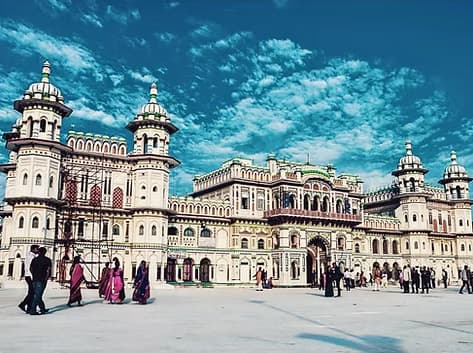
The signature Newari building style features tiered pagoda temples with carved wooden struts, latticed windows, and sloping roofs of fired clay tiles. Every courtyard in the old cities has at least one shrine. The ground floor of traditional Newari homes was used as a stable and storage, the middle floors for living, and the top floor for worship. The carved wooden peacock windows, strut deities, and torana gateways visible throughout the three cities represent a living museum of medieval artistry.
Newari Cuisine: A World of Its Own
Newari cuisine is sharply distinct from mainstream Nepali food. A full Newari feast, called Samay Baji, includes beaten rice, buffalo meat in various preparations including sukuti (dried meat) and kachila (raw spiced minced buffalo), black soybeans, black-eyed peas, ginger, turmeric egg, and aila (rice liquor). The Newari relationship with buffalo is central. Mo:mo, now ubiquitous across Nepal, is a Newari dish in origin.
Festivals and the Newari Calendar
The Newars have their own lunar calendar, Nepal Sambat, and celebrate a seemingly endless sequence of festivals throughout the year. Many of these, including Indra Jatra, Bisket Jatra, and Rato Machhendranath, are open to all of Nepal, but smaller guthi (social institution) ceremonies are restricted to community members. The guthi system, a form of collective community organization, organizes everything from festivals to funerals.
Planning this trip? 🎒
Don't stress about transport or guides. Sajilo offers verified cabs, luxury tourist buses, and expert guides across Nepal.
FAQ
Q: What language do Newars speak?
The Newari language, called Nepal Bhasa, is a Sino-Tibetan language unrelated to Nepali (which belongs to the Indo-Aryan family). Nepal Bhasa has a rich literary tradition and is experiencing a revival among younger Newars after decades of suppression during the Panchayat era.
Q: Where is the best place to experience Newari culture?
Bhaktapur is widely considered the best-preserved Newari city. Patan has an outstanding museum of Newari metalwork and art. In Kathmandu, the neighborhoods of Asan, Indrachowk, and Boudha retain strong Newari cultural life.
Q: Is Newari Buddhism different from Tibetan Buddhism?
Yes. Newari Buddhism is Vajrayana but maintains distinct priests called Bajracharyas, distinct monasteries called bahals, and a pantheon of deities specific to the Newar tradition. It has not been influenced by Tibetan monastic reform movements.