Trekking
Nepal Trek Photography Gear Guide: What to Bring in 2026
Nepal's landscapes demand serious photography gear, but lugging heavy kit to 5,000m ruins the experience. This guide covers the ideal photography setup for Nepal treks — weight vs quality trade-offs, lenses, and protection.
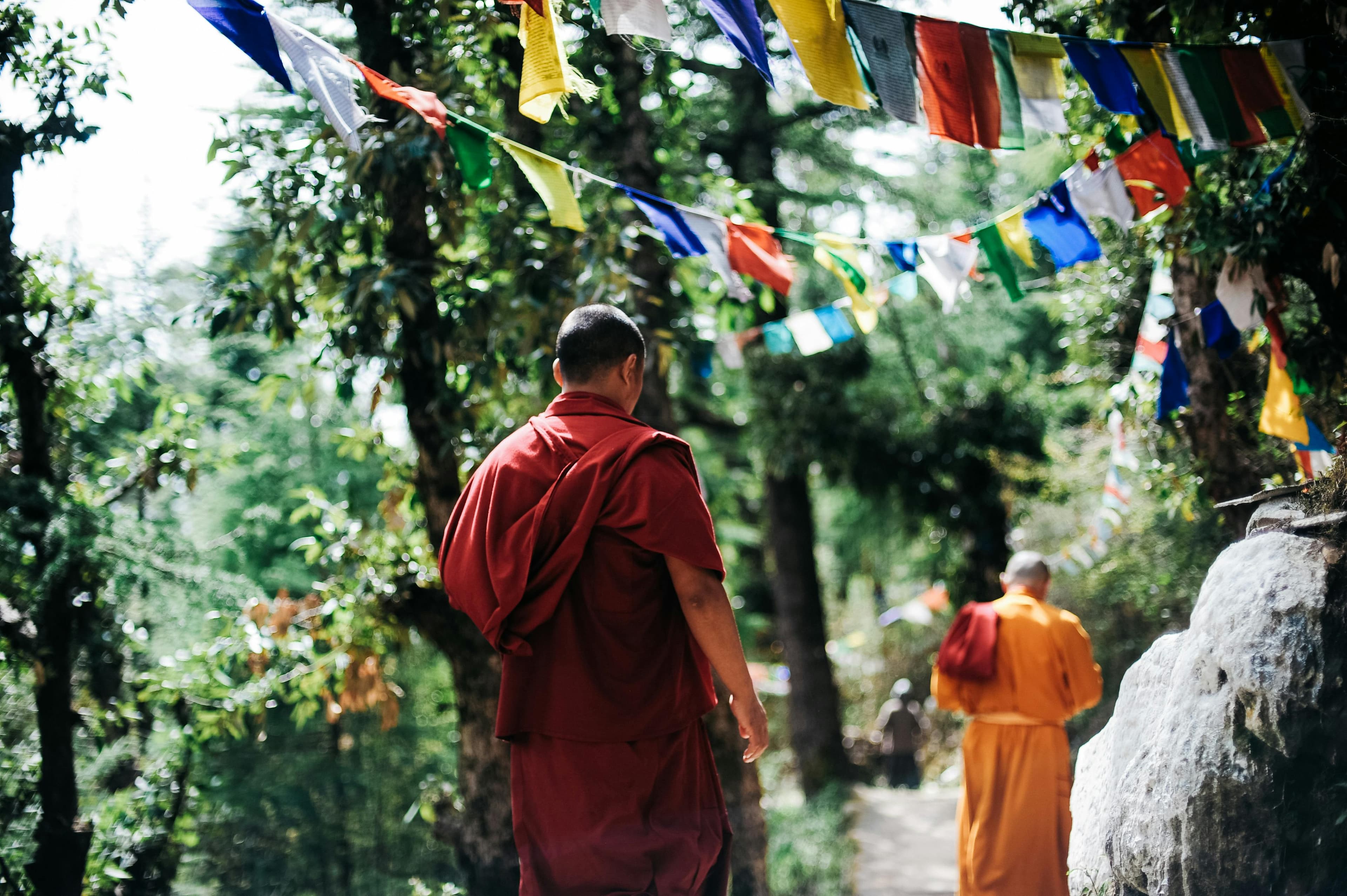
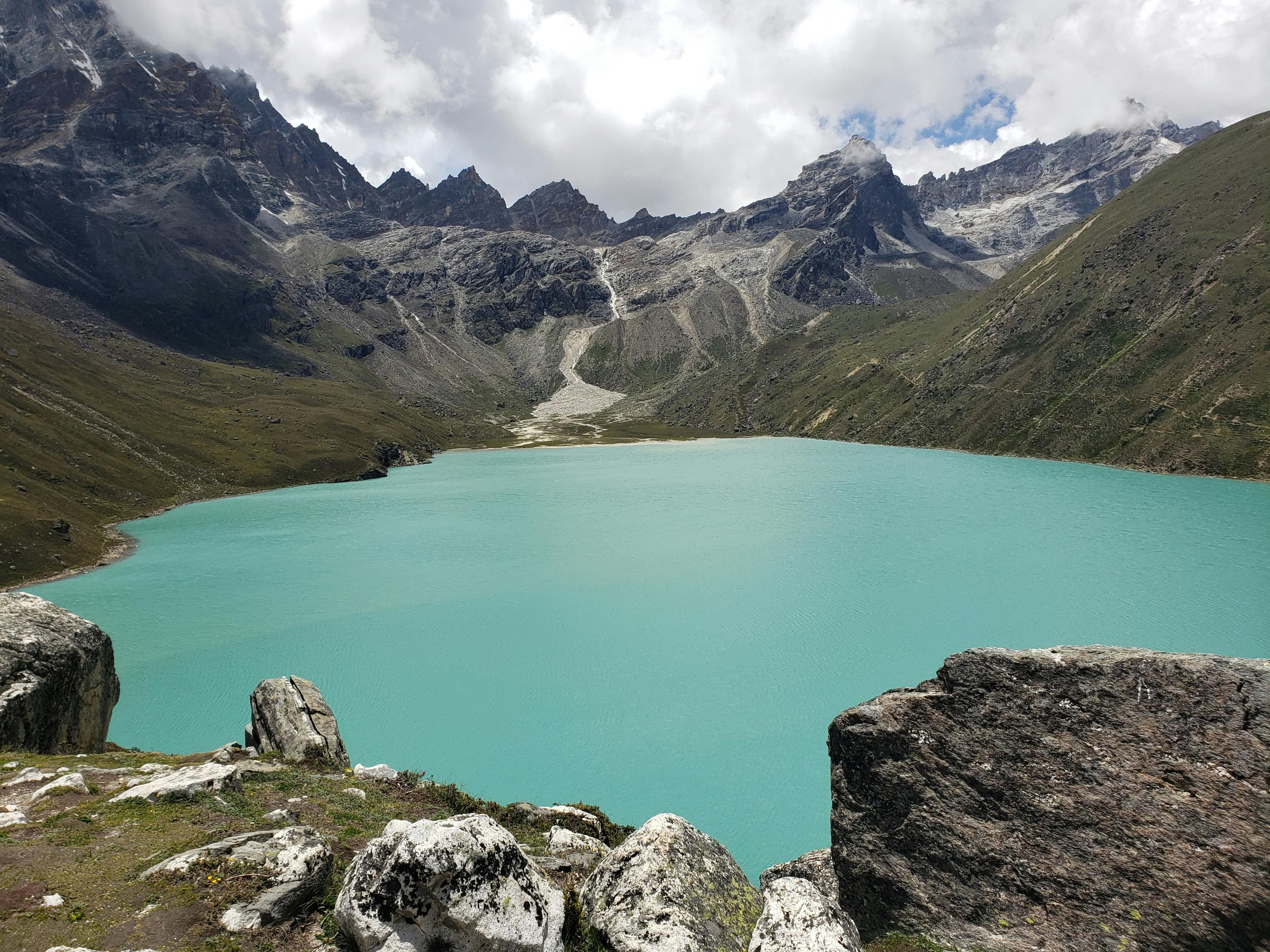
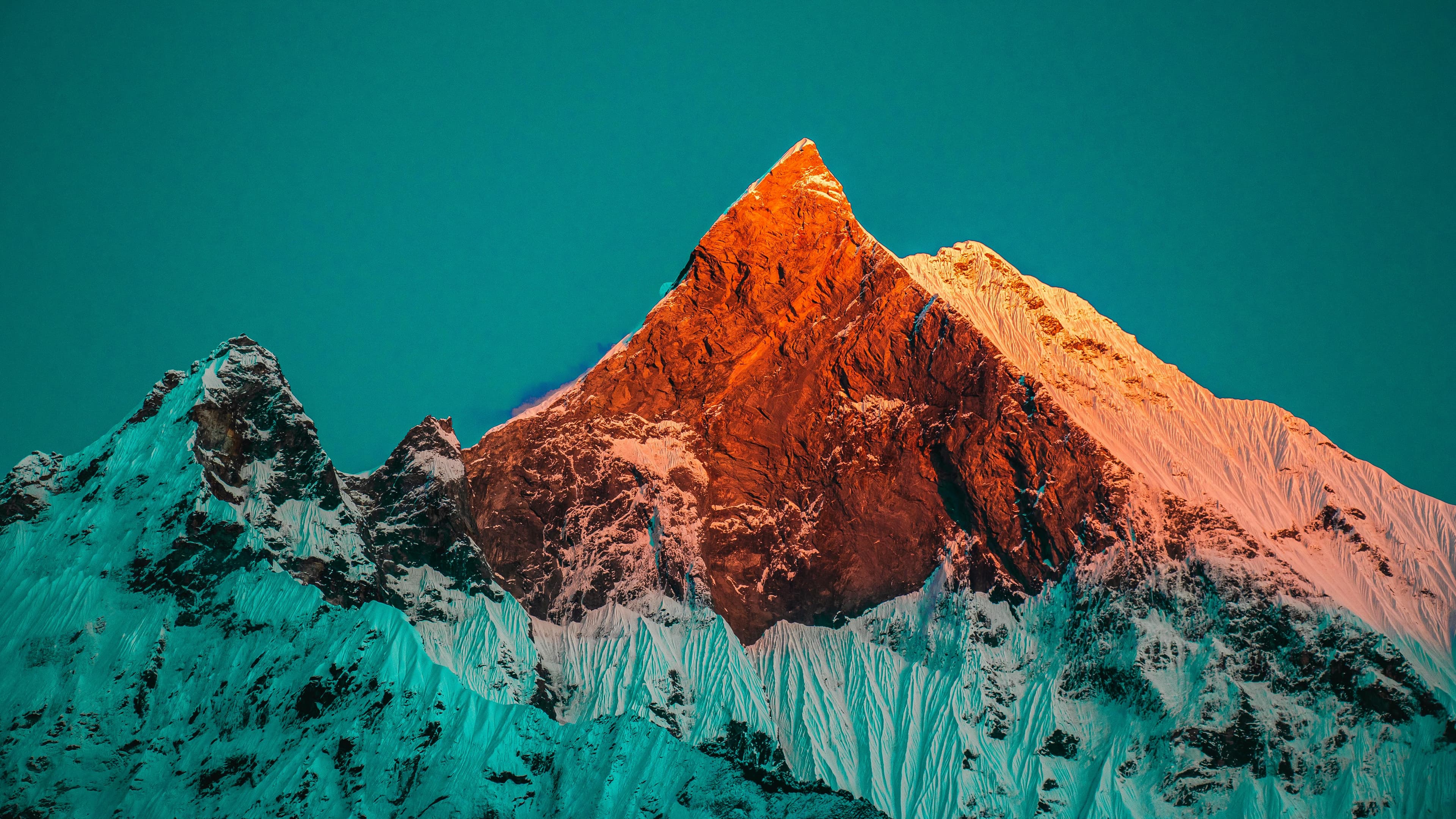
Nepal is among the world's most photographed landscapes — and with reason. From Everest sunrise on Kalapathar to prayer flags over Thorong La, the visual opportunities are extraordinary. But hauling heavy gear at altitude is its own punishment.
The Core Dilemma
Every kilogram you carry above 4,000m costs you energy and speed. The ideal trek photography kit is light, covers wide to telephoto, and can survive dust, rain, and -20°C nights.
Recommended Camera System
Mirrorless with weather sealing: Sony A7 IV, Fuji X-T5, OM System OM-5. Weather sealing is not optional above 4,000m — dust and unexpected weather are constant.
Smartphone backup: Pixel 8 Pro or iPhone 15 Pro — for quick shots when the main camera is in the pack.
Planning this trip? 🎒
Don't stress about transport or guides. Sajilo offers verified cabs, luxury tourist buses, and expert guides across Nepal.
Lens Selection
- One wide-angle (16–35mm equivalent): Landscape panoramas, tea house interiors
- One versatile zoom (24–105mm equivalent): 90% of your shots
- Optional telephoto (200–400mm): Wildlife at Kanchenjunga, wildlife at Chitwan if combined
Protection
- Waterproof camera bag dry liner (Sea to Summit, NPR 1,500–2,500)
- UV filter on all lenses — UV radiation at altitude is extreme
- Lens cleaning kit — trail dust is pervasive
Power Management
Batteries drain faster in cold — carry 2 spares per camera body. Power banks (20,000mAh) for charging at tea houses with limited electricity.
FAQ
Should I bring a drone to Nepal? Drones require a permit from the Civil Aviation Authority of Nepal — obtainable in Kathmandu. Inside national parks, drones are prohibited. For most trekkers, not worth the complexity.
How do I protect gear at -20°C? Sleep with your batteries and memory cards inside your sleeping bag. Cold kills battery capacity dramatically.
Is a mirrorless better than DSLR for Nepal? Weight advantage of mirrorless is significant on a 14-day trek. Weather-sealed mirrorless is the current standard for serious trek photography.