Culture
Nepal Sacred Lakes Pilgrimage Guide
Nepal's high mountains shelter dozens of sacred lakes that serve as pilgrimage destinations for both Hindus and Buddhists. This guide introduces the most important and how to reach them.
Overview
Nepal's Himalayas contain some of the world's highest sacred lakes, each with its own mythology, pilgrimage tradition, and festival calendar. Gosaikunda (4,380 m) in Langtang is the most visited Hindu pilgrimage lake, associated with Shiva. Tilicho Lake (4,919 m) in the Annapurna region is one of the highest lakes in the world and a stop on the Annapurna Circuit. Rara Lake (2,990 m) in Mugu district is the largest lake in Nepal and a remote wilderness destination. Phewa Lake in Pokhara, while lower at 827 metres, is considered sacred to the goddess Barahi whose temple sits on an island at its centre.
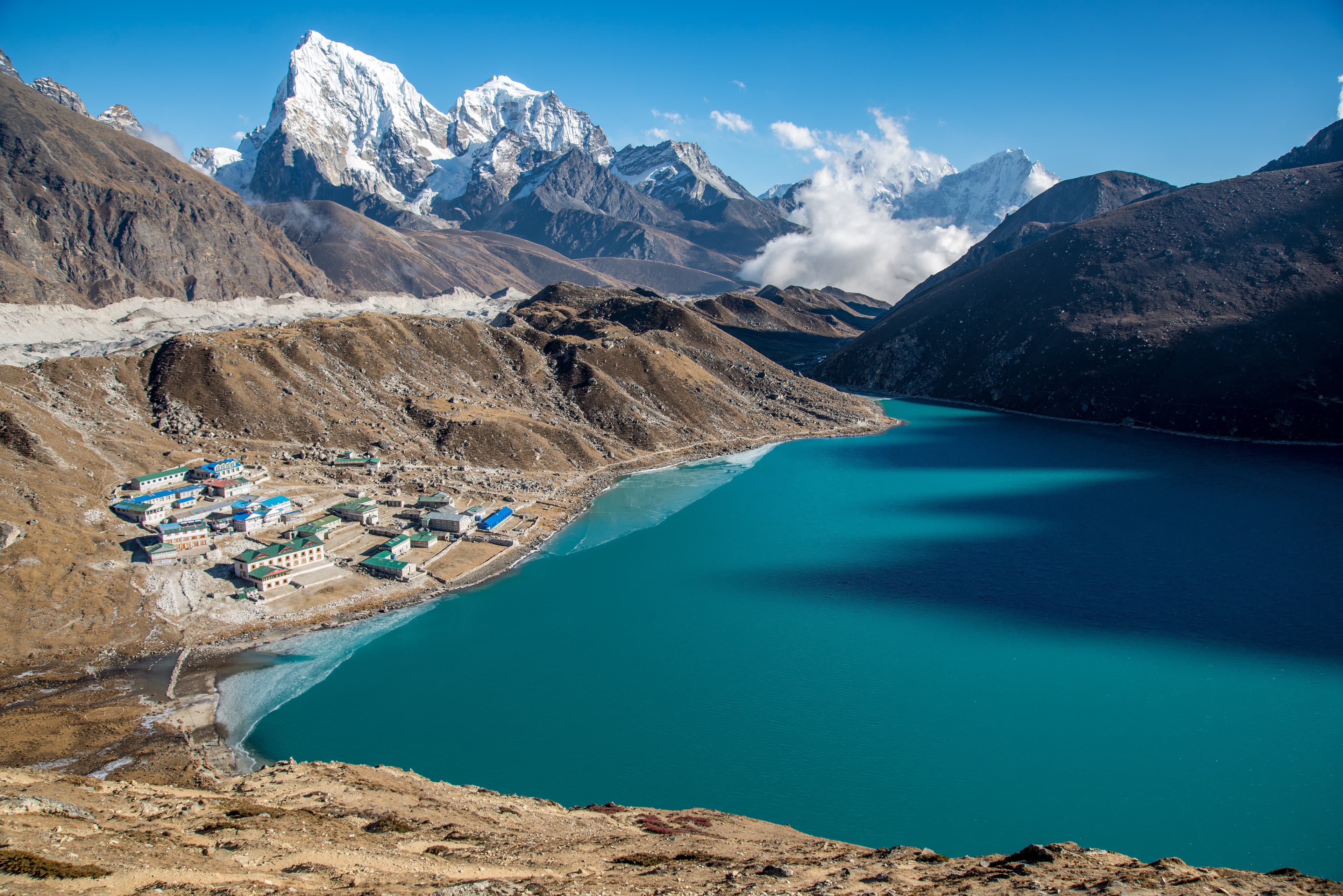
For Buddhist pilgrims, Dudh Kund (4,560 m) in the Solukhumbu district is a high sacred lake below Numbur peak, visited by Sherpa communities during an annual festival. Gokyo Lakes (fourth lake at 4,800 m) in the Khumbu are revered by Tibetan Buddhists and offer stunning views of Cho Oyu and Everest.
The pilgrimage tradition for most high lakes involves a circuit walk around the water (kora), ritual bathing, and the release of flower offerings onto the surface. Permits are required for most areas containing these lakes — check requirements with a registered agency.
FAQ
Which sacred lake in Nepal is easiest to reach?
Phewa Lake in Pokhara is the most accessible — it is within the city itself. Gosaikunda is the most popular high-altitude pilgrimage lake and reachable in two to three days of trekking.
Planning this trip? 🎒
Don't stress about transport or guides. Sajilo offers verified cabs, luxury tourist buses, and expert guides across Nepal.
Is swimming allowed in Nepal's sacred lakes?
Ritual bathing (full or partial immersion) is permitted and indeed encouraged at pilgrimage lakes. Recreational swimming or water sports are considered disrespectful at sacred sites.