Wildlife
Nepal National Parks and Protected Areas: Complete List for 2025
Nepal protects over 23 percent of its territory through 20 national parks, wildlife reserves, and conservation areas — here is your complete reference.
Overview
Nepal has established one of the most impressive protected area networks in Asia relative to its land area. The country protects 23.23 percent of its territory — approximately 34,186 square kilometres — through a system of 20 protected areas comprising national parks, wildlife reserves, conservation areas, and hunting reserves. This network spans the entire altitude gradient from the Terai lowlands to the highest Himalayan peaks, covering every major ecological zone.
National Parks (12)
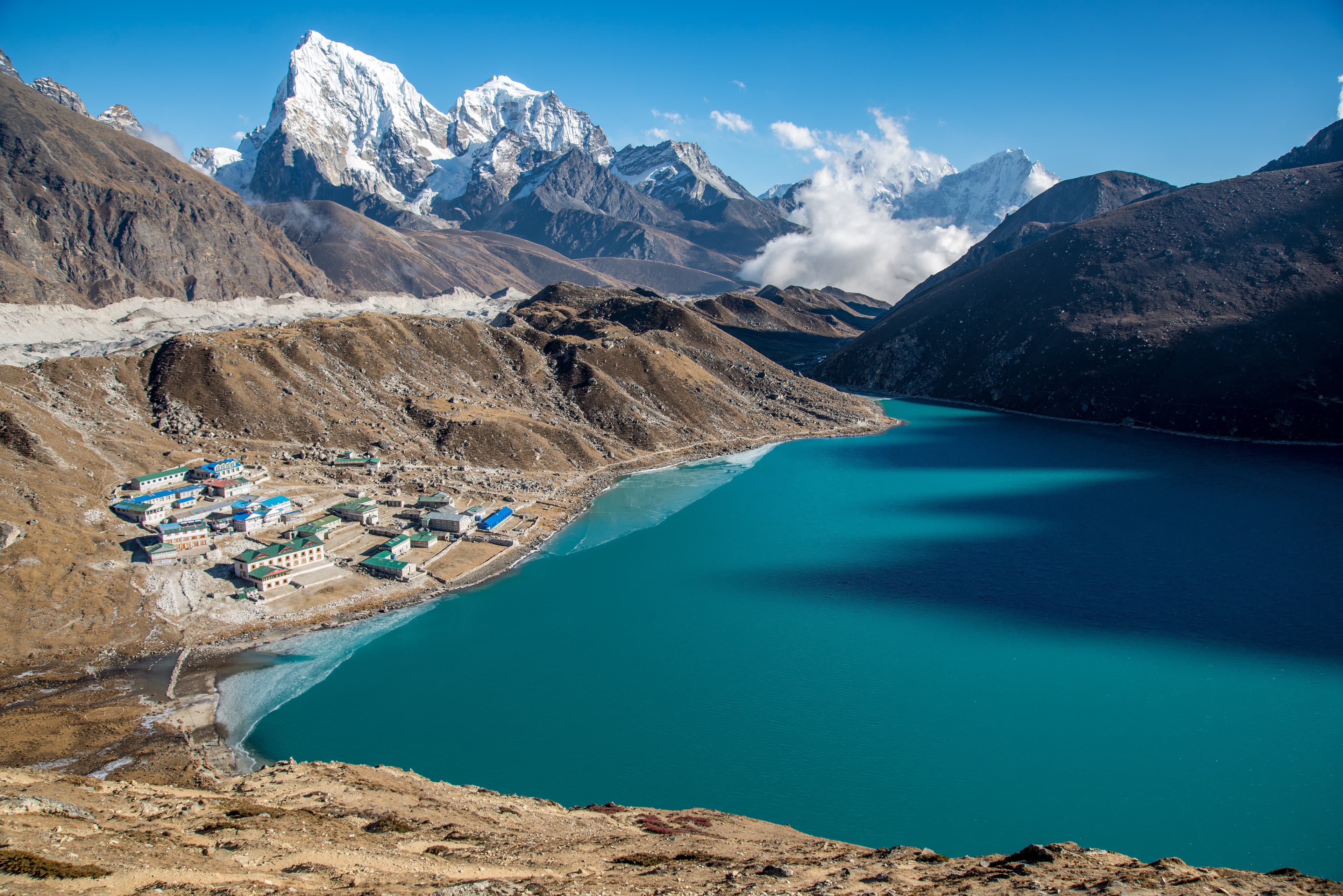
Nepal's 12 national parks provide the highest level of legal protection. The most visited are Chitwan (932 km²) in the Terai, Sagarmatha (1,148 km²) in the Khumbu, and Langtang (1,710 km²) above Kathmandu. Bardiya (968 km²) in the far west is Nepal's largest national park by protected core. Makalu-Barun (1,500 km²) in the eastern Himalayas contains exceptional biodiversity including multiple rhododendron species found nowhere else. Rara (106 km²) protects Nepal's largest lake and surrounding forests in Karnali Province.
Wildlife Reserves (6)
Wildlife reserves permit limited human settlement and resource use. Koshi Tappu (175 km²) is Nepal's most important wetland reserve. Shuklaphanta (305 km²) in the far southwest contains the world's largest population of swamp deer and a growing tiger population. Parsa (499 km²) adjacent to Chitwan forms a critical elephant corridor.
Conservation Areas (2)
The Annapurna Conservation Area (7,629 km²) and Kanchenjunga Conservation Area (2,035 km²) are community-managed landscapes where human settlement and sustainable land use are integrated with conservation goals. Both are managed by NTNC (National Trust for Nature Conservation) rather than the Department of National Parks.
Planning this trip? 🎒
Don't stress about transport or guides. Sajilo offers verified cabs, luxury tourist buses, and expert guides across Nepal.
Buffer Zones and Corridors
Each protected area is surrounded by a legally designated buffer zone where communities can engage in sustainable forestry, ecotourism, and farming. Buffer zones connect parks into the Terai Arc Landscape, allowing tigers, elephants, and rhinos to migrate between Nepal and India across a 1,200-kilometre corridor.
FAQ
Q: Which Nepal national park has the most biodiversity?
Chitwan National Park records the highest number of species overall due to its subtropical habitat and long-term conservation record. However, Makalu-Barun National Park may have the greatest plant diversity, and Koshi Tappu holds the highest concentration of waterbird species.
Q: Are all Nepal national parks open to tourists?
Most national parks are open to visitors with appropriate permits. Some areas within parks require additional restricted area permits (Upper Mustang, Upper Dolpo). The inner sanctuary of Kangchenjunga requires prior permission and is limited to organised trekking groups.
Q: How do Nepal national park fees compare to other countries?
Nepal's park entry fees are modest by international standards. Chitwan and Sagarmatha charge NPR 1,500 (approximately USD 11) per day for foreigners. These fees fund park operations, ranger salaries, and community benefit programmes in buffer zones.