Destinations
Nepal Lakes Complete Guide
Nepal holds over 5,000 lakes ranging from the famous Phewa and Rara to high-altitude glacial tarns above 5,000m. Here is a guide to the most accessible and most beautiful.
Overview
Nepal's lakes divide broadly into three categories: Terai and valley lakes accessible by road, mid-altitude lakes accessible by short trek or road, and high-altitude glacial lakes on trekking routes.
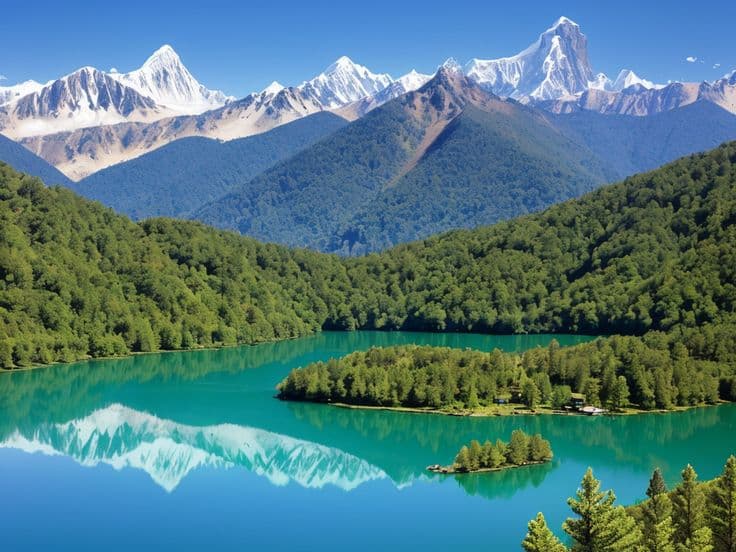
The most famous road-accessible lakes are Phewa Lake (Pokhara, 827m), Nepal's most visited; Begnas and Rupa lakes (Pokhara valley, quieter alternatives); and Taudaha near Kirtipur in the Kathmandu Valley (a small wetland with migratory ducks). Rara Lake (Karnali Province, 2,990m) is Nepal's largest and deepest, accessible by small aircraft to Talcha. Shey Phoksundo (Dolpa, 3,612m) is the deepest lake in Nepal, turquoise and surrounded by grey desert rock.
On trekking routes, Gosaikunda (3,753m) on the Langtang and Helambu circuit is a Hindu and Buddhist pilgrimage lake surrounded by high ridges. Tilicho Lake (4,919m) on the Annapurna Circuit is one of the highest lakes in the world accessible by trail. The Gokyo lakes (4,700-5,000m) in the Everest region are five interconnected glacial tarns with Cho Oyu and Everest views.
Sajilo can support your transport around the Pokhara valley lakes including Begnas and the quieter western shore of Phewa, making a full day of lake exploration practical.
Planning this trip? 🎒
Don't stress about transport or guides. Sajilo offers verified cabs, luxury tourist buses, and expert guides across Nepal.
FAQ
Which Nepal lake is most worth the effort to reach?
Rara Lake for the combination of accessibility (small aircraft) and beauty (alpine setting, remarkable colour). Shey Phoksundo for sheer drama if the longer trek investment is possible.
Can I swim in Nepal's lakes?
Phewa and Begnas are suitable for swimming. Most high-altitude glacial lakes are extremely cold. Gosaikunda is a pilgrimage site where swimming is considered inappropriate.