Trekking
High Altitude Camping in Nepal: Sleeping Under the Stars at 5,000m
Wild camping at altitude in Nepal reveals a profound silence and a sky full of stars that no teahouse can replicate.
Overview
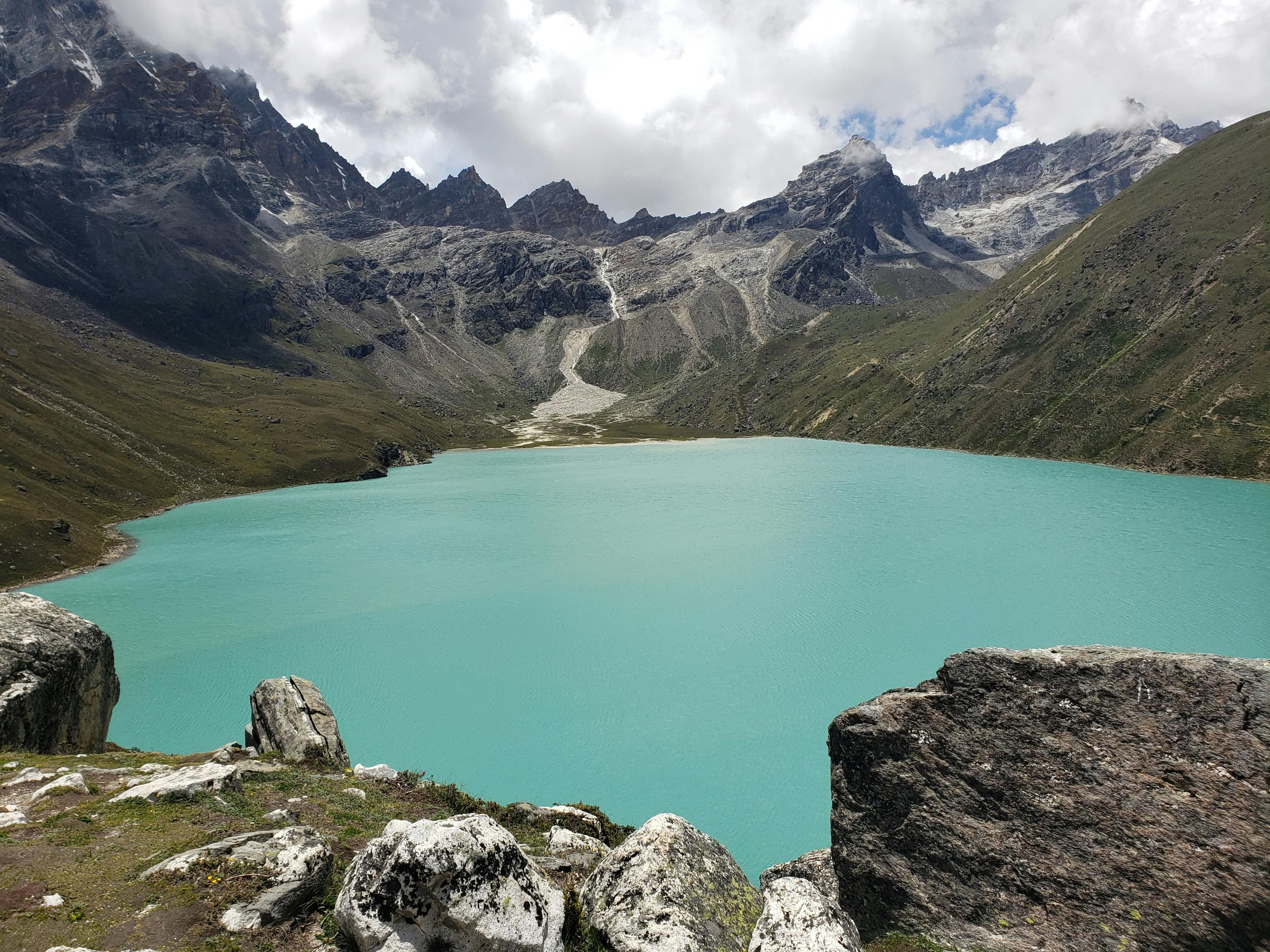
Nepal's teahouse trekking culture is legendary, but for those willing to carry camping equipment the experience shifts entirely. Camping above 4,000 metres in Nepal means cold, clear nights with a Milky Way so dense it appears almost solid, absolute silence broken only by glacier sounds, and a private connection with the landscape that shared teahouse dormitories cannot provide. The most rewarding camping zones are the Gokyo Lakes area (4,750 m), the Annapurna Base Camp glacier moraines (4,130 m), and the wilderness plateau around Tilicho Lake (4,919 m) in the Annapurna rain shadow.
Equipment for High Altitude Camping
Your sleeping bag must be rated to at least -15 degrees Celsius — altitude camping temperatures drop to -20 °C in October and colder in winter. A four-season tent designed for wind loading is essential; the standard dome tents available in Thamel are inadequate above 4,500 metres in any real wind. A closed-cell foam sleeping pad layered under an inflatable mat provides the insulation your sleeping bag alone cannot deliver from the cold ground. A quality three-season cook kit with a high-altitude gas canister valve — standard butane mix burns poorly above 4,000 m; use isobutane or a liquid fuel stove — is needed for hot meals.
Water at Altitude
Glacial meltwater streams are plentiful in most camping zones but must be treated. A gravity filter combined with iodine or chlorine tablets is the standard backcountry setup. Boiling at altitude requires longer times — water boils at approximately 86 °C at 5,000 m, which kills most pathogens but requires a full rolling boil for at least 3 minutes.
Leave No Trace
Nepal's high-altitude ecosystems are fragile and slow to recover. Use a trowel to bury human waste at least 200 m from water and 60 m from the trail. Carry out all rubbish including food packaging. Never light open fires above the treeline — use a stove exclusively. This is not only good practice but legally required within national park boundaries.
Planning this trip? 🎒
Don't stress about transport or guides. Sajilo offers verified cabs, luxury tourist buses, and expert guides across Nepal.
FAQ
Q: Do I need a permit to camp in national parks?
Yes. Camping within Sagarmatha and Annapurna national parks requires the standard entry permit (ACAP or SAGAP) plus a camping fee paid at the park entry checkpoint. Fees are modest — NPR 500 to NPR 1,000 per night per person.
Q: Can I rent high-altitude camping gear in Kathmandu?
Yes. Thamel gear shops rent four-season sleeping bags, tents, and cook kits. Quality varies — inspect every item carefully and test zips and tent poles before setting out. Rental cost is typically NPR 300 to NPR 600 per item per day.
Q: How do I acclimatise before camping at 5,000m?
Follow the standard rule: do not ascend more than 300–500 metres of sleeping altitude per day above 3,000 metres. Build in rest days at Namche (3,440 m), Dingboche (4,360 m), or Manang (3,519 m) before pushing to high camping zones.