Culture
Nepal's UNESCO World Heritage Sites: A Complete Guide
Nepal has ten UNESCO World Heritage Sites — seven cultural monuments in the Kathmandu Valley and three natural sites including Chitwan and Sagarmatha National Parks. Each is a world-class destination.
Nepal punches far above its size in UNESCO World Heritage recognition — ten inscribed sites covering ancient monuments, sacred birthplaces, and some of the world's most important biodiversity zones.
The Kathmandu Valley (1979)
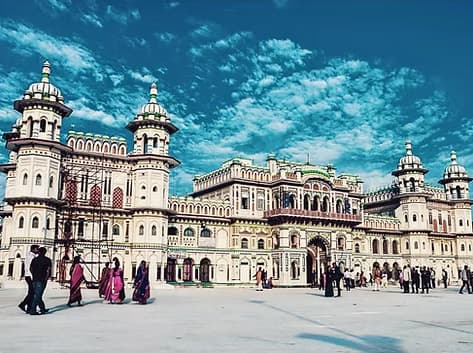
The Kathmandu Valley site encompasses seven monument zones: Hanuman Dhoka (Kathmandu's historic royal square), Patan Durbar Square, Bhaktapur Durbar Square, Changu Narayan temple, Boudhanath Stupa, Swayambhunath Stupa, and Pashupatinath Temple. Together they represent over 1,500 years of continuous religious art and architecture from the Licchavi through the Malla and Shah periods. The site was placed on UNESCO's List of World Heritage in Danger in 2003 due to uncontrolled development and was removed in 2007 following restoration work — then partially damaged in 2015 and recovered again.
Sagarmatha National Park (1979)
Sagarmatha National Park encompasses the Khumbu region including Everest and eight other peaks above 7,000m. The park protects the snow leopard, red panda, Himalayan tahr, and over 100 bird species alongside the cultural landscape of Sherpa communities. Trekking to Everest Base Camp passes entirely through the park.
Chitwan National Park (1984)
Nepal's first national park, established in 1973, protects the Terai's last remaining subtropical forest and grassland ecosystem. It hosts one of the world's most successful wildlife conservation stories: the one-horned rhinoceros population has recovered from near-extinction (under 100 animals in the 1960s) to over 700 today. Bengal tigers, gharial crocodiles, and Gangetic dolphins are among the flagship species.
Planning this trip? 🎒
Don't stress about transport or guides. Sajilo offers verified cabs, luxury tourist buses, and expert guides across Nepal.
Lumbini (1997)
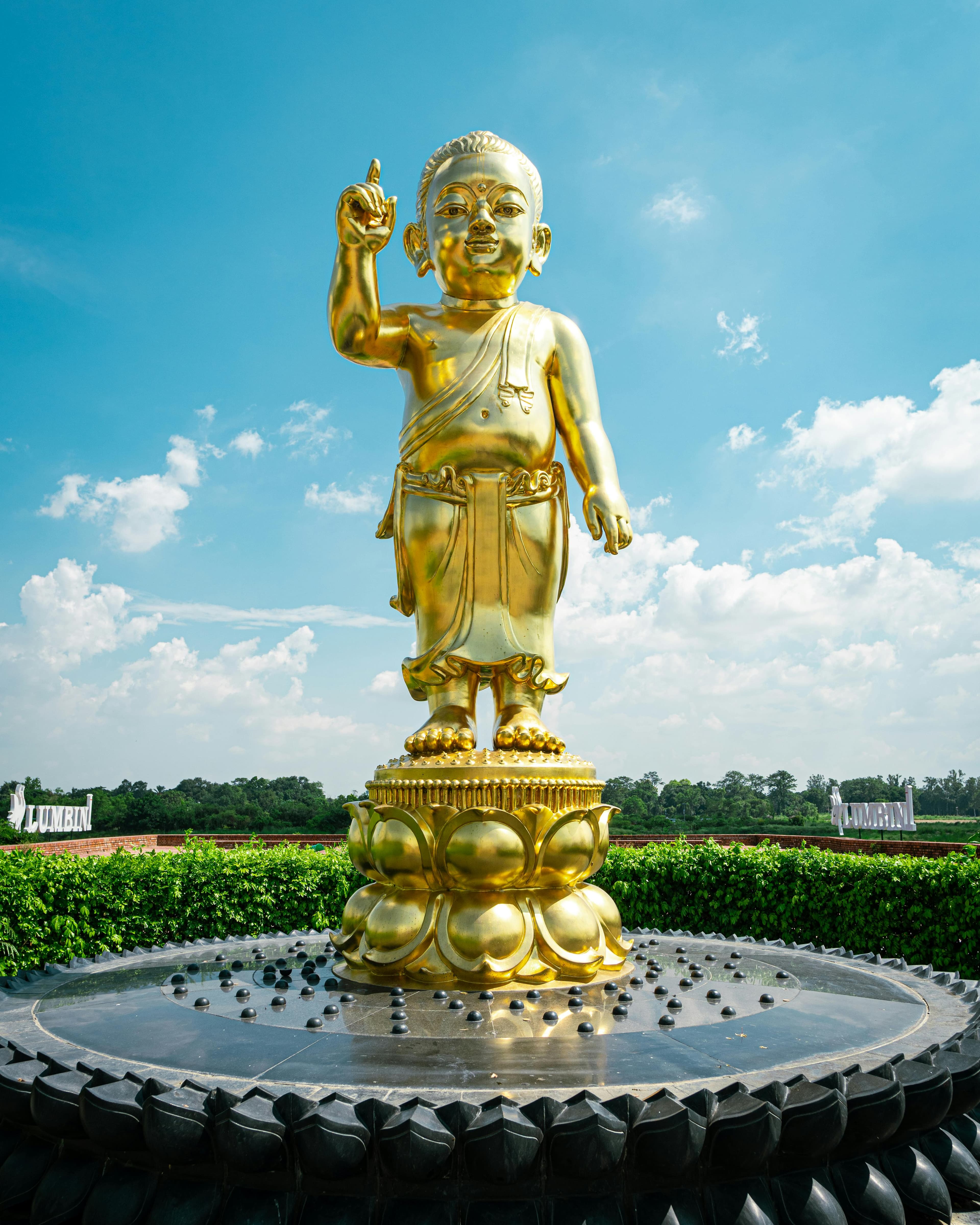
Lumbini, in Nepal's western Terai, is the birthplace of Siddhartha Gautama (the historical Buddha), born around 563-480 BCE. The Mayadevi Temple marks the exact birth spot, confirmed by the Ashoka Pillar inscribed in 249 BCE. The Lumbini Development Zone contains monasteries built by Buddhist nations from Japan and China to Sri Lanka and Germany — a remarkable landscape of international Buddhist architecture. Lumbini is one of the most important pilgrimage sites in all of Asia.
Bardia and Khaptad (Tentative)
Nepal also maintains several tentative list sites including Bardia National Park (rhino and tiger habitat in the far western Terai) and Khaptad National Park (subalpine plateau in the far west).
FAQ
How many UNESCO sites does Nepal have? Nepal has ten inscribed UNESCO World Heritage Sites — two natural (Sagarmatha and Chitwan), one mixed (Lumbini), and seven cultural (Kathmandu Valley sites).
Is Lumbini really the birthplace of Buddha? The Ashoka Pillar at Lumbini, erected in 249 BCE, explicitly identifies the site as the birthplace of Siddhartha Gautama (Buddha). This is the strongest historical documentation available for any claimed Buddha birthplace.
Can I visit all ten heritage sites in one trip? A dedicated three-week trip could cover all ten: Kathmandu Valley sites (2-3 days), Sagarmatha trek (14 days), Chitwan (2 days), and Lumbini (1-2 days via Bhairahawa), linked by Sajilo's intercity transport.