Culture
Nepal Ancient History: From Licchavi to Malla
Nepal's recorded history stretches back nearly two millennia, through the art-rich Licchavi period and the culturally brilliant Malla kingdoms that shaped Kathmandu Valley into a world heritage landscape.
Nepal's documented history begins with the Licchavi dynasty around the 4th century CE, though human habitation of the Kathmandu Valley dates back at least 11,000 years.
The Kirat Period (Before 300 CE)
The Kiratis — ancestors of today's Rai and Limbu peoples — were the first historically recorded rulers of the Kathmandu Valley. Ancient Hindu texts including the Mahabharata and the Puranas mention the Kirats as a mountain people east of the Himalayas. Legendary Kirat kings include Yalambar, said to have fought in the Mahabharata war on the side of the Kauravas.
The Licchavi Dynasty (300-879 CE)
The Licchavis transformed Nepal. Originally from the Vaishali region of India, they established a sophisticated state in the Kathmandu Valley. Their artisans created the stone sculpture tradition still visible in Changu Narayan temple — UNESCO-listed as Nepal's oldest surviving temple complex. The Licchavis fostered trade and pilgrimage along the India-Tibet route, and their kings built the first great stupas and stone temples that would evolve into Nepal's world heritage monuments. King Manadeva I (464-505 CE) is the first Nepali ruler attested by stone inscriptions, recording military campaigns and temple constructions that shaped the valley.
The Thakuri Period (879-1200 CE)
After the Licchavis, the Thakuri dynasty continued the tradition of Hindu-Buddhist syncretism that distinguishes Nepal from both India and Tibet. This period saw the refinement of the Pashupati temple complex and the establishment of Changu Narayan as a centre of Vaishnava worship.
Planning this trip? 🎒
Don't stress about transport or guides. Sajilo offers verified cabs, luxury tourist buses, and expert guides across Nepal.
The Malla Dynasty (1200-1768 CE)
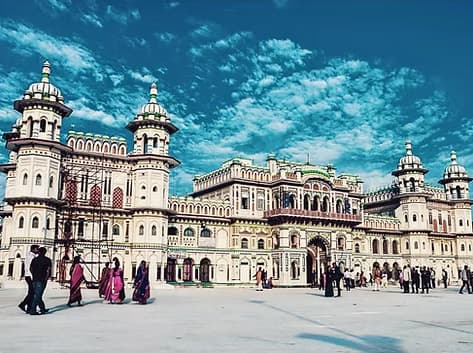
The Mallas transformed medieval Nepal into one of Asia's great cultural centres. Three competing city-states — Kathmandu, Patan, and Bhaktapur — each built magnificent Durbar Squares with intricately carved wood-and-brick temples, palaces, and public spaces. The rivalry between the three cities drove artistic excellence: each kingdom tried to outbuild and outshine the others. The result was the extraordinary concentration of art and architecture that today constitutes UNESCO's Kathmandu Valley World Heritage Site.
FAQ
What ended the Malla period? Prithvi Narayan Shah of Gorkha conquered the Kathmandu Valley between 1765-1769, unifying Nepal under a single ruler and ending the three-way Malla competition.
Are Licchavi-period sculptures still visible in Nepal? Yes — the Changu Narayan temple complex preserves some of the finest Licchavi stone sculptures in situ, including 5th-7th century panels of Vishnu, Garuda, and other deities.
What language did the Mallas speak? The Mallas used Nepal Bhasha (Newari) as their court language alongside Sanskrit for religious texts. Newari remains spoken today by the Newar people of the Kathmandu Valley.