Culture
The Malla Dynasty: Medieval Nepal's Creative Peak
The Malla rulers of the Kathmandu Valley presided over Nepal's most productive artistic period. Their competitive city-states produced the temples, palaces, and festivals that still define Nepali culture today.
The Malla dynasty ruled the Kathmandu Valley from approximately 1200 to 1769 CE — over five and a half centuries that represent the apex of Newar artistic and architectural achievement.
Overview
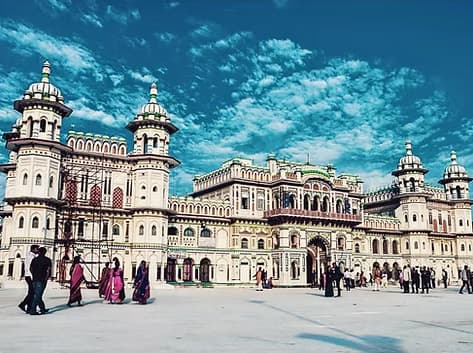
The name Malla (meaning wrestler in Sanskrit) was first used by King Ari Malla in the 13th century. The dynasty reached its political peak under Sthithi Malla (1382-1395), who codified Nepal's Hindu caste system and standardised weights and measures across the valley. After his reign, the valley split into three competing kingdoms — Kathmandu, Patan, and Bhaktapur — each ruled by a branch of the Malla family. This fragmentation was artistically productive: each king commissioned temples, palaces, and public monuments to outshine his rivals. Yaksha Malla of Bhaktapur built the 55-Window Palace. Pratap Malla of Kathmandu claimed to speak 15 languages and composed Sanskrit poetry on palace walls still legible today. The Mallas introduced or elaborated Nepal's major festivals: Indra Jatra, Bisket Jatra, and the Kumari tradition. They also commissioned the production of illuminated manuscripts in Nepal Bhasha and Sanskrit — some of the oldest surviving Himalayan manuscripts.
FAQ
What ended the Malla period? Prithvi Narayan Shah of Gorkha captured all three Malla capitals between 1765-1769, unifying Nepal under a single Shah ruler.
What is the best-preserved Malla Durbar Square? Many experts consider Patan's Durbar Square the best-preserved, with its Krishna Mandir (built 1637), Bhimsen Temple, and collection of Licchavi and Malla-period sculptures in the adjacent museum.
Planning this trip? 🎒
Don't stress about transport or guides. Sajilo offers verified cabs, luxury tourist buses, and expert guides across Nepal.