Culture
Maghe Sankranti: Nepal's Winter Solstice Festival of Warmth and Renewal
Maghe Sankranti marks the end of the coldest month in the Nepali calendar with ritual bathing, sesame sweets, and gatherings at sacred river confluences.
Overview
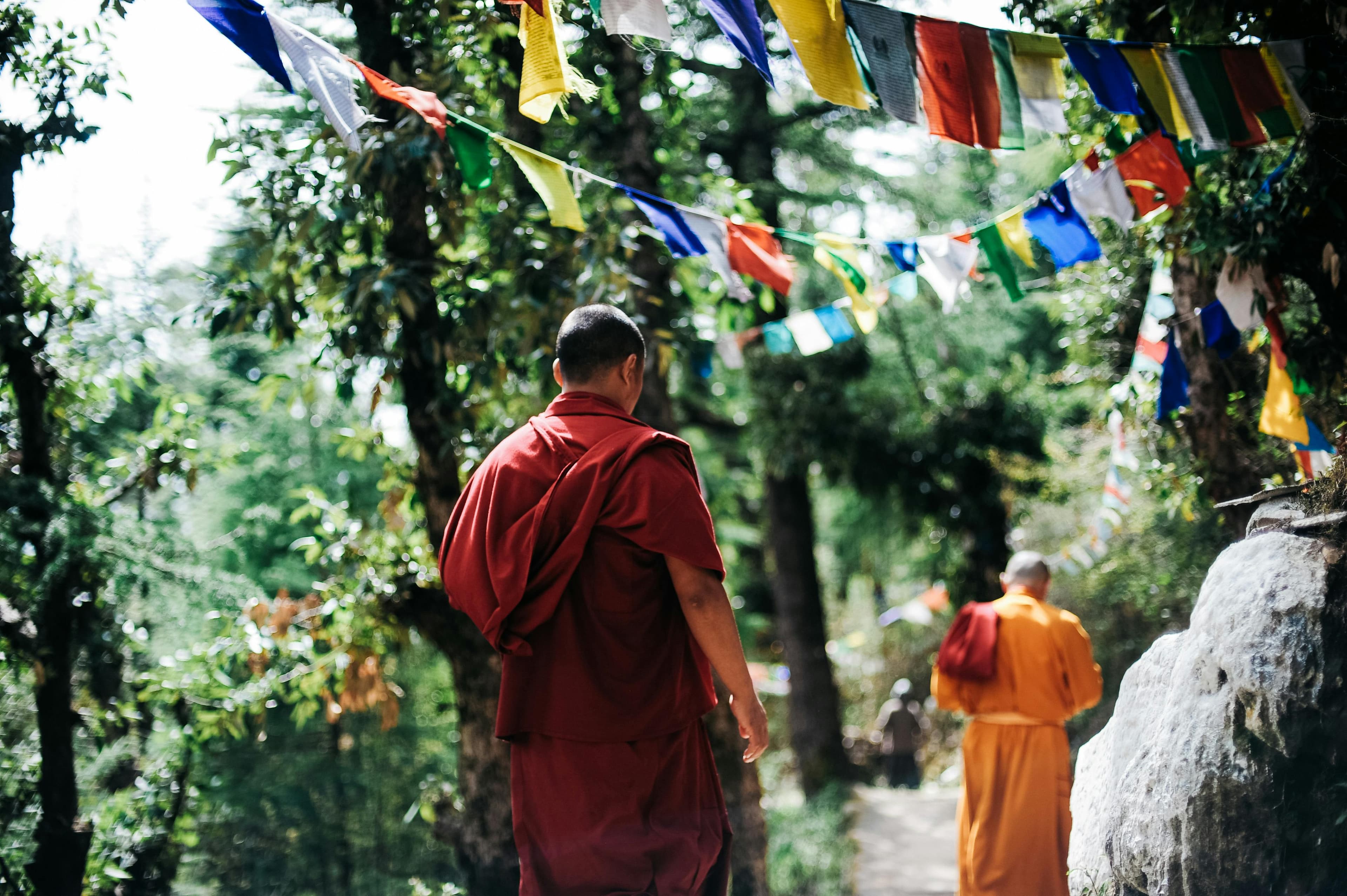
Maghe Sankranti falls on the first day of the Nepali month of Magh, which corresponds to January 14 or 15 in the Gregorian calendar. It marks the sun's northward journey, a turning point after the darkest days of winter. Across Nepal, the festival is observed with ritual bathing at river confluences. The most sacred is Devghat in Chitwan, where the Trishuli and Kaligandaki rivers meet. Tens of thousands of pilgrims descend on Devghat to bathe in the icy water at dawn, believing it washes away the sins of the past year. The feast on this day is specific and intentional: yam, ghee, chaku (hardened molasses), sesame, spinach, and sweet potato are all eaten together in a single meal. Each ingredient is associated with warmth and vitality needed to survive the winter. In the Terai, the festival merges with Makar Sankranti traditions from across the border, with kite-flying and molasses sweets. The day is also the Tharu community's New Year, celebrated with dances and drumming in the villages of Bardiya and Chitwan.
FAQ
Q: Why are sesame and chaku eaten on Maghe Sankranti?
Sesame and chaku (jaggery) are both heating foods in Ayurvedic tradition. They are believed to generate internal warmth and strengthen the body during the coldest month. The combination has been part of the Maghe Sankranti feast for centuries.
Q: Is Devghat accessible for tourists?
Planning this trip? 🎒
Don't stress about transport or guides. Sajilo offers verified cabs, luxury tourist buses, and expert guides across Nepal.
Yes. Devghat is located near Bharatpur in Chitwan and is easily reached from Chitwan National Park. During Maghe Sankranti, the area is crowded but accessible by road. The experience of watching dawn bathing at the river confluence is extraordinary.