Destinations
Lumbini Full Day: Peace Zone Complete Guide
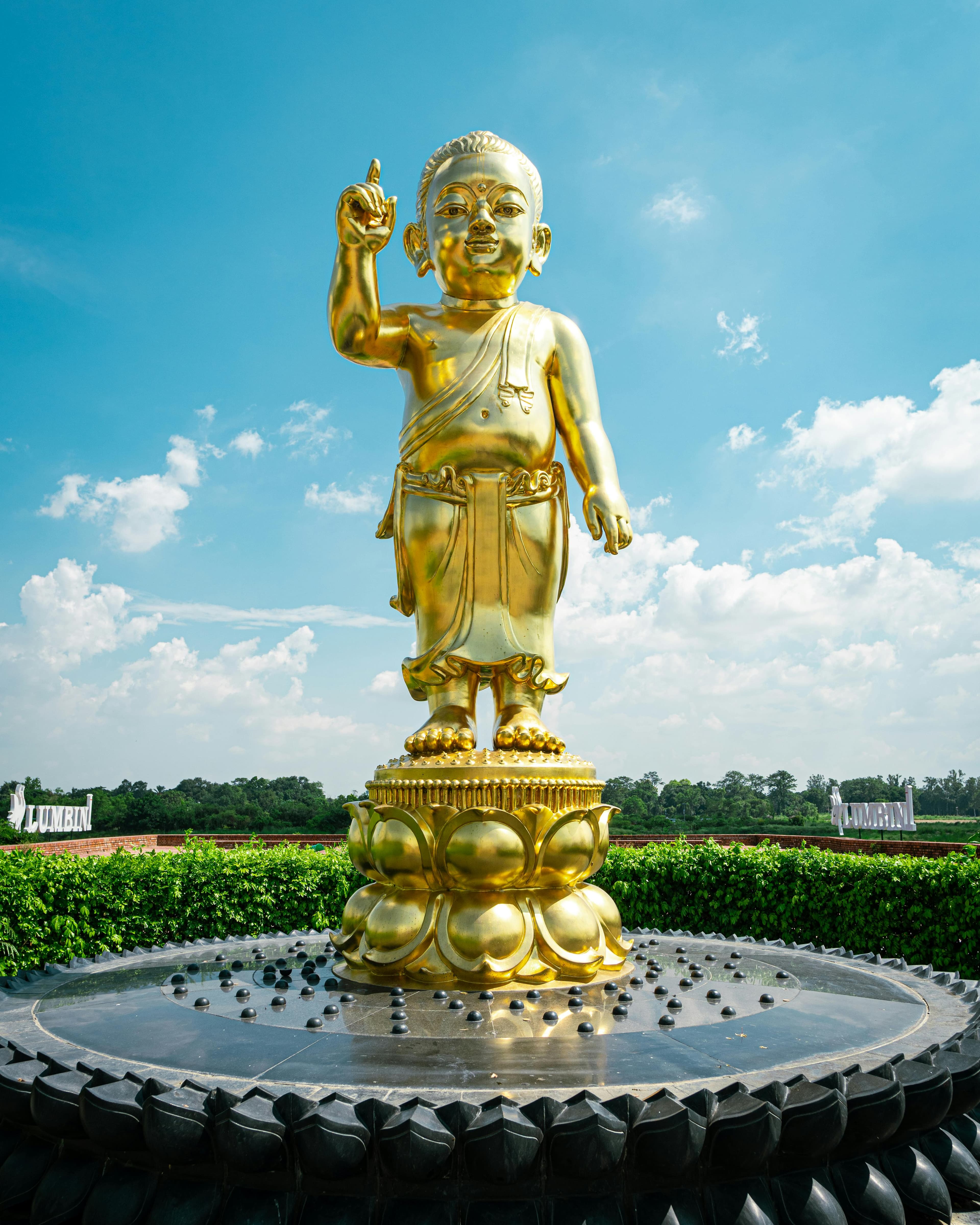
A full day in the Lumbini Development Zone reveals layers that a quick visit misses: the archaeological textures of the Sacred Garden, the architectural diversity of the monastic zone, and the profound quiet of the Peace Flame.
The Sacred Garden
The Sacred Garden is the epicentre of Lumbini's significance. The Maya Devi Temple marks the precise birthplace of Siddhartha Gautama (the Buddha), established through archaeological excavation that found a marker stone and structural remains dating to the third century BCE. The Ashoka Pillar outside the temple, inscribed in Brahmi script, records the emperor Ashoka's pilgrimage to this spot in 249 BCE — making it one of the oldest authenticated historical inscriptions in South Asia.
The Puskarini Sacred Pond is where, according to tradition, Maya Devi bathed before giving birth. Its brick-lined edges have been excavated to reveal multiple construction phases spanning centuries of pilgrimage activity. The archaeological zone around the pond shows the outlines of ancient monasteries that once stood here.
The Monastic Zone
The Master Plan for Lumbini's development, created in the 1970s, divided the zone into Theravada (eastern) and Mahayana/Vajrayana (western) monastic enclosures flanking a central canal. Around 30 monasteries have been built by Buddhist nations, each a full expression of its home country's architectural tradition.
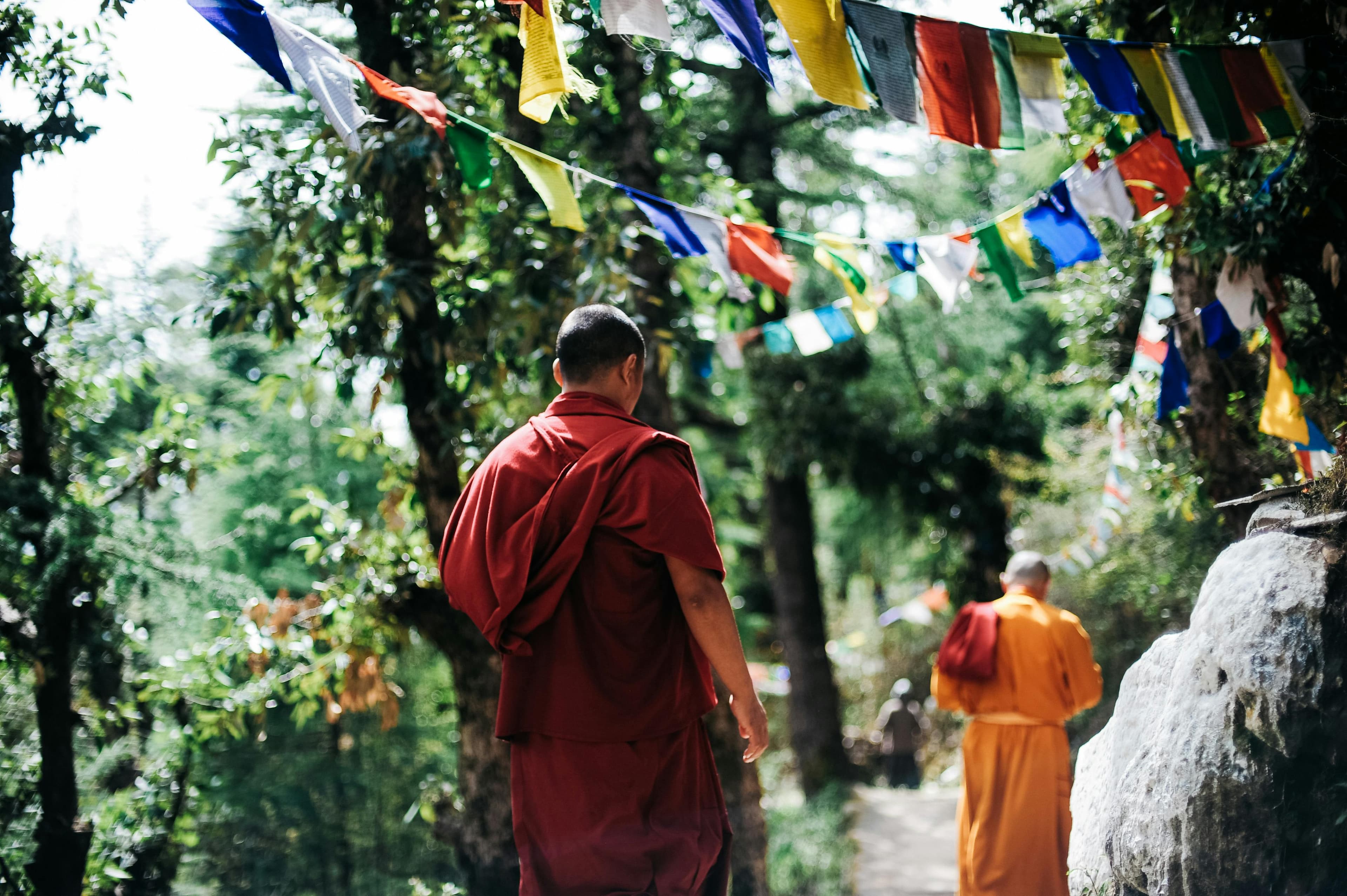
The eastern zone's highlights include the Sri Lanka monastery (white stupa), the Myanmar Golden Temple (Burmese-style gilt pagoda), and the Thai monastery (classic white-and-gold Bangkok style). The western zone holds the Tibet monastery with its elaborate painted interiors, the Chinese monastery (striking curved rooflines), the Korean monastery (graceful grey stone), and the German Dhamma Chakra monastery (contemporary minimalist design in Sarnath style).
Planning this trip? 🎒
Don't stress about transport or guides. Sajilo offers verified cabs, luxury tourist buses, and expert guides across Nepal.
Cycling is the best way to cover the 3km zone. Bicycles are available for hire near the Sacred Garden entrance for a small fee.
The Peace Flame and Eternal Peace Flame
The World Peace Flame burns at the northern end of the monastic canal, drawing flames from five continents for its original lighting. The Peace Pagoda (Japanese Shanti Stupa) stands on a slight rise above the eastern monastic zone with a commanding view of the entire development. The 5am opening of the Sacred Garden allows pre-dawn visits when pilgrims chant in the stillness before tourist crowds arrive.
Sajilo provides transport from Bhairahawa to Lumbini, a 22km connection that is most useful for visitors arriving by air or early morning bus from Kathmandu or Pokhara.
Practical Notes
The Lumbini Development Zone charges an entrance fee. Electric vehicles operate within the zone for those who do not want to cycle. The zone opens at 5am. Dress modestly for the Sacred Garden area. Silence is expected near the Maya Devi Temple.
FAQ
How long does a full day in Lumbini take to fill?
Comfortably. Allow 2 hours for the Sacred Garden and museum, 3 hours to cycle through both monastic zones visiting 6-8 monasteries in depth, and an hour each for the Peace Pagoda and the Tibetan monastic enclosure.
Is there food available inside the Lumbini zone?
A few small canteens operate near the Sacred Garden and within some monastery compounds. Carrying water and snacks is advisable for a full day.
What is the best monastery to visit if I only have time for one?
The Maya Devi Temple is not a monastery but is unmissable. Of the national monasteries, the German and Korean ones offer the most architecturally distinctive experience. The Tibetan monastery has the richest interior decoration.