Culture
Losar: Tibetan New Year Celebrations in Nepal's High Country
Losar, the Tibetan Buddhist New Year, is celebrated with monastery prayers, traditional dress, and community feasts across Nepal's Himalayan regions.
What Is Losar?
Losar means "new year" in Tibetan. Lo means year and sar means new. It is the most important festival in the Tibetan Buddhist calendar, typically falling in February and lasting fifteen days in its full traditional form, with the main public celebrations occupying three days. In Nepal, Losar is celebrated most visibly in the Kathmandu Valley's Tibetan communities at Boudhanath and Swayambhunath, and with even greater cultural depth in the high mountain regions of Mustang, Solukhumbu, and Dolpo.
Preparation and Rituals
Preparation begins weeks before Losar. Homes are deep-cleaned to sweep out the old year's bad energy. Special foods are prepared, especially khapse, elaborate fried butter cookies in various shapes. On the eve of Losar, families light torches and walk around the perimeter of their homes to expel evil spirits. The first day is spent with family, the second day for community celebrations, and the third day for monastery prayers and public performances.
Monasteries and Cham Dance
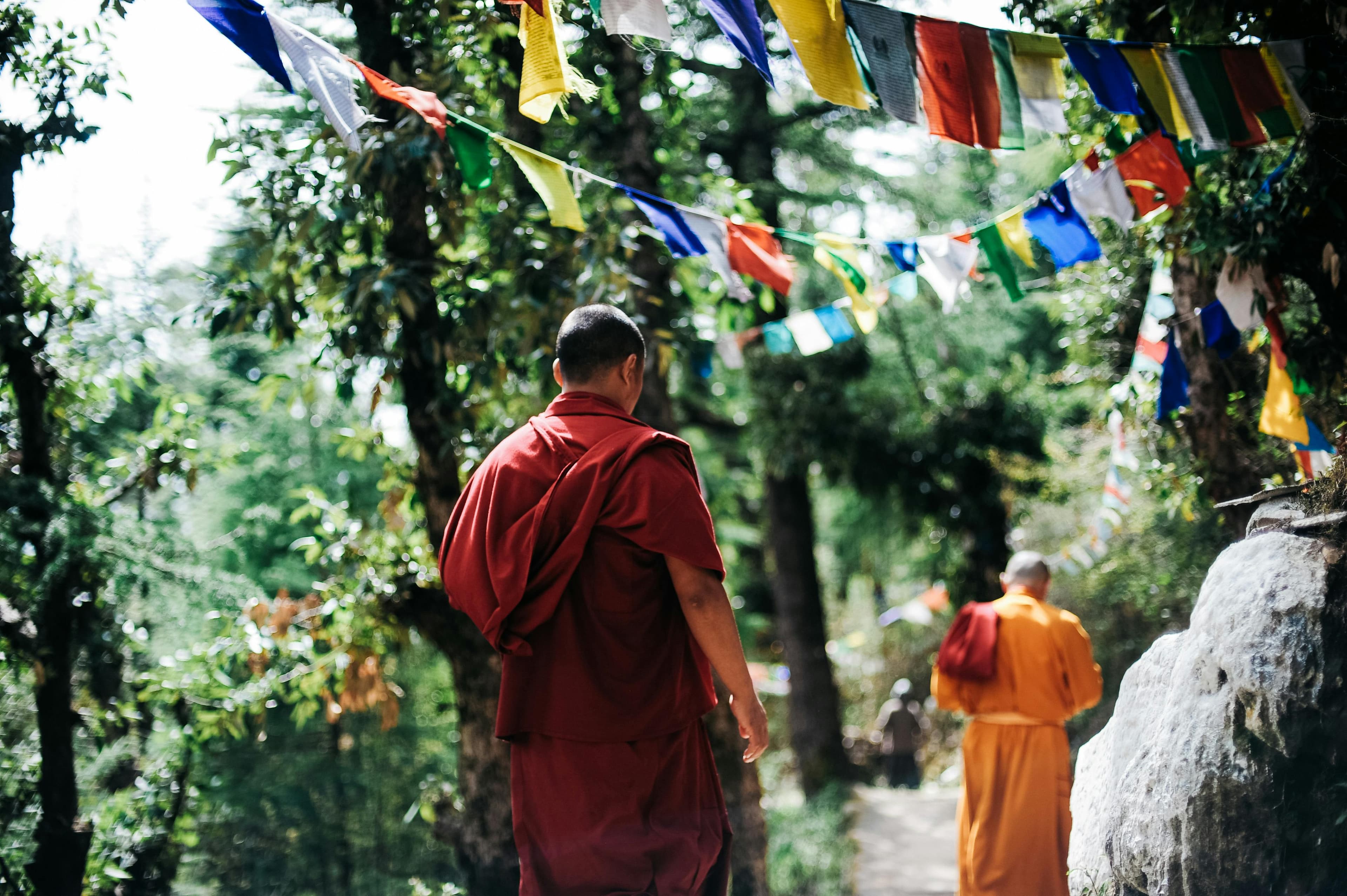
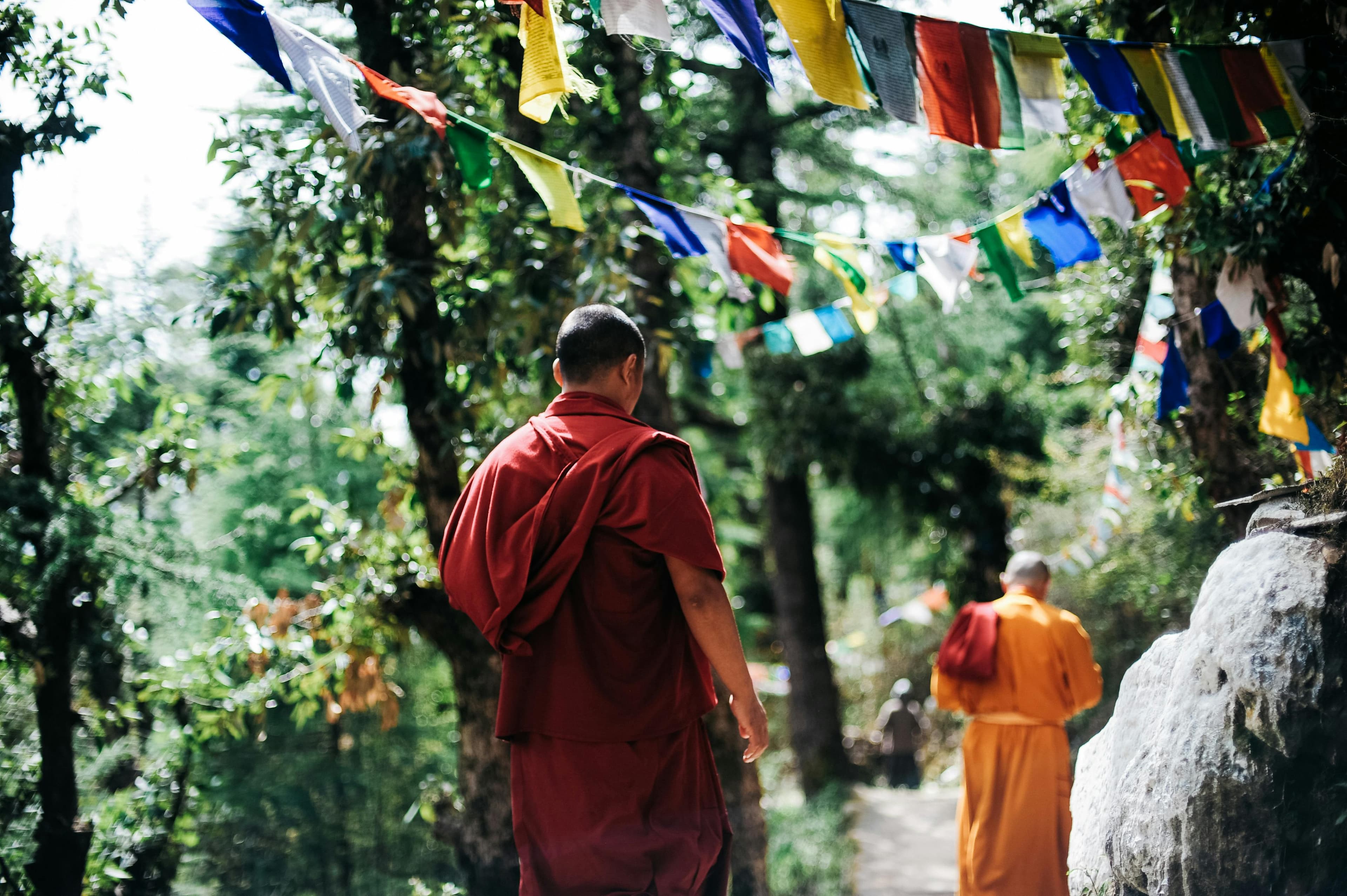
Losar at major monasteries in Nepal involves spectacular Cham dances, sacred masked ritual dances performed by monks. Each mask represents a deity or demon from Tibetan Buddhist cosmology. The monks have rehearsed for weeks. At Boudhanath, the surrounding monasteries including Shechen and Kopan open their courtyards for public performances. At Tengboche Monastery in Khumbu, the Mani Rimdu festival around Losar season draws trekkers specifically to witness the dances.
Experiencing Losar as a Visitor
In Kathmandu, Boudhanath stupa is the place to be. The Tibetan community dresses in traditional chuba robes, new prayer flags are strung across the dome, and the streets around the stupa fill with families sharing chang and sweet rice. Monasteries hold open prayers in the mornings. In Mustang and Khumbu, stay in a local teahouse and ask your host if you can join the family meal.
Planning this trip? 🎒
Don't stress about transport or guides. Sajilo offers verified cabs, luxury tourist buses, and expert guides across Nepal.
FAQ
Q: Does Losar fall on the same date as Chinese New Year?
Losar and Chinese New Year both follow lunar calendars but are calculated differently. They sometimes coincide and sometimes differ by a week or more. Losar follows the Tibetan lunar calendar, not the Chinese one.
Q: Which Nepali ethnic groups celebrate Losar?
Losar is celebrated by Tibetans, Sherpas, Tamangs, Gurungs, and other Tibeto-Burman-speaking communities in Nepal. Each group has slightly different traditions. Tamang Losar and Gurung Losar are celebrated separately on different dates with distinct customs.
Q: Is Losar a public holiday in Nepal?
Nepal officially recognizes three separate Losars as public holidays: Sonam Lhosar (Tamang), Gyalpo Losar (Tibetan), and Tamu Lhosar (Gurung). Each falls on a different day based on the respective community's calendar.