Culture
Krishna Mandir Patan Guide
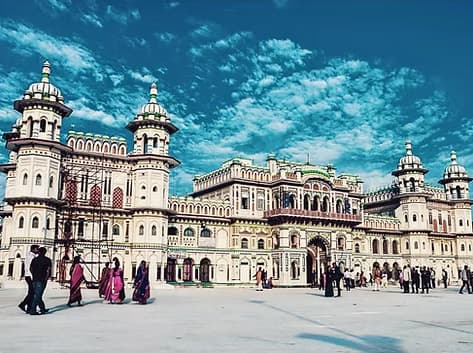
Krishna Mandir in Patan's Durbar Square is Nepal's finest stone temple and one of the most architecturally significant structures in South Asia, combining Shikhara spires with Newari pagoda elements.
Overview
Krishna Mandir stands at the centre of Patan Durbar Square, built in 1637 by King Siddhi Narsingh Malla. It is one of the earliest and finest examples of Shikhara-style stone temple architecture in Nepal. Twenty-one spires rise in tiers from a base of carved stone panels depicting scenes from the Mahabharata and Ramayana — a stone comic strip wrapping the entire temple at eye level. The main shrine contains a black stone image of Krishna flanked by Radha and Rukmini.
The temple comes alive during Krishna Janmashtami (August), when thousands of devotees crowd Durbar Square for an all-night vigil, devotional singing, and the midnight celebration of Krishna's birth. Coloured lights, flower garlands, and the smell of camphor fill the square. On regular mornings, the temple is relatively quiet and the carvings can be studied in detail.
Patan Durbar Square entry for foreign nationals costs NPR 1,000, which covers the entire square complex. The ticket remains valid for multiple entries over several days with the same guide. The square is a 15-minute taxi ride from central Kathmandu.
FAQ
Is photography allowed inside Krishna Mandir?
Photography of the exterior carvings and the square is unrestricted. Entry to the inner sanctum is for Hindu worshippers only; photography inside is not permitted.
Planning this trip? 🎒
Don't stress about transport or guides. Sajilo offers verified cabs, luxury tourist buses, and expert guides across Nepal.
What is the best time to visit Patan Durbar Square?
Early morning (7-9 am) before tourist groups arrive is best for photography and quiet exploration. The golden hour light on the stone temple facades is exceptional.