Destinations
Kathmandu UNESCO World Heritage Sites Guide
The Kathmandu Valley UNESCO World Heritage listing covers seven monument zones, each distinct in character and significance. Here is how to approach all seven intelligently.
The Seven Monument Zones
The Kathmandu Valley UNESCO World Heritage Site, inscribed in 1979, encompasses seven groups of monuments: Kathmandu Durbar Square, Patan Durbar Square, Bhaktapur Durbar Square, Swayambhunath, Boudhanath, Pashupatinath, and Changu Narayan. Each requires a separate visit and a separate entry fee.
Kathmandu Durbar Square
The largest and most complex of the three Durbar Squares, containing the old royal palace (Hanuman Dhoka), the Taleju Temple, Kumari Ghar, and over fifty temples and courtyards. The 2015 earthquake caused significant damage to several structures; ongoing restoration has proceeded carefully. Visit at opening time to walk the spaces before tour groups arrive.
Patan Durbar Square
The most refined of the three royal squares, anchored by the Krishna Mandir (stone temple, 1637 CE) and containing the Patan Museum inside the restored palace — arguably the finest museum of South Asian art in the region. Half a day minimum.
Bhaktapur Durbar Square
The most complete medieval urban ensemble, spread across multiple connected squares and including the five-storey Nyatapola Temple at Taumadhi. The active pottery tradition at Pottery Square is unique to Bhaktapur. A full day allows the back lanes and the Sukuldhoka area beyond the ticket zone.
Planning this trip? 🎒
Don't stress about transport or guides. Sajilo offers verified cabs, luxury tourist buses, and expert guides across Nepal.
Swayambhunath
The hilltop stupa complex (Monkey Temple) west of Kathmandu, predating historical records. The main stupa and the surrounding cluster of shrines, monasteries, and the giant Vajra thunderbolt are accessible from both the east staircase and the west road.
Boudhanath
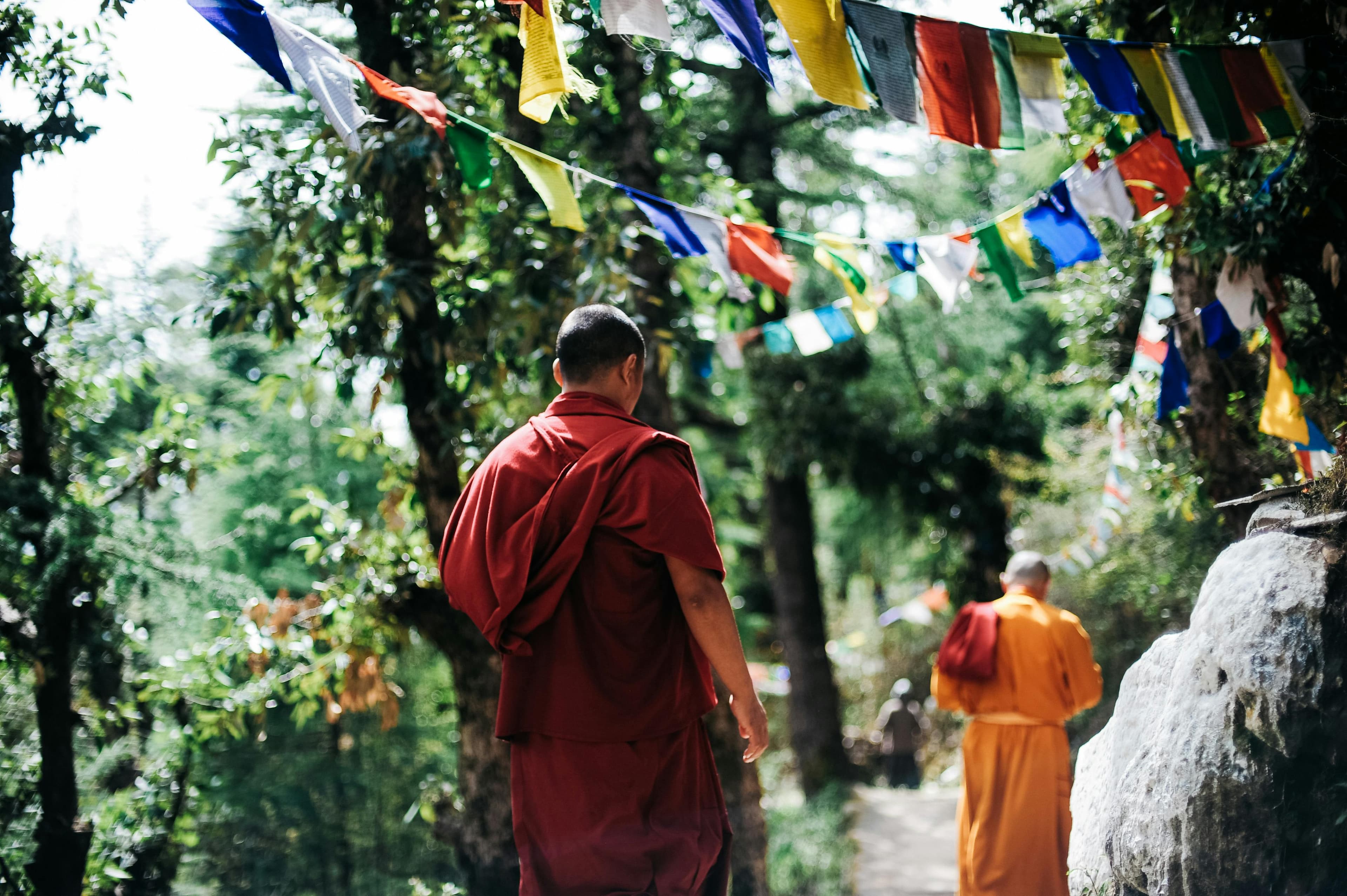
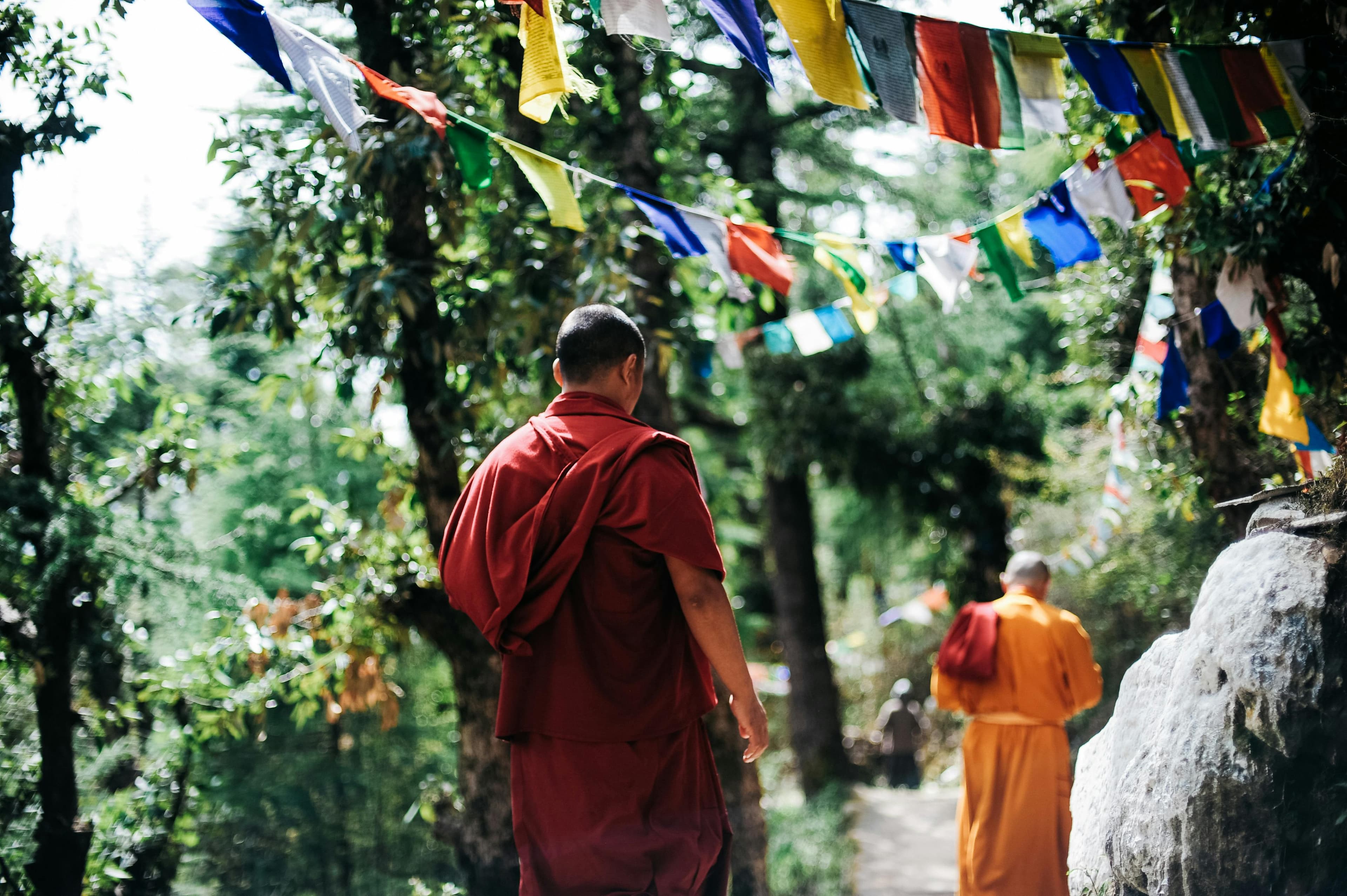
The largest stupa in South Asia sits in a circular plaza encircled by monasteries and pilgrimage infrastructure. The Tibetan Buddhist community around Boudhanath makes it a living centre of that tradition outside Tibet. Dawn and dusk circumambulations with monks and pilgrims are the best times.
Pashupatinath
The most important Hindu temple in Nepal, on the banks of the Bagmati River. Non-Hindus cannot enter the main temple but the ghats, the burning pyres, the sadhus in the forest, and the smaller shrines along the river are freely accessible.
Changu Narayan
The oldest of the seven zones (4th century CE), on a forested ridge 12km east of Kathmandu. The stone sculpture in the courtyard includes Vishnu images from the Licchavi period considered masterpieces of South Asian art. Far fewer visitors than the other six sites.
Sajilo is the most efficient transport solution for covering multiple heritage sites across the valley in a single day, particularly for the Bhaktapur-Changu Narayan combination on the eastern ridge.
FAQ
Is there a combined ticket for all seven sites?
Heritage zone passes exist for the three Durbar Squares on a multi-day basis. Swayambhunath, Boudhanath, Pashupatinath, and Changu Narayan each have separate entry fees.
How many days does it take to see all seven?
Three to four full days to see all seven sites meaningfully. Rushing through more than two or three in a day produces heritage fatigue.
Which site is most affected by the 2015 earthquake damage?
Kathmandu Durbar Square saw the most structural damage. Restoration is ongoing but several towers and platforms remain in reconstruction. Bhaktapur and Patan fared better.