Destinations
Ilam Tea Gardens: Nepal Tea Country
Ilam in the far eastern hills produces some of Nepal's finest orthodox tea in gardens that look out toward Kanchenjunga. The journey through tea country is as rewarding as the destination.
Getting to Ilam
Ilam district sits in Nepal's far eastern hills, bordering Darjeeling in India. The main approach is from Dharan or Birtamod on the East-West Highway. From Birtamod, a mountain road climbs through subtropical forest to the town of Ilam at 1,600m. The journey from Kathmandu takes 10-12 hours by road or you can fly to Biratnagar and travel from there.
The road from the plains to Ilam is itself part of the experience. The vegetation shifts from Terai flatlands through sal forest, then into the cardamom-laced subtropical zone, and finally into the cooler hills where tea bushes appear on every slope.
The Tea Gardens
The Ilam tea industry dates to 1873 when the first commercial garden was established under the Rana regime using Darjeeling expertise. Today the district has dozens of tea estates ranging from large cooperatives to small family gardens. The tea produced here — including first flush, second flush, and white teas — competes with Darjeeling in quality and commands premium prices internationally.
Walking through an active tea garden during the flush season (March-May, July-September) lets you watch pluckers work with practiced speed, pinching only the top two leaves and a bud that produce the finest grade. The processing factories — where leaves are withered, rolled, oxidised, and dried — are open for visits at most larger estates. The smell of withering tea leaf is one of the most distinctive fragrances imaginable.
Planning this trip? 🎒
Don't stress about transport or guides. Sajilo offers verified cabs, luxury tourist buses, and expert guides across Nepal.
Ilam Tea Estate and May Queen Tea Estate both welcome visitors and offer guided tours with tastings. Buy directly from the estates for the freshest product at fair prices.
The Town of Ilam
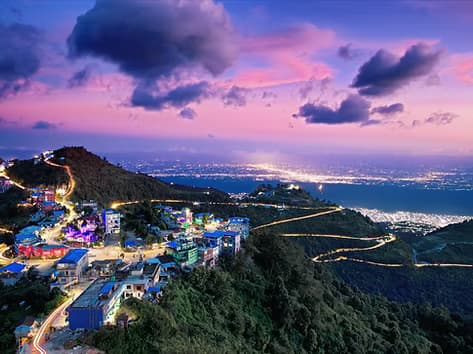
The Ilam bazaar is a pleasant hill market town with a comfortable main street lined with tea shops selling local produce. The surrounding ridges offer easy walks through gardens and forest with Kanchenjunga — the world's third highest mountain — visible on clear days to the northeast. The Mae Pokhari wetland (a Ramsar site) 6km from town is home to migratory birds and a freshwater ecosystem unusual at this elevation.
Cultural Dimension
The Ilam region is home to Limbu people whose Kirat religion and Mundhum oral scripture tradition predate Hinduism in eastern Nepal. Limbu settlements in the surrounding hills preserve traditional architecture and festival practices. The Udhauli and Ubhauli festivals (marking the agricultural cycle) are celebrated with traditional Chyabrung drum dances.
Sajilo can arrange reliable transport from Biratnagar or Birtamod to Ilam, a journey that requires navigating mountain switchbacks where local driving knowledge is genuinely useful.
Tea Buying Tips
Buy loose leaf rather than packaged tea for the best price-to-quality ratio. First flush (spring harvest) is the most prized and most expensive. Second flush (summer) offers a fuller body. White tea from Ilam, made from unfurled buds, is a specialty worth seeking out regardless of price.
FAQ
When is the best time to visit Ilam for tea picking?
March and April (first flush) and July through September (second flush) show the estates in full activity. October and November are beautiful for clear views and cooler temperatures even if harvesting has slowed.
Is Ilam connected to Darjeeling overland?
Technically there is a border crossing to India nearby, but regulations vary. Most travellers reach Ilam from Nepal's own road network rather than crossing from India.
How many days should I spend in Ilam?
Two nights minimum: one day for the gardens and factory tour, one day for Mae Pokhari and the surrounding hills. A third day allows for a village walk into the Limbu communities.