Trekking
Himalayan Photography: Mastering the Golden Hour
Golden hour in the Himalayas transforms snow-capped peaks into burning orange and crimson cathedrals. Understanding light, position, and preparation turns a good Himalayan photograph into an unforgettable one.
Himalayan golden hour is unlike anything in the lowlands. At high altitude, thin atmosphere scatters less light, making the colour saturation and contrast during the first and last 30 minutes of daylight extraordinarily vivid.
Understanding Himalayan Light
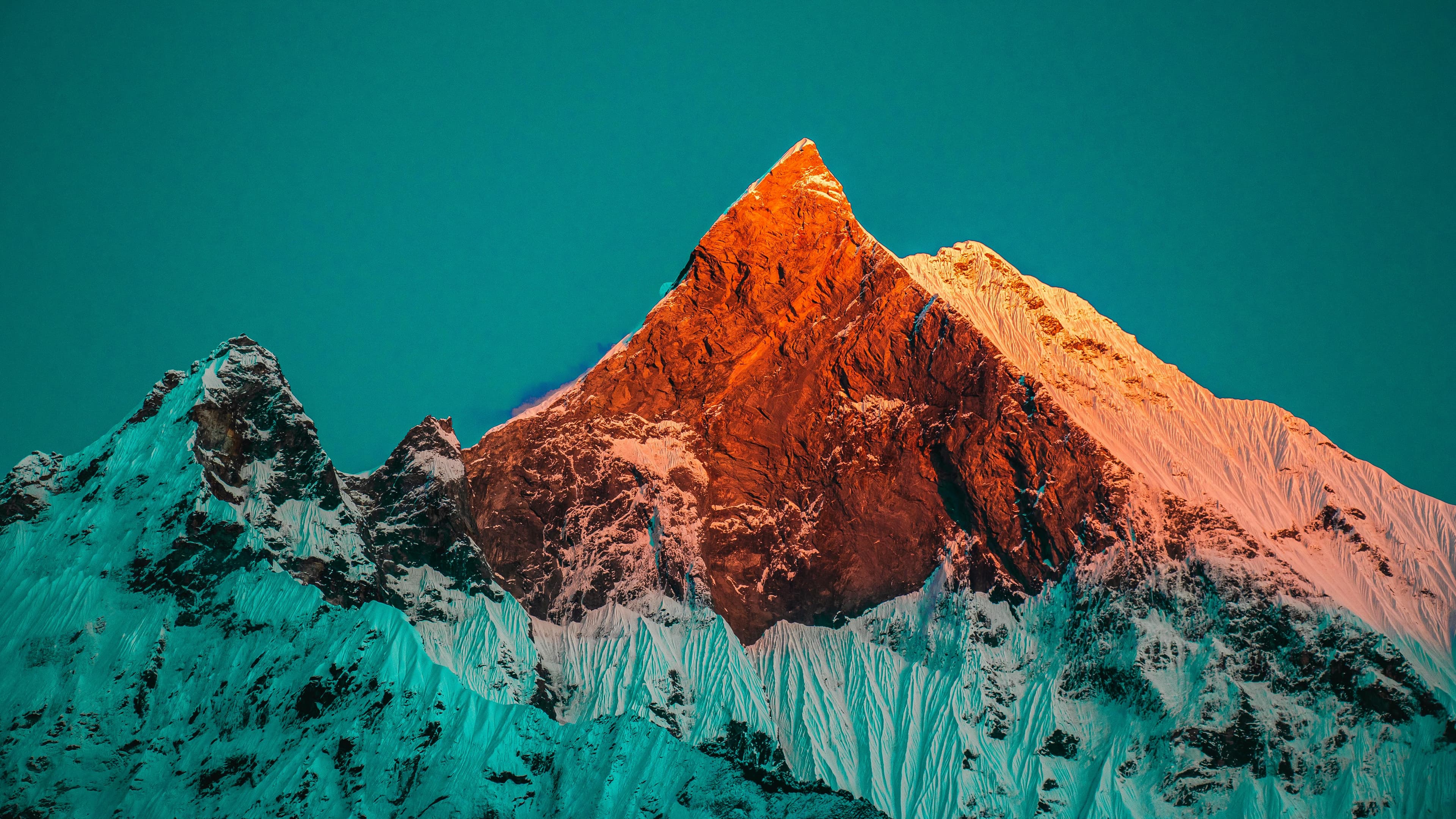
At 3,500m and above, the atmosphere holds far less moisture and particulate matter than at sea level. The result is that golden hour starts more suddenly and ends more abruptly — you have less time, but the light is more intense. The colour temperature shifts from warm orange (roughly 3,500K) to deep crimson (2,500K) within minutes during alpenglow — the phenomenon where peaks glow red after the sun drops below the valley horizon.
Best Locations for Golden Hour
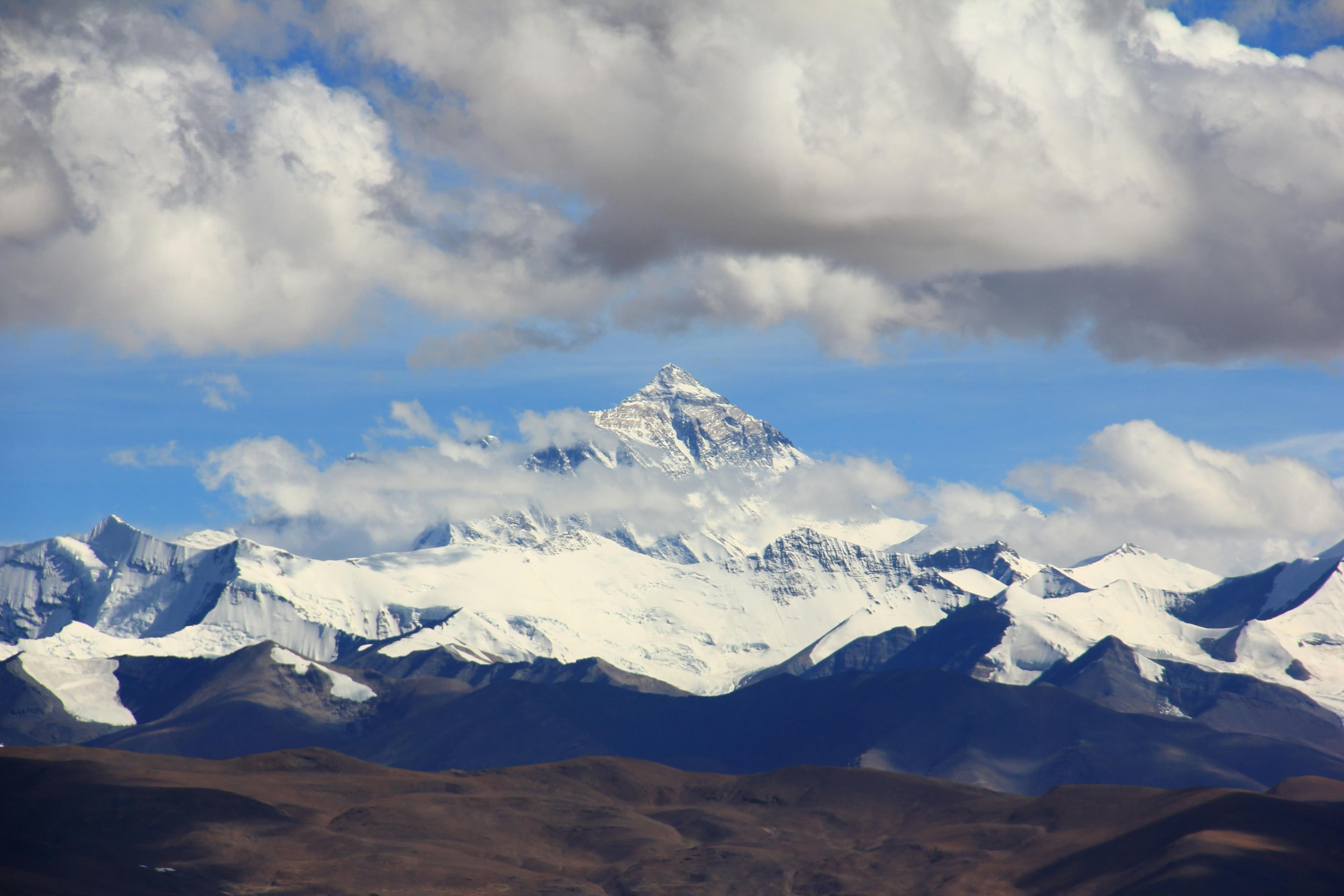
Kalapathar (5,545m): Offers the closest wide-angle view of Everest's upper pyramid. Pre-dawn starts (3am from Gorakshep) allow you to reach the viewpoint before alpenglow. Nuptse, Lhotse, and the Khumbu Icefall frame the composition.
Poon Hill (3,210m): The most accessible golden-hour location in Nepal. A 45-minute pre-dawn climb from Ghorepani reaches the tower lookout in time for sunrise over Dhaulagiri and the Annapurna massif. Clouds fill the valleys below during October, creating a sea-of-clouds effect.
Planning this trip? 🎒
Don't stress about transport or guides. Sajilo offers verified cabs, luxury tourist buses, and expert guides across Nepal.
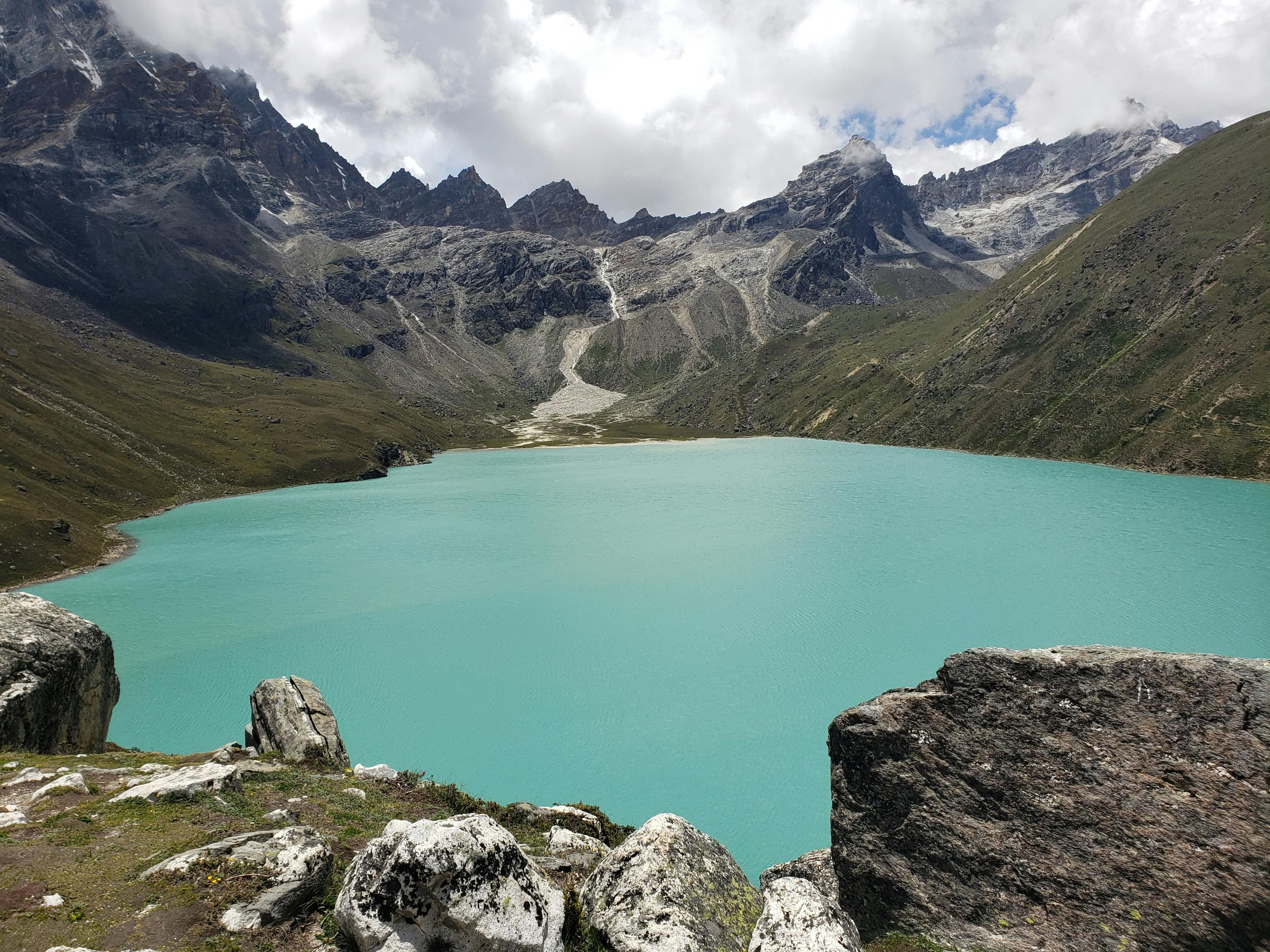
Gokyo Ri (5,357m): The summit above Gokyo Village overlooks four glaciers and the Gokyo Lakes, with Everest, Cho Oyu, Makalu, and Lhotse on the horizon. Less crowded than Kalapathar.
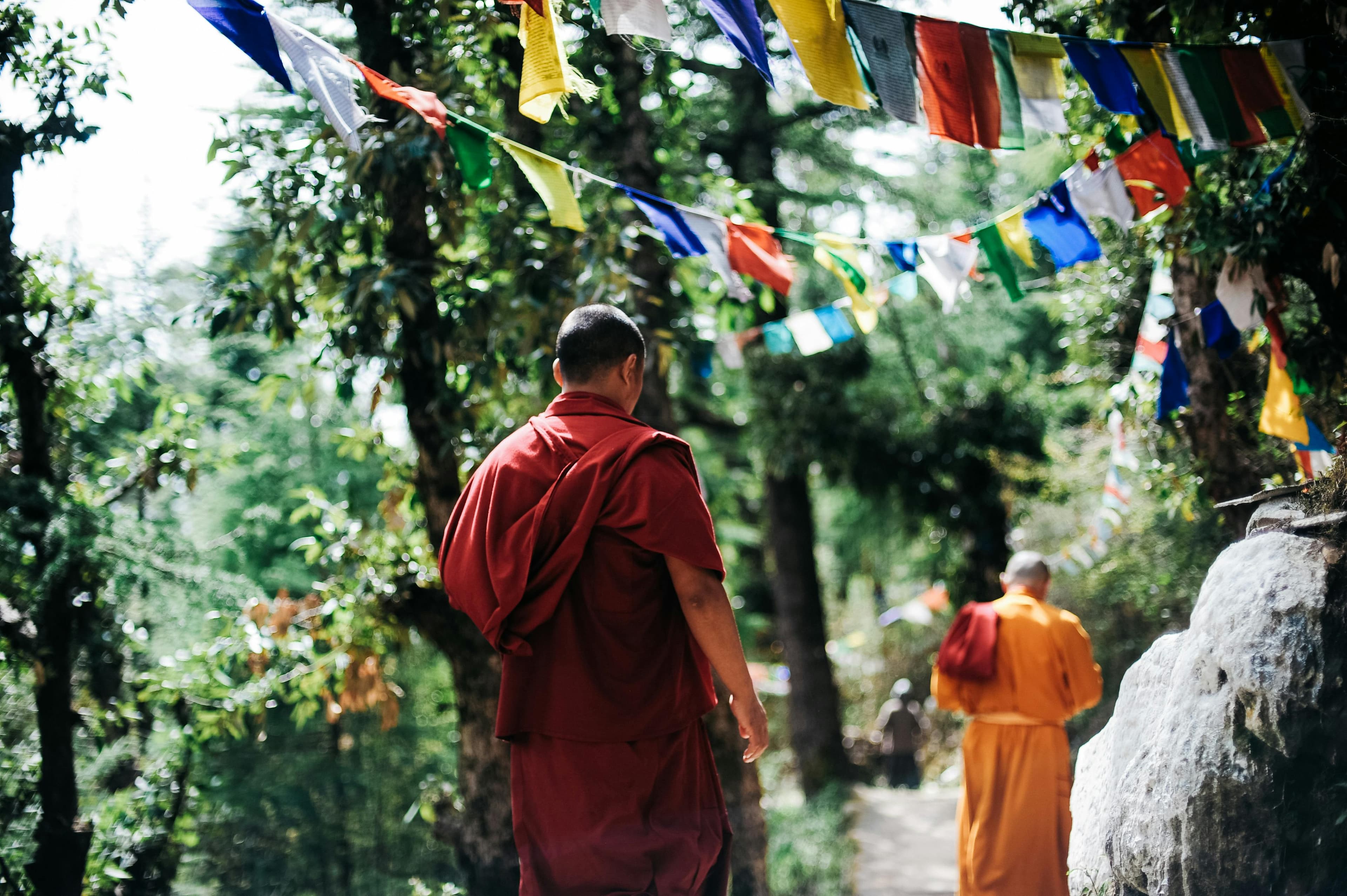
Tengboche Ridge: The monastery silhouetted against alpenglow on Ama Dablam is one of Himalayan photography's classic compositions.
Technical Considerations
Use a tripod — wind at altitude will move even heavy cameras. Set ISO to 400-800 for golden hour exposures without introducing noise. Shoot in RAW format to retain maximum dynamic range for shadow recovery in post-processing. Bracket exposures (±2 stops) to capture both the lit peaks and foreground detail. At altitude, battery life drops significantly in cold temperatures — carry a spare inside your jacket.
FAQ
What camera should I bring trekking? A mirrorless camera with a versatile 24-105mm equivalent lens handles 90% of Himalayan photography needs. Weather sealing is valuable for mountain conditions. Phone cameras have improved dramatically and are viable for documentary travel shots.
How do I protect gear in cold and dust? Use a camera rain cover or Ziploc bag for precipitation. Let your camera acclimatise for 30 minutes outside before shooting in condensation-prone transitions from warm tea houses to cold air.
Does altitude affect camera performance? Batteries drain faster in cold. Electronics otherwise function normally. The thinner air does not affect optics.