Trekking
Great Himalayan Monasteries: A Traveller's Guide
Himalayan monasteries are living centres of Tibetan Buddhism, perched on cliffs and hilltops throughout Nepal. Each holds centuries of art, scholarship, and spiritual practice.
Nestled among peaks and forested ridges, Nepal's Himalayan monasteries are among Asia's most atmospheric sacred sites.
Overview
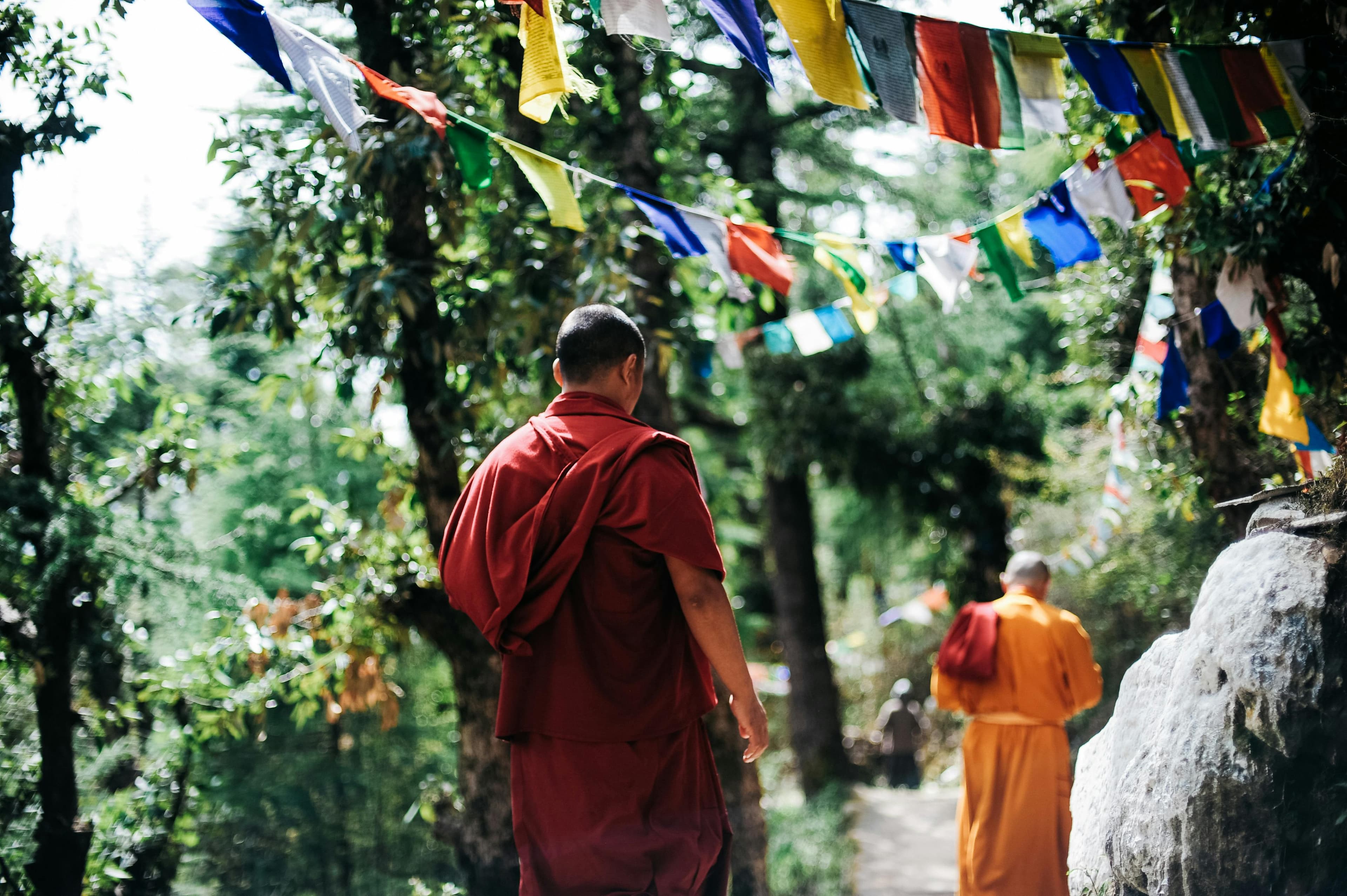
Tengboche Monastery (3,867m) in the Khumbu region is perhaps Nepal's most photographed gompa, set against the backdrop of Ama Dablam and Everest. Founded in 1916, it hosts the annual Mani Rimdu festival each November. Thrangu Tashi Yangtse Monastery above Boudhanath was rebuilt after the 2015 earthquake and is now one of Nepal's largest. Kopan Monastery near Kathmandu runs internationally known meditation courses. In the Mustang region, Thubchen Gompa in Lo Manthang preserves 15th-century murals of extraordinary quality. Hemis Monastery in Ladakh and Tawang in Arunachal Pradesh extend the monastic tradition across the Himalayan belt. Entry fees for foreign visitors typically range NPR 100–300 per gompa. Most monasteries welcome respectful visitors outside prayer times. Photography inside shrines often requires specific permission. The morning chanting sessions, starting before sunrise and accompanied by long horns and drums, offer one of the most memorable Himalayan experiences.
FAQ
What is the difference between a gompa and a monastery? Gompa is the Tibetan word for a secluded place used for practice. In Nepal and Tibet, it refers to Buddhist monasteries, temples, and retreat centres. The terms are used interchangeably.
When is the Mani Rimdu festival at Tengboche? Mani Rimdu falls on the full moon of the ninth Tibetan month — typically October or November in the Western calendar.
Planning this trip? 🎒
Don't stress about transport or guides. Sajilo offers verified cabs, luxury tourist buses, and expert guides across Nepal.