Trekking
Himalayan Glaciers: Beauty and Crisis
The Himalayas hold the largest concentration of glaciers outside the polar regions. These rivers of ice are both breathtaking natural wonders and early victims of climate change.
The Himalayan range contains over 15,000 glaciers covering roughly 33,000 square kilometres — earning it the nickname the Third Pole.
Overview
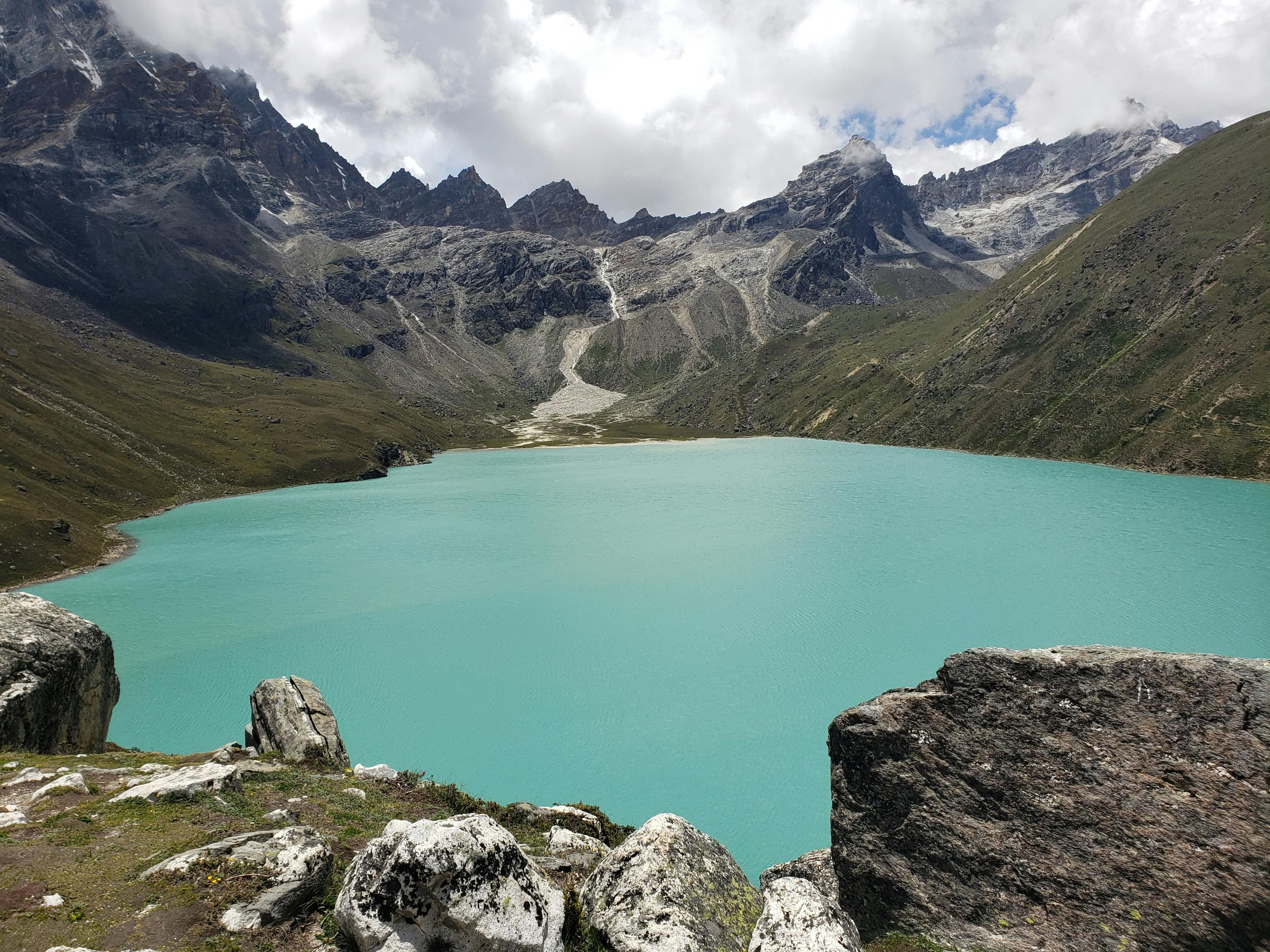
Glaciers like the Khumbu, Gangotri, and Zemu are more than scenic wonders. They are freshwater reservoirs feeding major rivers including the Ganges, Brahmaputra, and Indus, on which over a billion people depend for drinking water and agriculture. The Gokyo Lakes, a series of emerald glacial lakes beside the Ngozumpa Glacier — Nepal's longest — offer some of the most ethereal landscapes in the Himalayas. Trekkers reach them via the Gokyo Valley route, passing yak pastures and stone-walled tea houses. The crisis is accelerating. Studies show Himalayan glaciers are losing mass at an unprecedented rate, with some modelling suggesting up to two-thirds of glacier volume could disappear by 2100 under high-emission scenarios. Glacial Lake Outburst Floods (GLOFs) — sudden releases of meltwater from ice-dammed lakes — pose growing risks to downstream villages.
FAQ
Which is Nepal's longest glacier? The Ngozumpa Glacier in the Khumbu region, approximately 36km long, is Nepal's longest.
How fast are Himalayan glaciers retreating? Studies show an average retreat rate of 10-15 metres per year, though this varies widely by glacier and altitude.
Planning this trip? 🎒
Don't stress about transport or guides. Sajilo offers verified cabs, luxury tourist buses, and expert guides across Nepal.