Trekking
Everest Base Camp Trek: The Ultimate 2026 Guide
Everything you need to plan a successful Everest Base Camp trek -- permits, costs, itinerary, gear list, altitude sickness tips, and best operators.
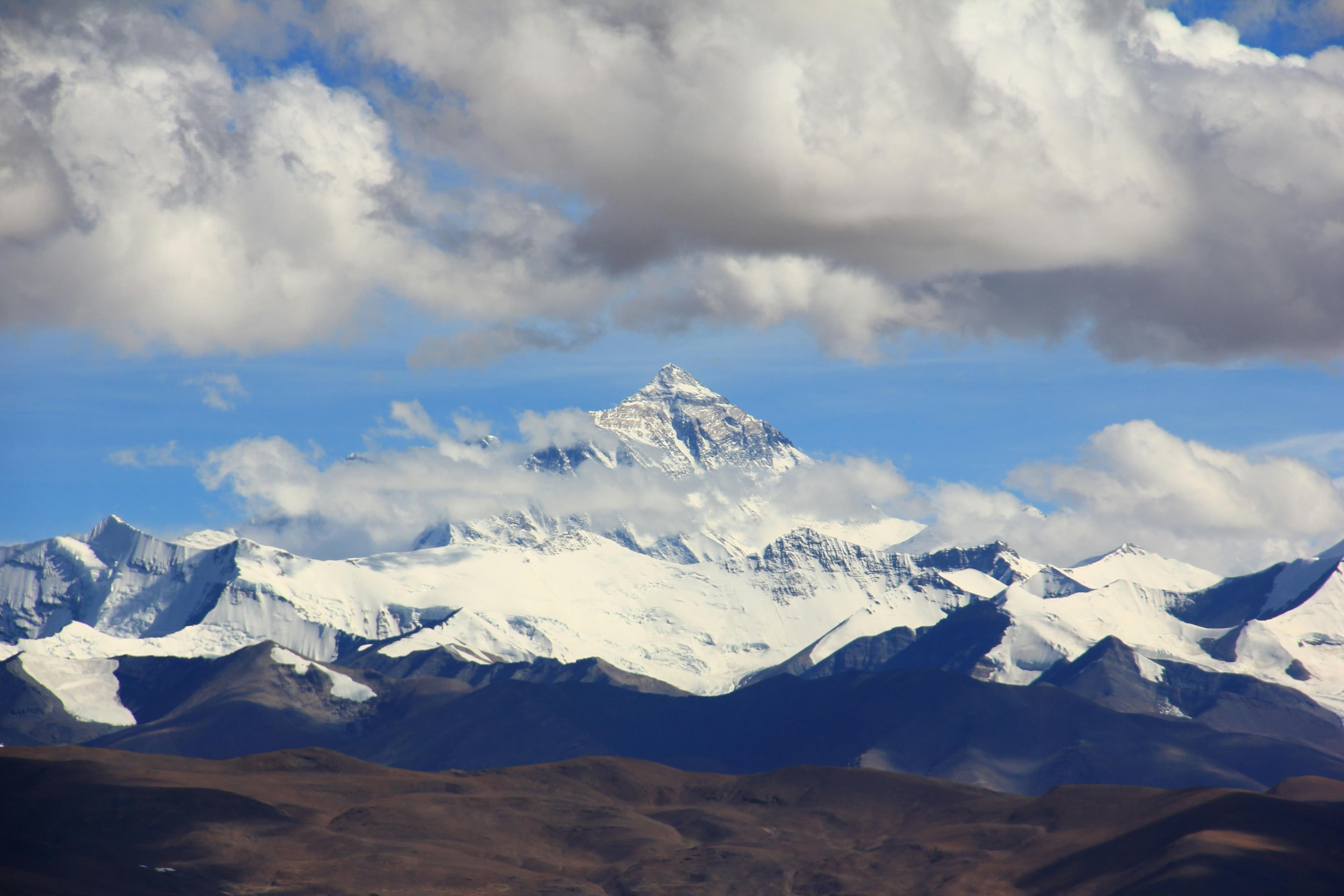
Every year, thousands of trekkers from around the world lace up their boots and set their sights on one destination: Everest Base Camp. At 5,364 metres above sea level, it is not the summit of the world's tallest mountain -- but standing at the foot of Everest, surrounded by the Khumbu Icefall and towering Himalayan giants, is a life-defining experience that no summit photo can fully capture.
This guide covers everything you need to plan a safe, rewarding EBC trek in 2026 -- from permits and costs to daily itineraries, gear essentials, and altitude sickness management.
Overview
- Distance: Approximately 130km round trip (Lukla to Base Camp and back)
- Duration: 12–14 days (minimum recommended)
- Maximum altitude: 5,364m at Everest Base Camp; 5,545m at Kalapathar viewpoint
- Difficulty: Strenuous -- long daily walks at high altitude, not technical climbing
- Best for: Fit hikers with good cardiovascular endurance; no climbing experience required
Best Seasons to Trek
October–November is the gold standard. Post-monsoon skies are clear, temperatures are crisp, and the trails are busy but manageable. Visibility to the high peaks is exceptional.
March–May is the second-best window. Spring brings blooming rhododendrons in the lower valleys and generally stable weather, though afternoon clouds can build quickly above 4,000m.
Planning this trip? 🎒
Don't stress about transport or guides. Sajilo offers verified cabs, luxury tourist buses, and expert guides across Nepal.
June–August (Monsoon): Trails are slippery, leeches are common below Namche, and mountain views are often obscured. Not recommended.
December–February (Winter): Possible but cold -- temperatures at Gorakshep can drop to -20°C at night. Fewer crowds, lower prices, but extra cold-weather gear is essential.
Permits Required
You need three separate permits before setting foot on the trail:
- TIMS Card: NPR 2,000 per person. Obtained in Kathmandu at the Nepal Tourism Board office or through a registered agency.
- Sagarmatha National Park Entry Permit: NPR 3,000 per person.
- Khumbu Pasang Lhamu Rural Municipality Fee: NPR 2,000 per person. Collected at Lukla or Monjo.
Keep originals with you -- checkpoints verify all three documents.
Standard 12-Day Itinerary
| Day | Route | Altitude |
|---|---|---|
| 1 | Fly Kathmandu to Lukla; trek to Phakding | 2,610m |
| 2 | Phakding to Namche Bazaar | 3,440m |
| 3 | Acclimatisation day in Namche | 3,440m |
| 4 | Namche to Tengboche | 3,860m |
| 5 | Tengboche to Dingboche | 4,410m |
| 6 | Acclimatisation day in Dingboche | 4,410m |
| 7 | Dingboche to Lobuche | 4,940m |
| 8 | Lobuche to Gorakshep; afternoon to EBC | 5,164m / 5,364m |
| 9 | Gorakshep to Kalapathar; descend to Pheriche | 5,545m / 4,240m |
| 10 | Pheriche to Namche | 3,440m |
| 11 | Namche to Lukla | 2,840m |
| 12 | Fly Lukla to Kathmandu | -- |
The acclimatisation days in Namche and Dingboche are non-negotiable. Skipping them dramatically increases your risk of acute mountain sickness.
Cost Breakdown
Budget trekker (NPR 150,000–200,000 for 14 days):
- Tea house accommodation: NPR 300–800 per night
- Meals on trail: NPR 600–1,200 per day
- Lukla flight round trip: approximately NPR 27,000
- Permits: NPR 7,000
- Guide or porter: NPR 3,000–5,000 per day
Mid-range (NPR 250,000–350,000): Includes a registered guide, quality tea houses with attached bathrooms, and travel insurance with helicopter evacuation.
Luxury (NPR 500,000+): Lodges with heating, premium meals, satellite communication, and full agency support.
Altitude Sickness: What You Must Know
Acute Mountain Sickness (AMS) is the most serious risk on the EBC trek. Symptoms include headache, nausea, dizziness, and loss of appetite.
Prevention:
- Ascend no more than 300–500m per day above 3,000m
- Take mandatory rest days at Namche and Dingboche
- Stay hydrated -- drink 3–4 litres of water per day
- Avoid alcohol in the first three days at altitude
- Consider Diamox (Acetazolamide) -- consult your doctor before the trek
The golden rule: If symptoms worsen, descend immediately. No view is worth your life.
Essential Gear List
Non-negotiable:
- Waterproof trekking boots (broken in before the trek)
- Down jacket rated to -15°C minimum
- Waterproof shell jacket and pants
- Thermal base layers (2–3 sets)
- Trekking poles
- Sunscreen SPF 50+, sunglasses with UV protection
- Headlamp with spare batteries
- First aid kit with blister care, altitude meds, and rehydration salts
Hiring a Guide and Porter
A licensed guide costs NPR 3,000–5,000 per day and is strongly recommended. A porter carries your bag (maximum 15kg) for NPR 2,500–3,500 per day. Ethical trekking means paying fair wages, providing insurance, and not overloading porters.
Getting to Lukla
The standard route is a 30-minute flight from Kathmandu to Tenzing-Hillary Airport in Lukla (approximately $200 USD round trip). These flights are weather-dependent and frequently delayed -- build flexibility into your itinerary.
Getting Around Kathmandu
Before your trek begins, getting to Tribhuvan International Airport reliably is critical. Book a Sajilo cab the evening before your flight -- select your vehicle type in the app, confirm your pickup time, and your verified driver will be there. After returning from the trek, Sajilo makes the airport-to-hotel transfer seamless.
Frequently Asked Questions
Is the EBC trek dangerous?
For physically fit trekkers who follow acclimatisation schedules, the EBC trek is not inherently dangerous. The main risks are altitude sickness (manageable with proper pacing) and weather. Helicopter rescues are available from most points on the trail.
Do I need a guide for the EBC trek?
Officially a guide is not legally required on the EBC route. However, for safety and emergency response, hiring a licensed guide is strongly recommended -- especially for solo trekkers.
What is the success rate for EBC?
Most guided groups have a 95%+ completion rate when proper acclimatisation days are observed. The most common reason for turning back is altitude sickness from ascending too quickly.
Can I do EBC without prior trekking experience?
Yes -- it is a trek, not a technical climb. However, you should be physically fit. Training for 3–4 months beforehand significantly improves your experience.
How much cash should I carry?
ATMs stop at Namche Bazaar. Carry sufficient Nepalese rupees for the full trek -- budget at least NPR 80,000–120,000 in cash depending on your spending habits.