Trekking
The Cave Cities of Mustang: History and Mystery
Thousands of artificial caves carved into the cliff faces of Nepal's Mustang region were once home to a flourishing civilisation. Their full story is only now being uncovered by archaeologists.
High on the eroded cliffs of the Kali Gandaki and Mustang gorges, thousands of cave openings stare out across one of the most surreal landscapes in Asia.
Discovery and Scale
Nepal's Mustang region contains an estimated 10,000 man-made caves carved into cliffs up to 150 metres above valley floors. Many are inaccessible without technical climbing equipment. Initial surveys by international archaeological teams from the 1990s onward revealed that these caves were used across multiple periods spanning roughly 3,000 years — from approximately 1000 BCE through the 15th century CE.
Early Use: Sky Burials and Meditation
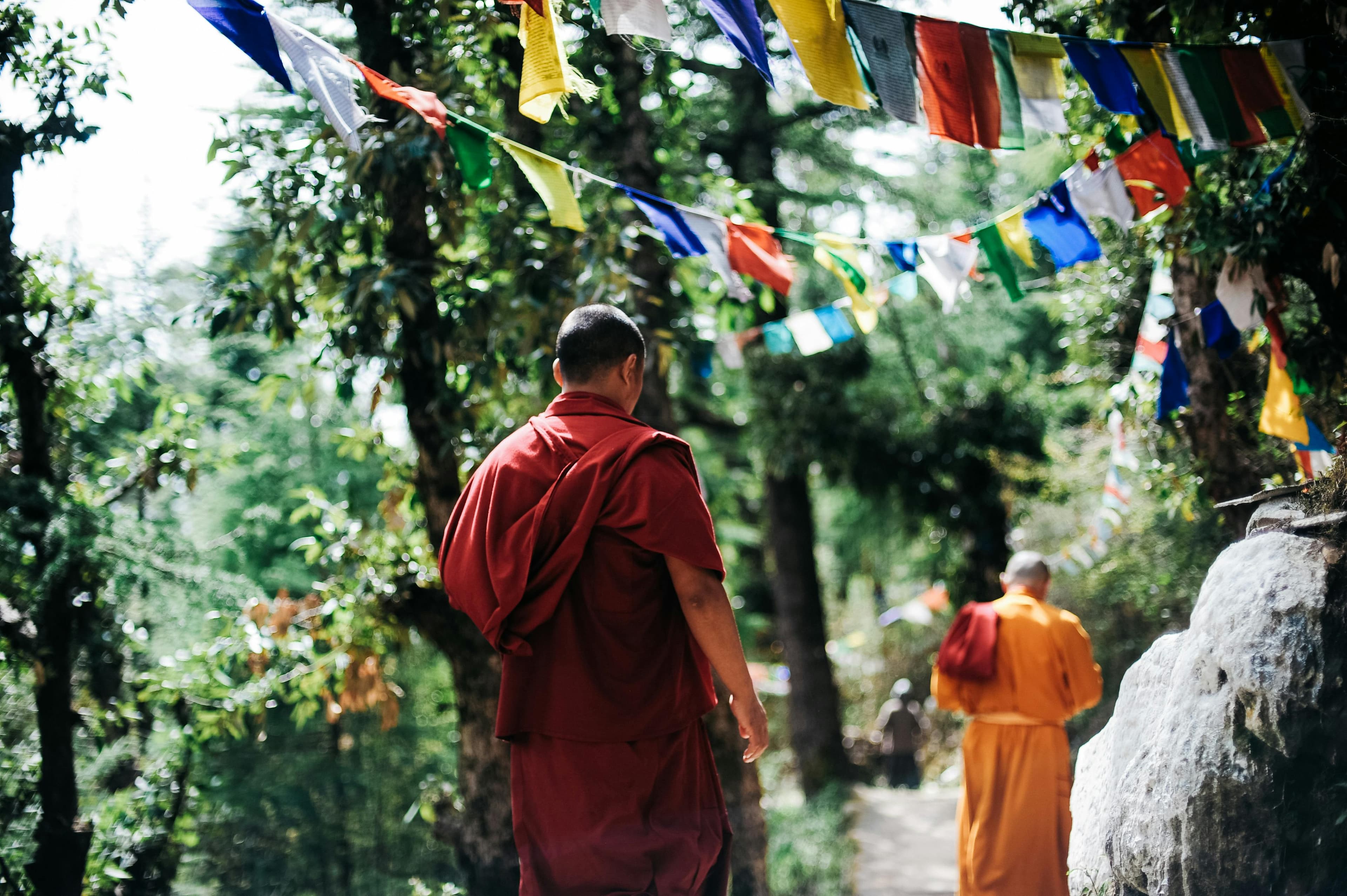
The earliest cave chambers appear to have served as charnel houses — places where bodies were defleshed and bones stored following sky burial practices. Later caves were adapted as meditation retreats and hermitages consistent with Bon and early Tibetan Buddhist practice. The discovery of intact mummified remains, manuscripts, and ritual objects in sealed chambers provided extraordinary windows into pre-Buddhist and early Buddhist culture in the western Himalayas.
The Sky Caves of Lo
In 2008-2010, National Geographic-supported expeditions led by archaeologist Mark Aldenderfer accessed previously unreachable caves near Lo Manthang using technical climbing. Inside, they found painted skulls, Iron Age skeletal remains, Sanskrit manuscripts written on palm leaves, silk textiles of Chinese origin, and thangka paintings predating the establishment of the Lo Kingdom. Carbon dating placed some remains at 2,000-3,500 years old — far older than previously suspected.
Planning this trip? 🎒
Don't stress about transport or guides. Sajilo offers verified cabs, luxury tourist buses, and expert guides across Nepal.
Lo Manthang and the Living Kingdom
Mustang was a semi-independent kingdom ruled by the Lo royal family until 2008, when Nepal's government formally abolished hereditary titles. The walled city of Lo Manthang, with its whitewashed buildings and ancient gompas, remains one of Asia's most intact medieval settlements. The 15th-century Thubchen Gompa and Jampa Lhakhang preserve spectacular murals comparable to the finest Tibetan religious art.
FAQ
Is Mustang open to tourists? Yes, but it requires a restricted area permit costing USD 500 for 10 days (a significant barrier that keeps visitor numbers low). Upper Mustang requires this permit; Lower Mustang does not.
Can visitors enter the caves? Most caves are inaccessible without climbing equipment. Some lower caves near the trails can be entered; local guides provide context and access information.
What is the best time to visit Mustang? The monsoon season (June-September) is ideal — Mustang lies in the rain shadow and stays dry while the rest of Nepal is wet. October-November and March-May are also excellent.