Culture
Boudhanath Stupa: History and Symbolism
Boudhanath is one of the largest Buddhist stupas in the world and the spiritual heart of Nepal's Tibetan Buddhist community. Its all-seeing eyes and mandala form encode centuries of cosmological meaning.
Rising 36 metres from a hillside northeast of Kathmandu, Boudhanath Stupa is a structure of extraordinary spiritual and symbolic weight recognised by UNESCO as part of the Kathmandu Valley World Heritage Site.
Overview
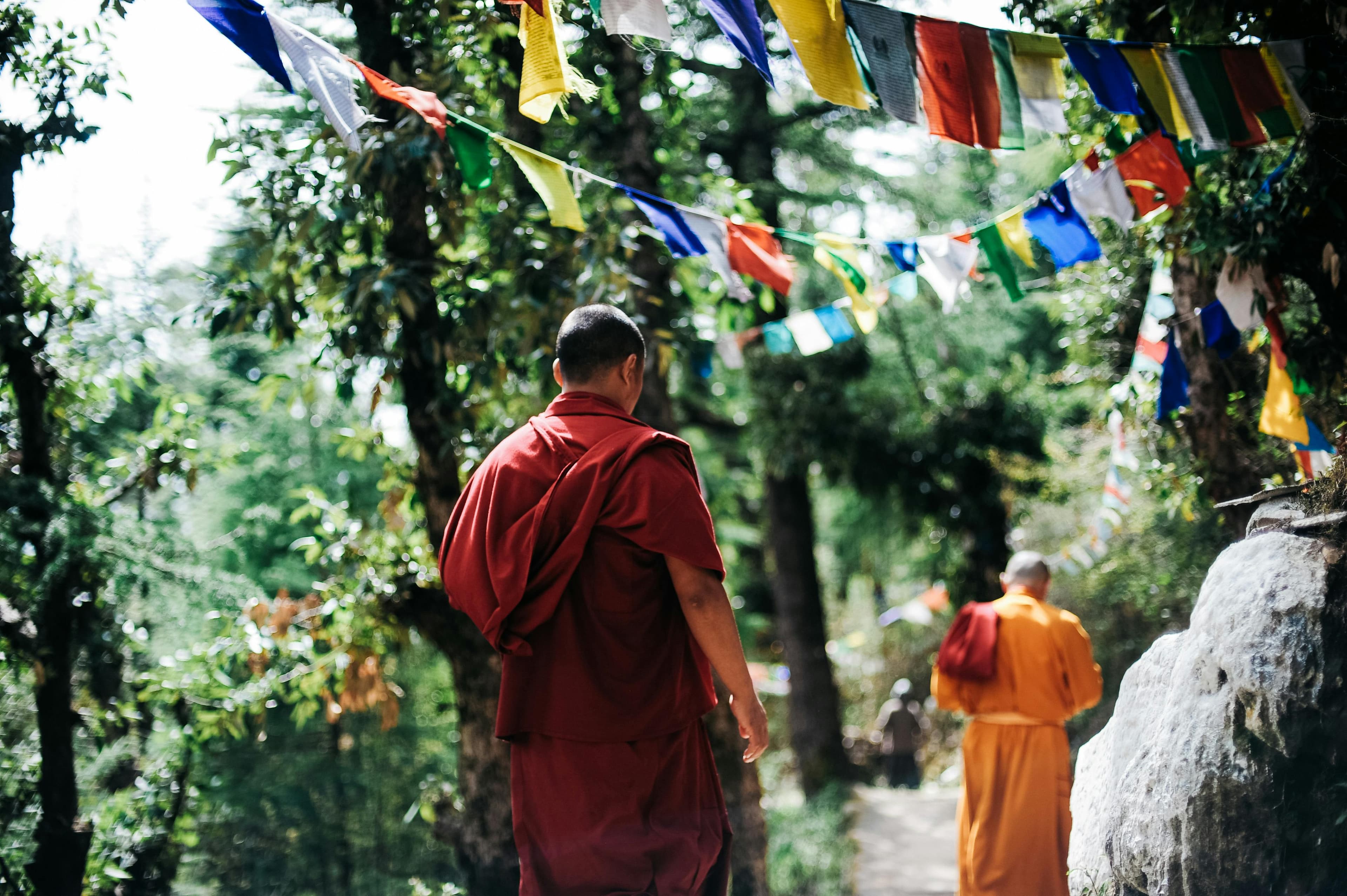
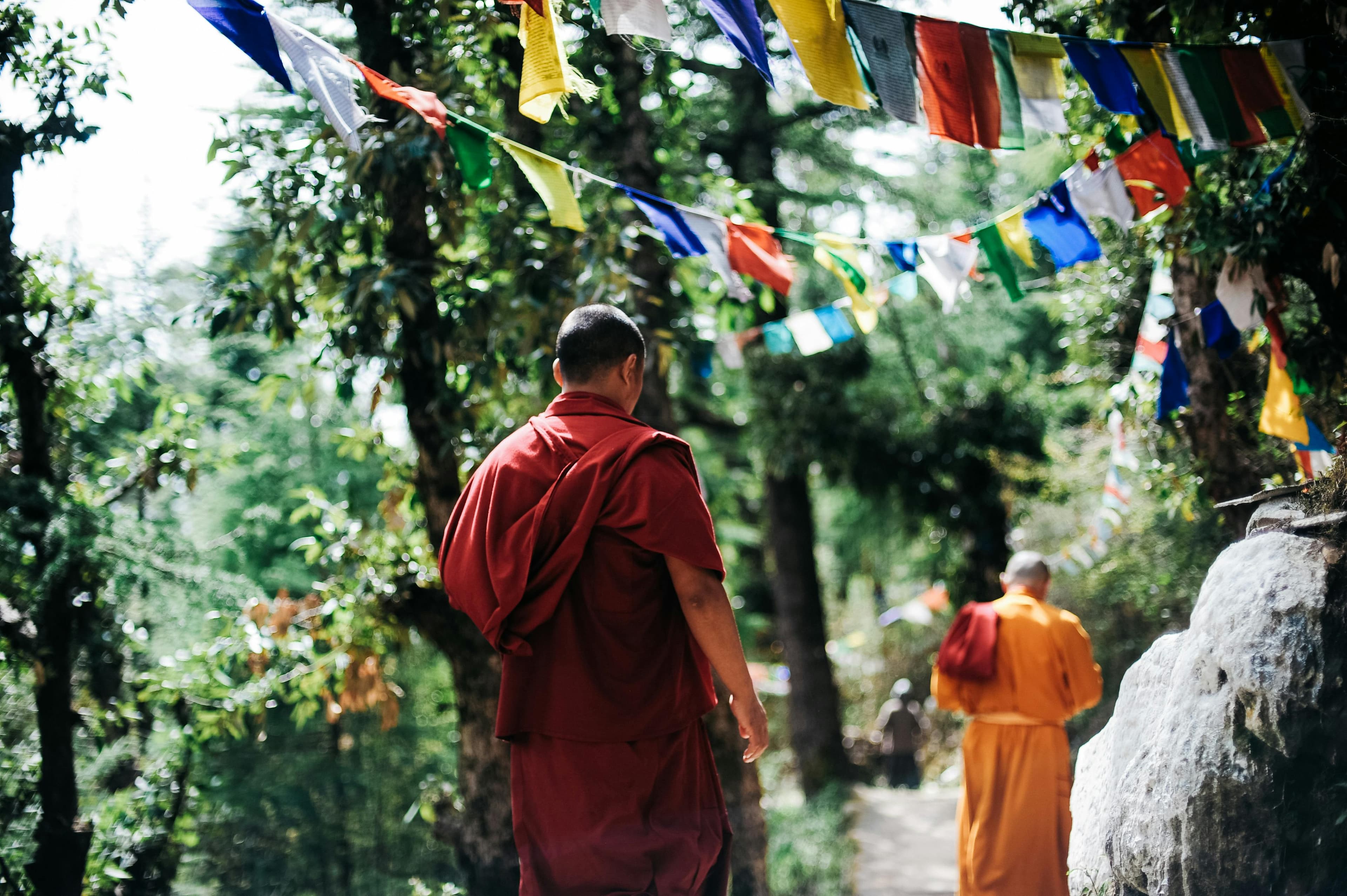
The founding of Boudhanath is attributed in Tibetan tradition to a poultry farmer named Jadzima who requested land from the king to build a stupa. Granted the amount a buffalo hide could encompass, she cut the hide into thin strips and encircled a vast area. Later traditions place construction in the 5th century CE, though most archaeologists date the current main structure to the 14th-15th century following the collapse of Nepal's early trade with Tibet. The stupa's architecture is a three-dimensional mandala: the circular base represents the earth element, the hemispheric dome represents water, the square tower represents fire, the thirteen rings represent the thirteen stages to enlightenment, and the parasol represents the air and ether elements. The all-seeing eyes painted on each face of the tower represent the wisdom of the Buddha looking in all four directions. The surrounding neighbourhood contains over 50 Tibetan Buddhist monasteries, making Boudhanath the largest Tibetan Buddhist community outside Tibet. After China's 1959 occupation of Tibet, thousands of Tibetan refugees settled around the stupa. Sajilo recommends early morning visits when the circumambulation (kora) is most active and photography conditions are best.
FAQ
How big is Boudhanath Stupa? The stupa mandala base is one of the largest in the world at approximately 100 metres in diameter. The total structure rises 36 metres.
Was Boudhanath damaged in 2015? Yes — the spire (harmika and rings) was damaged in the earthquake. Reconstruction was completed by November 2016 following traditional techniques.
Planning this trip? 🎒
Don't stress about transport or guides. Sajilo offers verified cabs, luxury tourist buses, and expert guides across Nepal.