Trekking
Annapurna Circuit Trek: Complete Guide for 2026
Plan the legendary Annapurna Circuit trek with this complete 2026 guide -- permits, itinerary, costs, difficulty level, and tips for an epic journey.
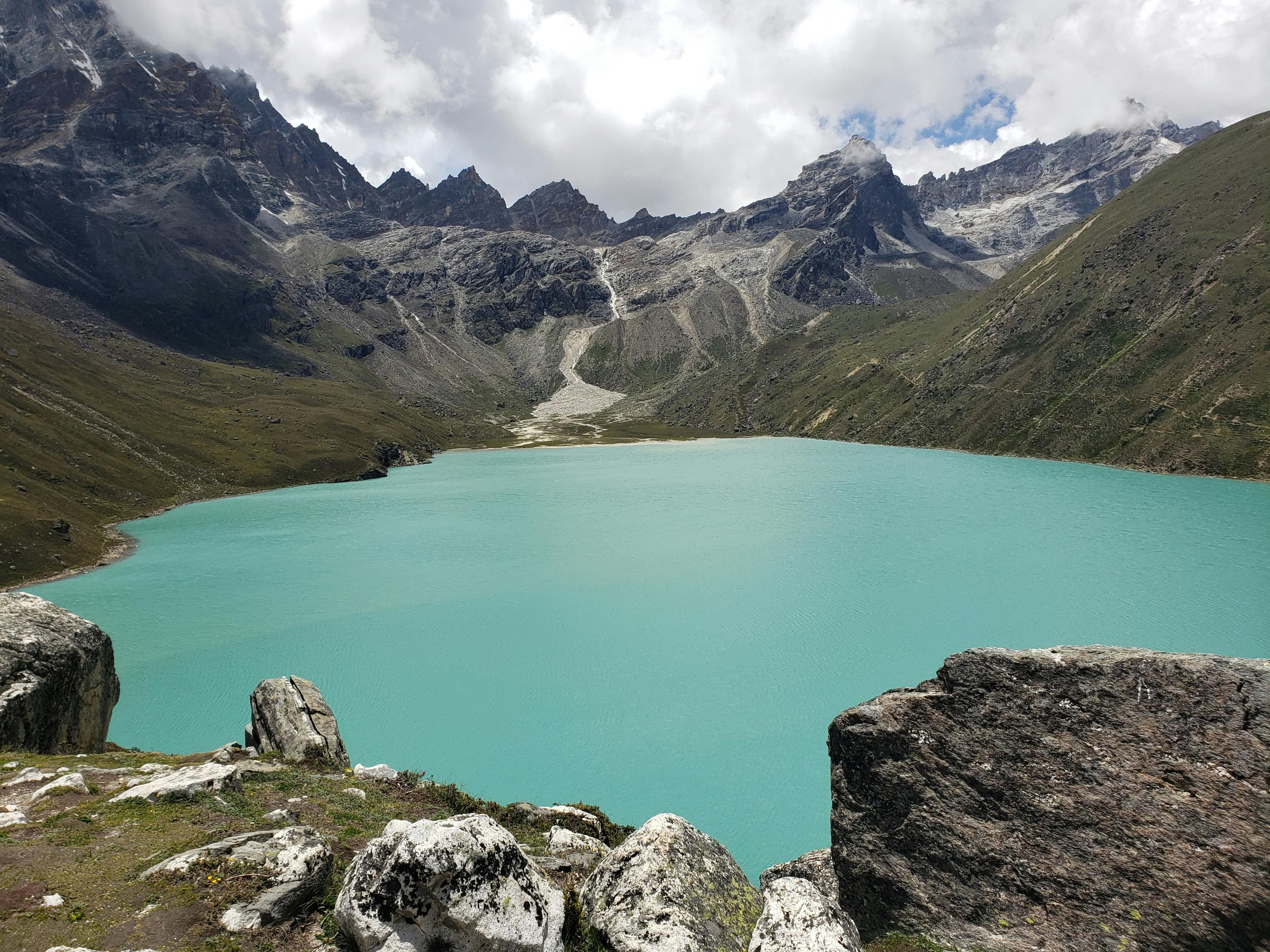
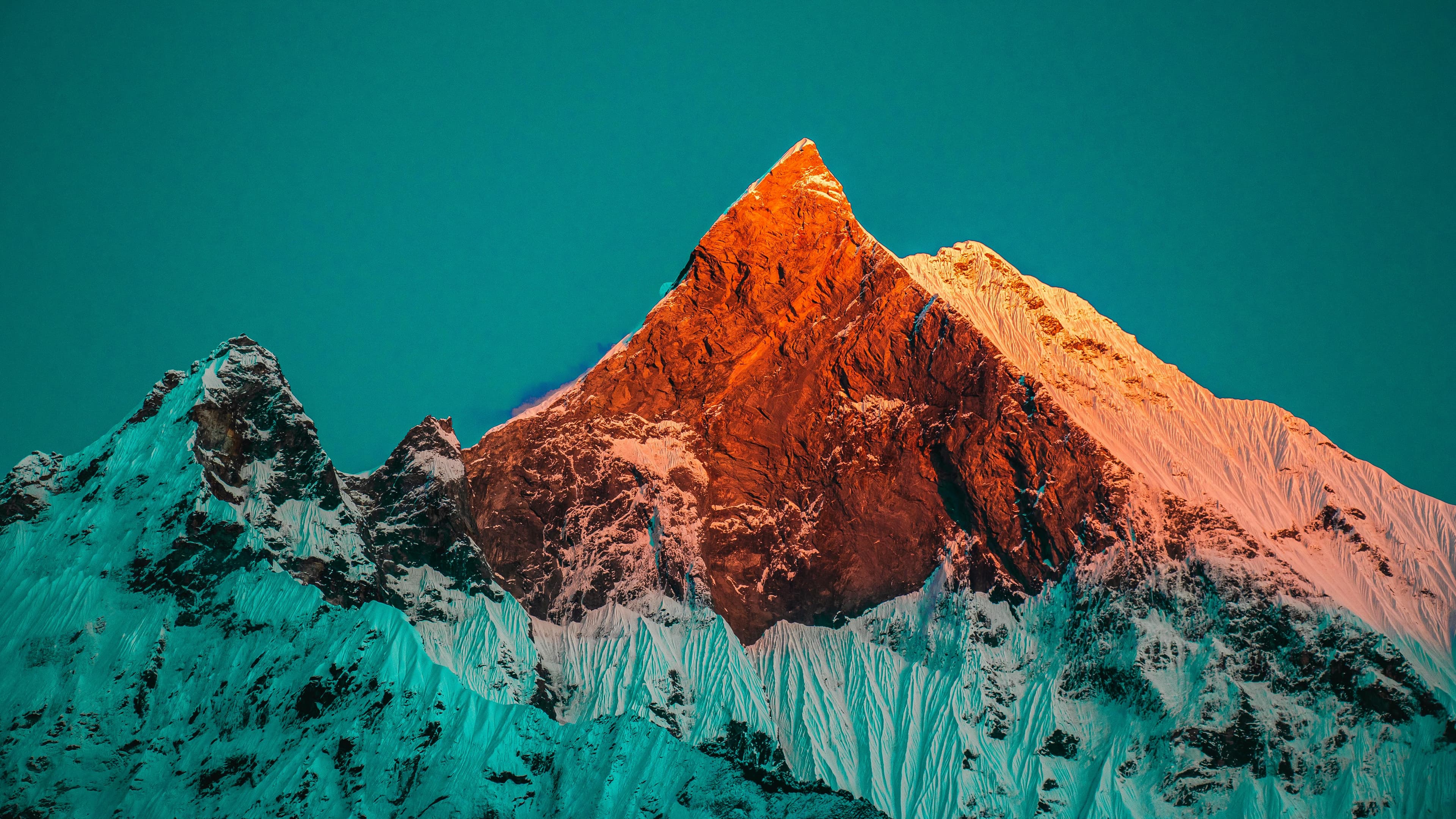
Ask seasoned trekkers to name the world's greatest long-distance walk, and many will say the Annapurna Circuit without hesitation. It's not just the scale -- 160–230km of trail looping around the Annapurna massif -- but the extraordinary variety that makes it legendary. In a single trek, you'll pass through subtropical river valleys, dense rhododendron forests, Tibetan plateau villages, and the brutal beauty of a 5,416m mountain pass.
Why the Annapurna Circuit Beats EBC for Many Trekkers
- More diverse landscapes -- subtropical to high alpine to Tibetan plateau in a single route
- Lower costs -- permits, tea houses, and food are all cheaper than Khumbu
- Fewer crowds -- EBC has become extremely busy; the Circuit remains comparatively uncrowded
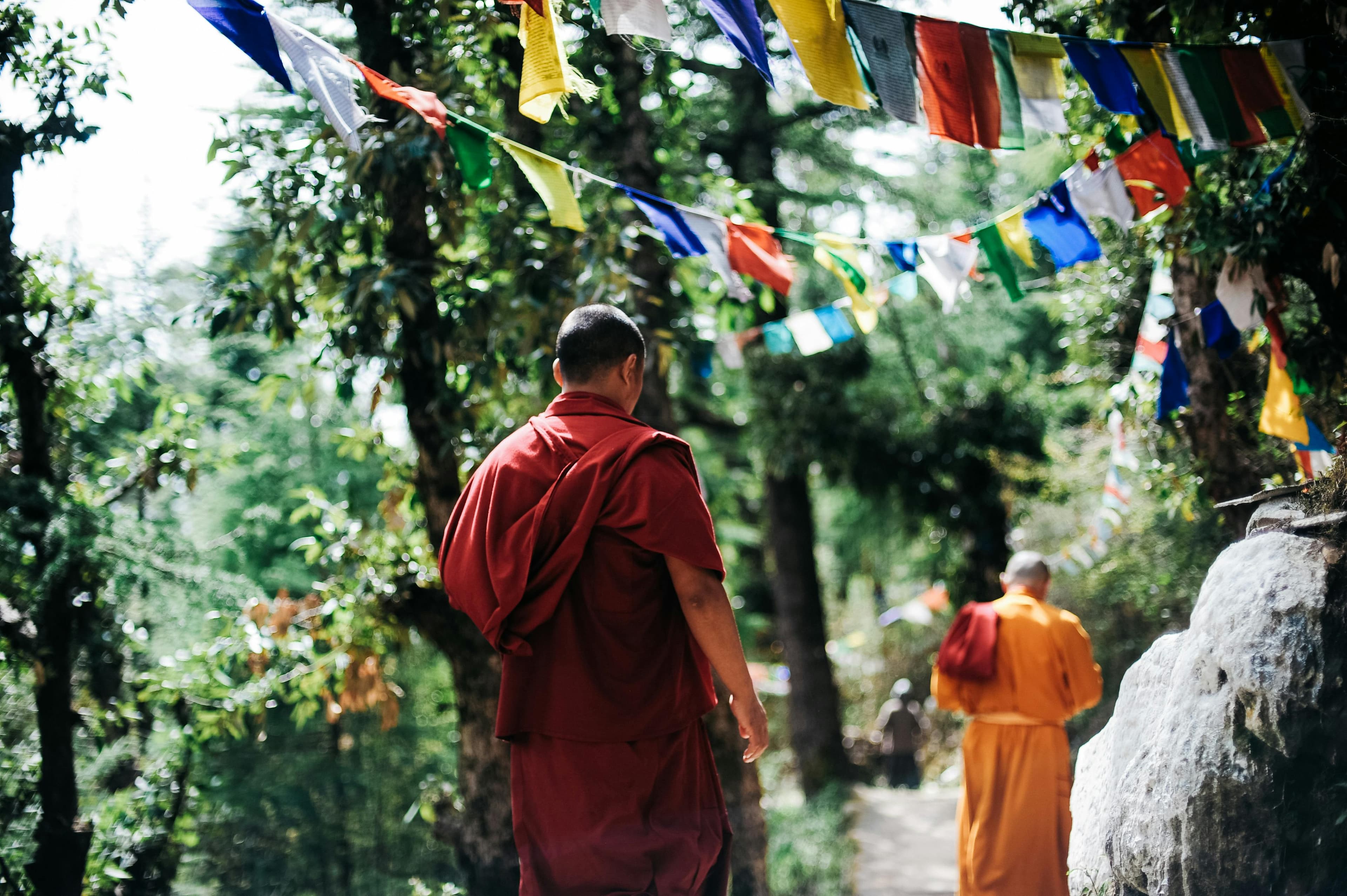
- More cultural depth -- the route passes through Hindu hill villages, Gurung communities, and Tibetan Buddhist settlements
- The Thorong La experience -- crossing a 5,416m pass on foot is its own profound achievement
Route Overview
The classic circuit starts in Besisahar and traverses the Annapurna range clockwise, exiting via Jomsom and Pokhara:
- Full classic circuit: 230km, 18–21 days
- Standard modern circuit: 160–180km, 14–17 days
- Shortened Manang–Jomsom route: 100–130km, 10–14 days
Note: jeep roads have replaced trekking trail on several lower sections. Stay on the original trails (often above or parallel to the road) for the full experience.
Best Seasons
October–November: Clear, Thorong La is open, views of Annapurna I and Dhaulagiri are exceptional.
Planning this trip? 🎒
Don't stress about transport or guides. Sajilo offers verified cabs, luxury tourist buses, and expert guides across Nepal.
March–May: Rhododendron forests on the lower sections are extraordinary in March and April.
December–February: Thorong La is typically closed by heavy snow -- the full circuit is not possible.
June–September (Monsoon): The western half (Jomsom, Mustang) is in the rain shadow and can be trekked. The eastern sections are wet.
Required Permits
- TIMS Card: NPR 2,000 per person. Obtained in Kathmandu at the Nepal Tourism Board.
- ACAP (Annapurna Conservation Area Permit): NPR 3,000 per person. Obtained in Kathmandu or Pokhara.
Standard 14-Day Itinerary
| Day | Route | Altitude |
|---|---|---|
| 1 | Kathmandu to Besisahar by bus | 760m |
| 2 | Besisahar to Chame | 2,710m |
| 3 | Chame to Pisang | 3,200m |
| 4 | Pisang to Manang | 3,519m |
| 5 | Acclimatisation day in Manang | 3,519m |
| 6 | Manang to Yak Kharka | 4,018m |
| 7 | Yak Kharka to Thorong High Camp | 4,925m |
| 8 | Cross Thorong La Pass, descend to Muktinath | 5,416m / 3,760m |
| 9 | Muktinath to Marpha | 2,670m |
| 10 | Marpha to Kalopani | 2,530m |
| 11 | Kalopani to Tatopani | 1,190m |
| 12 | Tatopani to Ghorepani | 2,860m |
| 13 | Poon Hill sunrise, then descend to Nayapul | 1,070m |
| 14 | Nayapul to Pokhara by bus or cab | 827m |
Costs Breakdown
Budget trekker (NPR 100,000–180,000 for 14 days):
- Bus Kathmandu to Besisahar: NPR 600–1,200
- Tea house accommodation: NPR 300–700 per night
- Meals: NPR 600–1,200 per day
- Permits: NPR 5,000
The Annapurna Circuit is notably cheaper than EBC -- the Khumbu region's remoteness inflates prices significantly.
Getting to the Trailhead
Kathmandu to Besisahar: Regular tourist buses depart from Kathmandu's New Bus Park (NPR 600–1,200, 7–8 hours). Before you leave Kathmandu, arrange your pickup with Sajilo -- early morning departures to the bus park are far easier with a booked cab. On your return to Pokhara at the end of the trek, Sajilo's cab service connects you from Nayapul to Lakeside Pokhara in 45 minutes.
Unmissable Highlights
Thorong La Sunrise: Starting the pass crossing in darkness and reaching the prayer-flag-festooned summit at first light is one of the great trekking experiences in Asia.
Muktinath Temple: A sacred pilgrimage site for both Hindus and Buddhists, at 3,760m in the arid Mustang foothills -- one of Nepal's most unique religious sites.
Marpha Apple Orchards: Nepal's apple capital. In autumn, fresh apple juice, apple brandy, and apple pie are everywhere.
Ghorepani and Poon Hill: The final section through rhododendron forest to Poon Hill (3,210m) offers some of the best panoramic Annapurna views in Nepal, particularly at sunrise.
Frequently Asked Questions
Is the Annapurna Circuit harder than EBC?
They're comparable in overall difficulty. Thorong La (5,416m) is slightly higher than EBC (5,364m), and the full circuit is longer. However, the Circuit's more gradual acclimatisation profile arguably makes it safer for most trekkers.
Can I do the Annapurna Circuit without a guide?
Yes -- the Circuit is well-marked and one of the most independent-trekker-friendly routes in Nepal. A guide adds value for safety on Thorong La in poor weather and for cultural insight throughout.
How hard is Thorong La Pass?
It's a long, demanding day -- 1,600m ascent followed by a steep 1,600m descent, typically covering 16–18km over 8–10 hours. Most fit trekkers complete it successfully if properly acclimatised. Start by 4am at the latest.
What happens if Thorong La is closed?
In heavy snowfall, the pass is temporarily closed -- usually for 1–3 days. Wait it out at Thorong High Camp or turn back to Manang. This is rare in October–November but possible in winter and early spring.