Trekking
Annapurna I: The Most Dangerous 8000m Peak
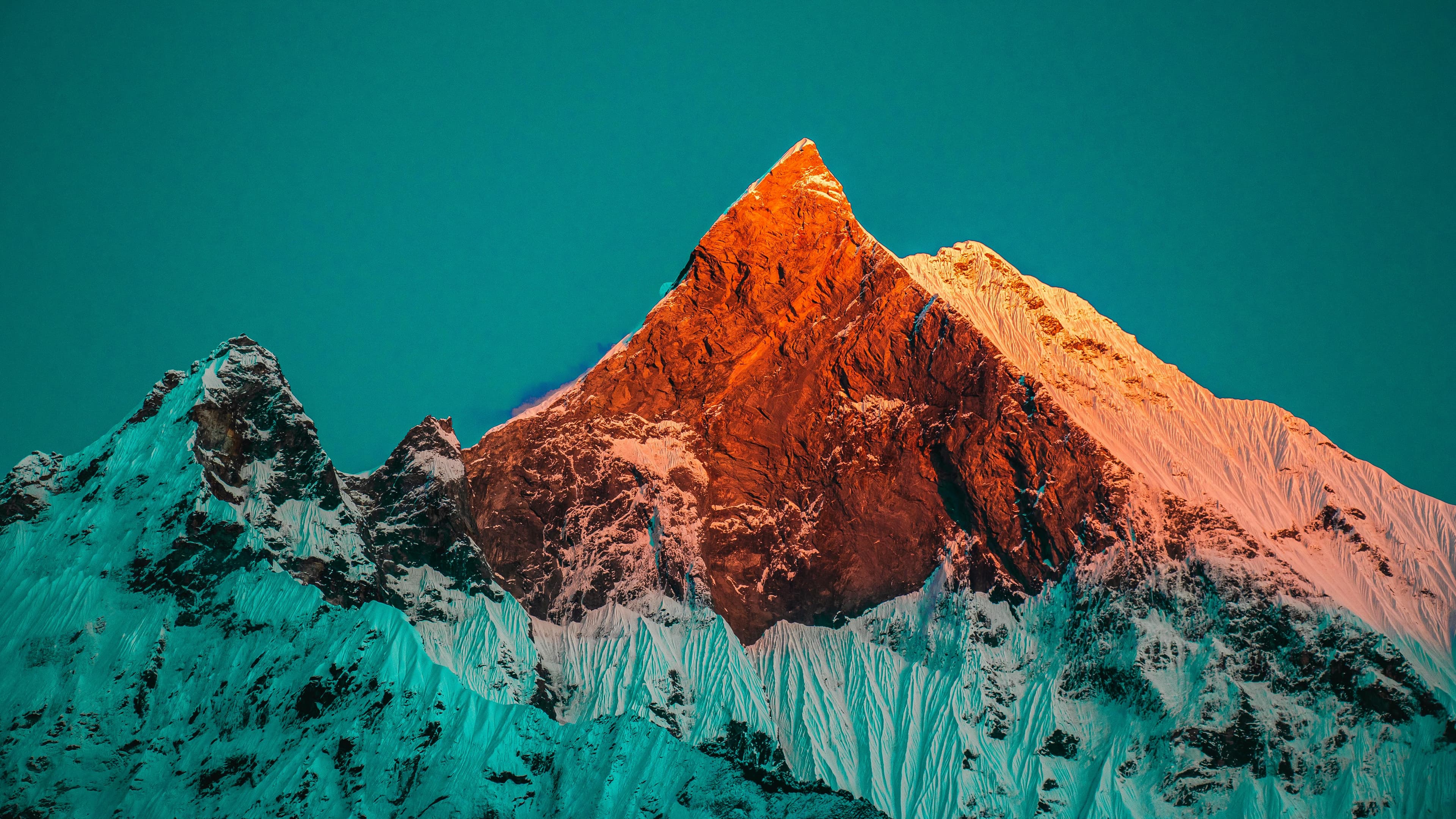
Annapurna I was the first eight-thousander ever climbed, in 1950. It also holds the highest fatality rate of any mountain over 8,000 metres — a combination that makes it both legendary and sobering.
When Maurice Herzog and Louis Lachenal reached the summit of Annapurna on 3 June 1950, they completed the first ascent of any mountain over 8,000 metres. The descent nearly killed them both.
Overview
Herzog's book about the expedition, simply titled Annapurna, became one of the best-selling mountaineering books ever written, introducing the world to Himalayan climbing. Both men suffered severe frostbite — Herzog lost all his fingers and toes. The mountain's danger is structural. Annapurna's south face is one of the highest and most avalanche-prone vertical walls in the world. The standard north face route passes beneath seracs and through avalanche corridors that can be triggered without warning. The fatality-to-summit ratio historically hovered around 31%, meaning roughly one climber died for every three who summited. Recent seasons have seen improvement as route documentation improves and safety standards rise, but Annapurna remains genuinely dangerous. In 2014, an early monsoon storm triggered avalanches that killed 43 trekkers and guides on the Annapurna Circuit in a single day — one of the worst Himalayan disasters outside summit attempts. Despite the risks, the Annapurna region's trekking circuits — Annapurna Base Camp and the full Annapurna Circuit — are among Nepal's most popular routes.
FAQ
What is the Annapurna fatality rate? Historically around 31% fatality-to-summit ratio, though improvements in safety and forecasting have reduced this in recent seasons.
Is the Annapurna Circuit trek dangerous? The circuit trek itself is a non-technical route with standard mountain weather risks. The 2014 tragedy involved an exceptional early blizzard.
Planning this trip? 🎒
Don't stress about transport or guides. Sajilo offers verified cabs, luxury tourist buses, and expert guides across Nepal.